PMDD Treatment Guidelines
Discover the effective PMDD treatment for you, from medications to holistic options, to manage symptoms and improve quality of life.
Introduction to PMDD Treatment
Premenstrual Dysphoric Disorder (PMDD) is a severe form of PMS, marked by intense emotional and physical symptoms that impact daily life in the luteal phase, just before menstruation1. With approximately 3% of menstruating women affected by PMDD, finding effective treatments is essential for improving both mental and physical well-being. Treatments for PMDD range from conventional medications like SSRIs to holistic approaches such as dietary changes and exercise, which are often combined for optimal results.
Your Guide to PMDD Treatment: From Medications to Lifestyle Changes
This article will introduce the most proven treatment options for managing PMDD, numbered for clarity and ease of reference. These treatments will be separated in 4 categories:
- Medications
- Therapies and Counseling
- Lifestyle and holistic treatments
- Alternative Treatments and Self-Care
Medications in PMDD Treatment
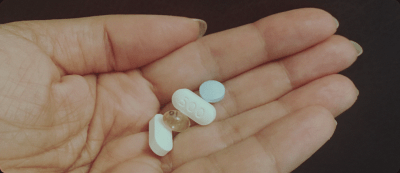
Medications often are as the first line of treatment for PMDD, especially for severe and mood-related symptoms. The most studied medicines include:
- Selective Serotonin Reuptake Inhibitors (SSRIs) 2: SSRIs, like sertraline, paroxetine, and fluoxetine, are highly effective. Experts and The American College of Obstetricians and Gynecologists (ACOG) recommend them as the first treatment choice for PMDD mood-related symptoms3.
- Combined Oral Contraceptives (COCs): Instead of SSRIs, if the patient wish pregnancy control, doctors might choose birth control pills along with some lifestyle changes recommendations (like exercising, for example). COCs help treat premenstrual disorders by stopping ovulation and reducing hormone fluctuations that trigger symptoms. However, they may not be so effective for mood symptoms, especially premenstrual depression3.
- Gonadotropin-Releasing Hormone (GnRH) Agonists: GnRH agonists stop ovulation, removing the premenstrual phase and its symptoms. Even though they are effective in some severe cases, they should be reserved only for the cases in which other treatments have failed. That’s because of their undesirable side effects like hot flashes and bone density loss. Additionally, they should be prescribed to adults exclusively, never to teens because of the limited data on its safety and effectiveness in this group3.
Therapies and Counseling
Cognitive Behavioral Therapy (CBT)
CBT, a form of psychotherapy, targets mood and behavioral issues by helping patients modify their thought patterns around PMDD. CBT helps reshape negative thinking and teaches relaxation, problem-solving, and stress management skills3. It’s the most researched psychosocial treatment for premenstrual disorders and is recommended in expert guidelines for managing these disorders. Research supports CBT for reducing anxiety and improving coping mechanisms3. Online CBT programs have also shown promising results, providing symptom relief that remains stable even six months post-treatment4.
Mindfulness-based techniques
Mindfulness practices, like meditation and yoga, can reduce stress and improve emotional stability. Studies suggest that these practices may enhance quality of life by decreasing symptom perception, although they may be more beneficial when used alongside other treatments5.
Lifestyle Changes
Lifestyle changes are often recommended for managing PMDD symptoms. Especially for managing mild to moderate premenstrual symptoms.
Exercise
Exercising is associated with improvements in premenstrual symptoms, likely by affecting hormones and stress levels5. Managing PMDD can comprehend several different approaches at the same time, with exercise being a key non-drug therapy5, recommended by ACOG guidelines3. The important thing is choosing activities you enjoy, aiming for 150–300 minutes of moderate exercise (brisk walking, easy biking, e.g.) or 75–150 minutes of vigorous activity each week (running or jogging, swimming laps, heavy weightlifting, e.g.)3.
Dietary Adjustments
- Teaching patients about premenstrual symptoms and self-care strategies (like exercise and diet) can help them understand what they’re experiencing and provide reassurance. A review found that educational efforts, including dietary advice, did not significantly reduce overall premenstrual symptoms in adults and teens7.
- The ACOG guidelines recommend that calcium supplementation of 1,000–1,200 mg per day. They might help adults manage premenstrual symptoms, even though the evidence is still limited. Calcium could reduce symptoms like negative mood and physical discomfort, but the quality of the evidence available is still low. However, the decision about the possible calcium supplementation is not standard, there must be always a discussion between doctors and patients3.
- For adolescents, adequate calcium intake from the diet may help alleviate physical premenstrual symptoms, but more research is needed in this population.
- However, it is important to mention that there is no robust studies linking improvements in PMDD symptoms to dietary habits. It is indeed likely that the benefits outweigh the harms because of the benefits of a healthy diet to general health. However, there is still no clear recommendations on dietary advices to PMDD coming from experts and institutions3, 6.
Alternative and Holistic PMDD Treatments
For individuals seeking complementary or alternative PMDD treatments, the following options have shown potential benefits:
- Acupuncture: Acupuncture has shown effectiveness in managing both the physical and emotional symptoms of PMDD, though research is ongoing. ACOG provides a conditional recommendation for its use, suggesting it may offer additional relief when combined with other therapies3.
- Herbal Supplements: Herbs like Vitex agnus-castus (chasteberry) have shown promise in reducing PMDD symptoms as an alternative. While studies are still limited, chasteberry is generally considered safe and may be an option for those who prefer alternative treatments8.
Conclusion: Finding the Right PMDD Treatment
Managing PMDD often requires a multimodal approach tailored to individual needs, including lifestyle changes, therapy, and medications. Starting to track your symptoms is your first step to a PMDD medical diagnosis. Use Belle as your PMDD tracker for at least 2 months and take the report to your healthcare provider and explore the treatment options to determine the best combination for you.
References
- American Psychiatric Association. (2013). Diagnostic and Statistical Manual of Mental Disorders (5th ed.). Arlington, VA
- Jespersen C, Lauritsen MP, Frokjaer VG, Schroll JB. Selective serotonin reuptake inhibitors for premenstrual syndrome and premenstrual dysphoric disorder. Cochrane Database of Systematic Reviews 2024, Issue 8. Art. No.: CD001396. DOI: 10.1002/14651858.CD001396.pub4. Accessed 30 October 2024.
- Management of Premenstrual Disorders: ACOG Clinical Practice Guideline No. 7. Obstet Gynecol. 2023 Dec 1;142(6):1516-1533. doi: 10.1097/AOG.0000000000005426. PMID: 37973069.
- Weise C, Kaiser G, Janda C, Kues JN, Andersson G, Strahler J, Kleinstäuber M. Internet-Based Cognitive-Behavioural Intervention for Women with Premenstrual Dysphoric Disorder: A Randomized Controlled Trial. Psychother Psychosom. 2019;88(1):16-29. doi: 10.1159/000496237. Epub 2019 Feb 19. PMID: 30783069.
- Lustyk MK, Gerrish WG, Shaver S, Keys SL. Cognitive-behavioral therapy for premenstrual syndrome and premenstrual dysphoric disorder: a systematic review. Arch Womens Ment Health. 2009 Apr;12(2):85-96. doi: 10.1007/s00737-009-0052-y. Epub 2009 Feb 27. PMID: 19247573.
- Liguori F, Saraiello E, Calella P. Premenstrual Syndrome and Premenstrual Dysphoric Disorder’s Impact on Quality of Life, and the Role of Physical Activity. Medicina (Kaunas). 2023 Nov 20;59(11):2044. doi: 10.3390/medicina59112044. PMID: 38004093; PMCID: PMC10673441.
- Han J, Cha Y, Kim S. Effect of psychosocial interventions on the severity of premenstrual syndrome: a meta-analysis. J Psychosomatic Obstet Gynecol 2019;40:176–84. doi: 10. 1080/0167482X.2018.1480606
- Cerqueira RO, Frey BN, Leclerc E, Brietzke E. Vitex agnus castus for premenstrual syndrome and premenstrual dysphoric disorder: a systematic review. Arch Womens Ment Health. 2017 Dec;20(6):713-719. doi: 10.1007/s00737-017-0791-0. Epub 2017 Oct 23. PMID: 29063202.