PMDD Symptoms Explained
Learn about PMDD symptoms, their emotional, behavioral, and physical impacts on daily life, and explore effective ways to manage them.
Introduction to PMDD Symptoms
Premenstrual Dysphoric Disorder (PMDD) is a severe form of premenstrual syndrome (PMS) that impacts around 2% of women in their reproductive years1. It presents with emotional, behavioral, and physical symptoms that begin in the final week before menstruation, and typically improve after the period starts. These symptoms can significantly interfere with daily activities, work, relationships, and overall well-being.
Key Symptoms of PMDD
PMDD symptoms can be divided in 3 categories: emotional, behavioral, and physical symptoms. According to the Diagnostic and Statistical Manual of Mental Disorders (DSM-5)1, at least five symptoms must be present for a diagnosis, and one of them has to be an emotional one. Here is an explanation of how each symptom usually looks like:
Emotional Symptoms
- Mood swings: Sudden mood swings, like suddenly feeling of sad or tearful, or crying without clear reasons are often present in women with PMDD. It’s common to feel overly sensitive to rejection. Feeling tearful and sensitive to rejection are among the most common and severe symptoms2. Among a mild, moderate, and severe classification, more than 70% answered severe2.
- Irritability or Anger: It’s common to feel impatient, easily irritated, furious. This also commonly leads to problems in the relationships, like conflicts and arguments.
- Anxiety and Tension: Anxiety and feeling tense, overly alert, on edge or “keyed up” are frequent symptoms. Everyday tasks can feel overwhelming, even if they are usually manageable. Anxiety often comes with physical sensations like tightness in the chest, trembling, or a racing heart.
- Depressed Mood and Hopelessness: PMDD can cause intense deep feelings of sadness, hopelessness, depression, harsh self-criticism, or self-blame. They may be similar to major depression, but they follow a pattern tied to the menstrual cycle. For some women, these feelings of worthlessness or even suicidal thoughts during severe PMDD phases. These symptoms are also among the most common and most severe according to PMDD patients2. Among a mild, moderate, and severe classification, more than 70% answered severe2.
Behavioral Symptoms
- Decreased Interest in Activities: PMDD can lead to a noticeable drop in interest in activities that were once enjoyable, such as hobbies, work, social events, or being with friends. This can make women feel disconnected from their usual lives.
- Difficulty Concentrating: Difficulty focusing is another common issue, particularly in the days before menstruation. Women may struggle to complete tasks, forget details, or have trouble staying focused during conversations or meetings. This difficulty can lower productivity and create misunderstandings in both work and personal settings, adding stress to already challenging days.
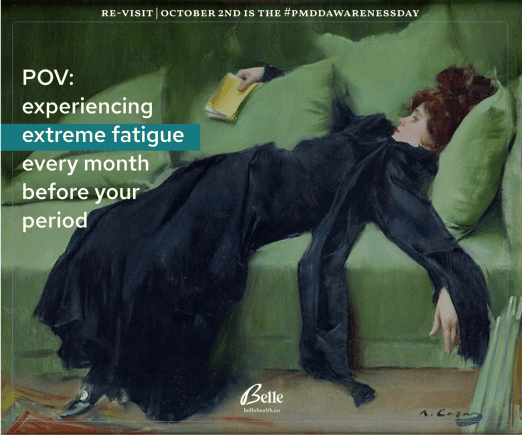
- Low Energy and Fatigue: PMDD often leads to extreme fatigue or low energy, which can make it hard to stick to daily routines. Simple tasks can feel exhausting, unusually tiring. Women may find it difficult to get out of bed, exercise, or handle chores. This ongoing fatigue can also impact work performance and be worsened by poor sleep, creating a persistent cycle of tiredness.
Physical Symptoms
- Changes in Sleep Patterns Sleep problems, such as insomnia or excessive sleepiness, are common with PMDD. Insomnia means having trouble falling or staying asleep, while excessive sleepiness can lead to sleeping long hours but still feeling tired. These disturbances make other symptoms worse and impact day-to-day functioning, because poor sleep can make it harder to focus and handle stress.
- Changes in Appetite: PMDD can lead to increased hunger or appetite that may lead to overeating, compulsive episodes or to cravings for specific foods (commonly sweets or carbohydrates). These all often lead to guilt or weight gain.
- Breast Tenderness and Bloating: Physical symptoms like tender or swollen breasts, muscle or joint pain, or overall feeling bloating are also part of PMDD. Bloating may make movement uncomfortable, and pain in joints or muscles can reduce the likelihood of engaging in physical activity, which could help alleviate some symptoms.
The Impact of PMDD
- PMDD symptoms can cause significant distress and disrupt everyday life. Many women experience a decline in productivity in your work, increased conflict in relationships, and may even avoid social interactions altogether. From the most common impact in PMDD warriors lives are the impact on their romantic or intimate relationships2.
- It is important to understand that these symptoms are not just “part of being a woman,” but a clinical condition that can benefit from medical support and lifestyle changes. They aren’t simply a worsening of symptoms from another disorder, though they may exist alongside other conditions. Addressing PMDD often requires a multidisciplinary approach, combining lifestyle adjustments, medical intervention, and supportive therapies to manage the symptoms and improve quality of life.
Your symptoms matter. Read our community’s stories and journeys to a PMDD diagnosis.
Managing PMDD
- Medical Treatment: In cases where symptoms are severe, medical treatments like antidepressants, or birth control pills, may be prescribed. Serotonin reuptake inhibitors (SSRIs) have shown particular promise in managing mood symptoms.
- Lifestyle Adjustments: Simple lifestyle changes can help manage symptoms. Regular exercise, a balanced diet, and stress management practices such as yoga or meditation have all shown potential in reducing PMDD severity.
- Tracking Symptoms: Accurate symptom tracking is crucial for diagnosis and treatment. Tools like the Daily Record of Severity of Problems (DRSP) or other menstrual tracking apps can help identify patterns and assist in developing a personalized treatment plan.
Conclusion
PMDD is a serious condition that affects many women during their reproductive years. Recognizing its symptoms and seeking appropriate treatment can help mitigate its impact and improve quality of life. If you believe you may be experiencing PMDD, consulting a healthcare professional is a critical first step toward getting the support you need. The journey to managing PMDD is often a combination of medical care, lifestyle adjustments, and self-awareness. With the right support, it is possible to significantly reduce the symptoms and lead a fulfilling life.
References
-
- American Psychiatric Association. (2013). Diagnostic and statistical manual of mental disorders (5th ed.). https://doi.org/10.1176/appi.books.9780890425596
- Funnell, E.L., Martin-Key, N.A., Spadaro, B. et al. Help-seeking behaviours and experiences for mental health symptoms related to the menstrual cycle: a UK-wide exploratory survey. npj Womens Health 2, 2 (2024). https://doi.org/10.1038/s44294-023-00004-w