PMS and PMDD Food Cravings: Why They Happen and How to Manage Them
"I experience these! My pms food cravings are bad enough that I cannot stand the taste of anything else except the food I crave"
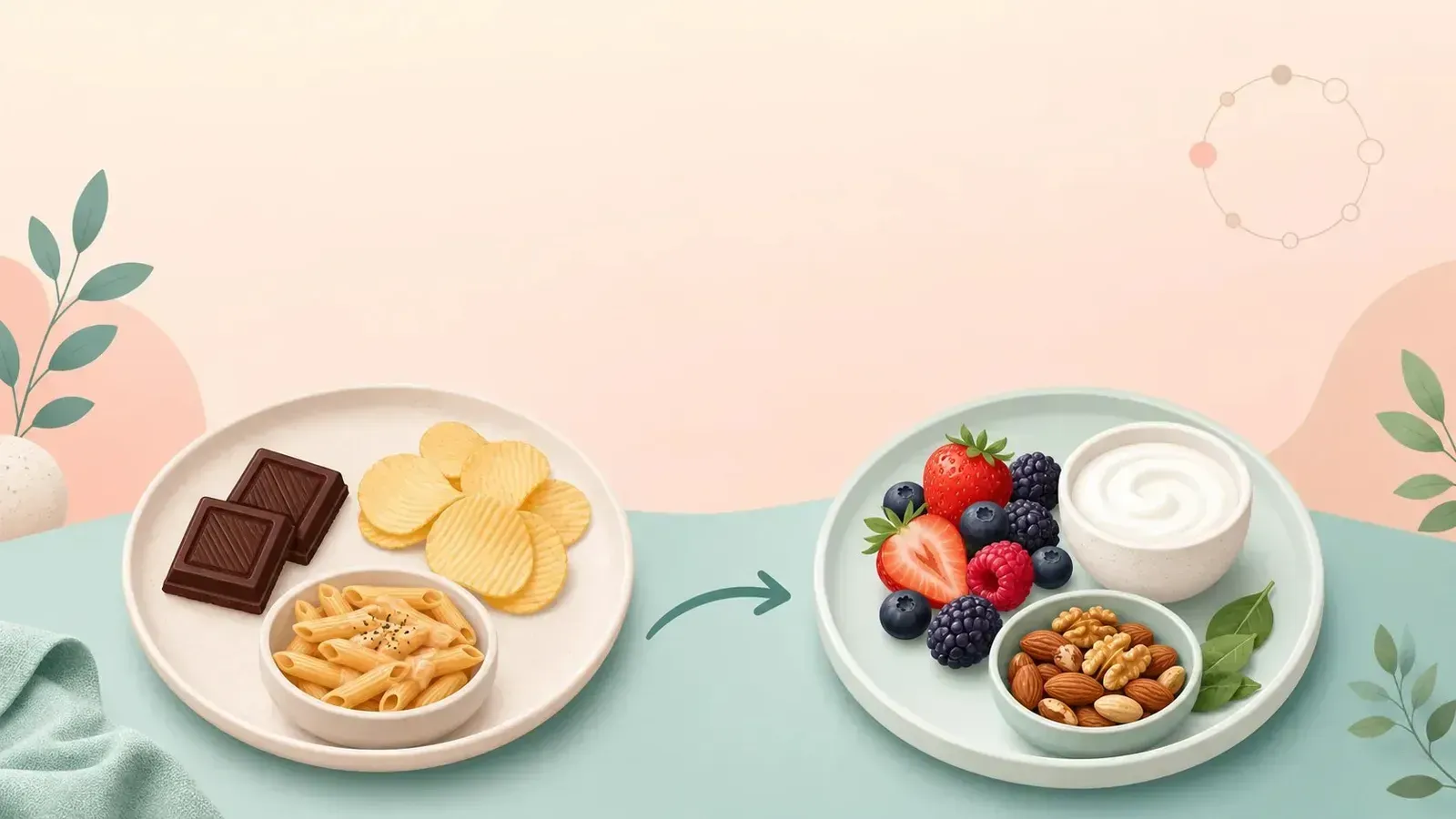
Premenstrual Syndrome (PMS) and Premenstrual Dysphoric Disorder (PMDD) can be challenging experiences for many people, often accompanied by intense food cravings.
These cravings can leave you feeling out of control or frustrated. But you’re not alone—many individuals who menstruate share this experience.
This article dives into the science behind PMS and PMDD food cravings, why they happen, how to manage them, and even includes some insights from the community.
What Are PMS and PMDD?
Premenstrual Syndrome (PMS) refers to a set of symptoms that occur 1-2 weeks before menstruation, including mood swings, bloating, fatigue, and food cravings.
PMDD, on the other hand, is a more severe form of PMS that includes emotional and physical symptoms that can be disruptive to daily life.
The Science Behind PMS and PMDD Food Cravings
1. Hormonal Changes:
Hormones, particularly estrogen and progesterone, fluctuate throughout the menstrual cycle. Research suggests that these hormonal shifts can impact serotonin levels in the brain, leading to mood changes and cravings, especially for carbohydrates and sugary foods.
This happens because carbohydrates boost serotonin levels, temporarily improving mood.
2. Blood Sugar Fluctuations:
During the luteal phase (the phase before your period begins), your body requires more calories, leading to increased appetite and cravings. This period is also marked by fluctuations in blood sugar, which can make your body crave quick energy sources like sweets or refined carbohydrates.
3. Stress and Emotional Eating:
Living with PMS or PMDD can be emotionally taxing, and many people turn to food as a form of comfort. Cortisol, the stress hormone, may increase during this time, and sugary or fatty foods can temporarily lower cortisol levels, offering brief relief.
Common Food Cravings During PMS and PMDD
Sweets: Chocolate, candies, and sugary snacks
Carbohydrates: Bread, pasta, chips, and pastries
Salty Foods: Pretzels, fries, and chips
Fatty Foods: Pizza, burgers, and creamy dishes
These cravings are not just “in your head”—they’re a response to hormonal and physiological changes happening in your body.
Tips to Manage PMS and PMDD Food Cravings
1. Opt for Healthier Alternatives:
Cravings don’t mean you have to deny yourself. Instead, try healthier options that satisfy similar cravings:
Sweet cravings: Opt for fruit, dark chocolate, or yogurt with honey.
Carb cravings: Choose whole grain bread, brown rice, or oatmeal.
Salty cravings: Try nuts, seeds, or popcorn seasoned with herbs.
2. Include Complex Carbohydrates:
Eating complex carbohydrates like quinoa, brown rice, and sweet potatoes helps stabilize blood sugar levels, reducing cravings.
3. Incorporate Protein and Fiber:
Including protein (chicken, fish, tofu) and fiber-rich foods (vegetables, beans, and legumes) in your meals can help keep you fuller for longer, reducing the likelihood of sudden cravings.
4. Stay Hydrated:
Sometimes, our body confuses thirst with hunger. Drinking enough water can help you manage cravings more effectively.
5. Practice Mindful Eating:
Instead of reaching for a snack when a craving hits, take a moment to identify your emotions. Are you truly hungry, or are you feeling stressed, tired, or bored? Mindful eating can help you understand and manage your cravings.
Quotes from the Community
We asked our community about their experiences with PMS and PMDD food cravings, and here’s what they had to say:
“I experience these! My cravings are bad enough that I cannot stand the taste of anything else except the food I crave. 9.5. cravings are the only thing that gets me to eat.”
“I found I desperately craved food that were high in magnesium (OJ, cashew nuts, dark choc) so upped my magnesium supplements and the cravings have calmed down a lot! I still have cravings for anything potato based and really sickly chocolate things.”
“Food cravings are very common in the luteal phases even without PMDD, due to the increased energy needs during that time. It’s our body’s way to communicate to us that we need more energy. ”
“Yes. As someone with Avoidant-restrictive food intake disorder (ARFID), I often rely on my PMDD cravings to eat well. “
Seeking Professional Help
If you experience intense food cravings that feel uncontrollable, consider seeking support. A healthcare provider, nutritionist, or mental health professional can help develop strategies tailored to your needs, especially if PMDD symptoms impact your quality of life.
Conclusion
Food cravings during PMS and PMDD are common and can be challenging to manage. Understanding the science behind them, adopting healthier alternatives, and connecting with a supportive community can make a significant difference. Remember that you’re not alone in this journey—many individuals experience the same struggles, and there’s no shame in seeking help or indulging in a craving now and then.