How to Help PMDD: Practical Tips and Tools for Relief
Learn how to help PMDD with practical strategies, natural approaches, and tools like the Belle App to track symptoms, and get insight.
Premenstrual Dysphoric Disorder (PMDD) is more than just mood swings or premenstrual discomfort. For many people, it is a debilitating condition that affects emotional well-being, energy, relationships, and daily functioning. Understanding how to help PMDD effectively requires a combination of awareness, symptom management, and supportive tools.
Understanding PMDD
PMDD is a severe form of premenstrual syndrome, often appearing in the luteal phase of the menstrual cycle (after ovulation and before menstruation). Symptoms can include mood swings, irritability, depression, anxiety, fatigue, brain fog, physical discomfort, and changes in sleep or appetite. Unlike typical PMS, these symptoms can be intense enough to disrupt work, social life, and personal relationships.
Because symptoms are cyclical, tracking your patterns is essential. Tools like the Belle App act as a PMDD symptom tracker, allowing you to log physical, emotional, and behavioral symptoms daily, identify trends, and prepare for high-symptom days.
Practical Tips to Help PMDD
1. Track Your Symptoms Daily
The first step in helping PMDD is awareness. Keeping a detailed record of symptoms, including mood, energy, sleep, physical discomfort and even external factors like drinking caffeine or alcohol, working out and eating enough proteing helps identify triggers and patterns. Belle allows you to log all these factors daily. The app also offers a cycle chart and insights for each phase, helping you understand when symptoms are likely to appear.
2. Manage Stress and Emotional Health
Stress can worsen PMDD symptoms, so incorporating calming practices is crucial. Techniques like mindfulness, deep breathing, yoga, or journaling can reduce anxiety and improve emotional regulation. Belle supports emotional health by offering daily notifications that remind you where you’re in your cycle and help create self-awareness.
3. Support Physical Health
Nutrition, hydration, and exercise can all influence PMDD symptoms. Balanced meals rich in complex carbohydrates, protein, and essential vitamins can stabilize energy and mood. Light to moderate exercise, even walking or stretching, helps reduce tension, improve sleep, and boost endorphins. Belle helps you track physical symptoms such as bloating, fatigue, and cravings, giving you a clear picture of how lifestyle choices affect your cycle.
4. Use Tools for Immediate Relief
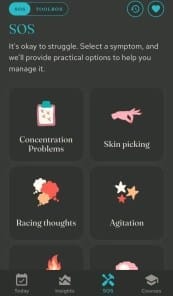
When symptoms hit, immediate interventions can make a difference. Belle’s SOS Box provides actionable strategies for managing acute PMDD symptoms like brain fog, concentration problems, irritability, or skin picking. Having a ready set of tools helps prevent symptoms from escalating and allows you to maintain daily functioning.
5. Communicate and Seek Support
Open communication with your partner, friends, or family can reduce feelings of isolation. Belle’s partner-sharing feature allows you to share cycle updates and symptom patterns, helping your loved ones provide better support during challenging phases.
6. Consult Healthcare Professionals
While lifestyle changes and tracking can significantly improve self-awareness, PMDD often requires medical guidance. Bringing detailed symptom logs—like those generated by Belle—can help your healthcare provider make more informed decisions regarding treatment options, including therapy or medication.
7. Consider Natural Approaches
Some people find relief from natural interventions such as magnesium or vitamin B6 supplementation, herbal remedies, or acupuncture. While these strategies may help, it’s important to combine them with symptom tracking and professional guidance to evaluate effectiveness safely.
Why Belle is a Powerful Tool to Help PMDD
Belle is not just a tracker; it is a complete PMDD support system. By logging symptoms daily, receiving phase-specific insights, and using features like the SOS Box and partner sharing, you gain actionable information about your cycle. Belle helps you anticipate high-symptom days, adjust routines, communicate better with your partner, and share accurate reports with your doctor—making it easier to manage PMDD proactively rather than reactively.
Final Thoughts
Helping PMDD starts with understanding, awareness, and preparation. Combining daily symptom tracking, stress management, lifestyle adjustments, and professional support creates a strong foundation for relief. With tools like the Belle App, you can take control of your cycle, anticipate challenges, and feel supported every step of the way.
FAQs – How to Help PMDD
What are effective ways to help PMDD?
Effective strategies include tracking symptoms daily, practicing stress management, maintaining a balanced diet, exercising, and using tools like the Belle App to log symptoms, get phase-specific insights, and access the SOS Box for immediate relief.
How can someone manage PMDD naturally?
Natural approaches such as mindfulness, yoga, regular exercise, nutritional adjustments, and herbal supplements can help. The Belle app complements these strategies by helping you monitor your symptoms and identify which natural methods work best for your cycle.
How can I support a partner with PMDD?
Understanding their cycle, communicating openly, and offering practical help are key ways to provide support. The Belle app partner-sharing feature allows partners to see cycle updates and symptom patterns, making it easier to provide timely support.
Can tracking PMDD symptoms improve treatment?
Yes. Consistent symptom tracking helps you and your healthcare provider identify patterns and evaluate interventions. The Belle app generates detailed reports that can be shared with doctors to guide treatment decisions.