What Helps PMDD? Effective Ways to Manage PMDD Symptoms
Learn what helps PMDD with practical strategies, natural approaches, and the Belle App to track symptoms, and get daily insights.
Premenstrual Dysphoric Disorder (PMDD) is a severe menstrual-related condition that affects emotional, physical, and cognitive health. Unlike typical PMS, PMDD can significantly interfere with daily life, relationships, and work. Understanding what helps PMDD requires a combination of awareness, lifestyle strategies, emotional support, and tools that make tracking symptoms and anticipating flare-ups easier.
By implementing multiple approaches, you can reduce the intensity of symptoms, gain better control over your cycle, and improve overall quality of life.
Understanding PMDD Symptoms
PMDD usually occurs in the luteal phase of the menstrual cycle, the two weeks following ovulation. Symptoms can be diverse and severe:
-
Emotional: irritability, anxiety, sadness, mood swings, or feelings of hopelessness
-
Cognitive: difficulty concentrating, forgetfulness, brain fog
-
Physical: bloating, breast tenderness, headaches, fatigue, changes in sleep patterns
-
Behavioral: cravings, changes in libido, restlessness
Tracking these symptoms is key to identifying patterns and triggers. The Belle App functions as a PMDD symptom tracker, letting you log emotional, cognitive, and physical changes daily while offering insights for each phase of your cycle.
Daily Tracking for Better Awareness
Consistent tracking is the foundation of PMDD management. Logging symptoms daily helps you understand when flare-ups are likely, which allows for better planning. With Belle, you can track moods, physical symptoms, energy levels, sleep, and more—all in under a minute each day. The app generates cycle charts and phase-specific insights, giving you actionable information to anticipate high-symptom days.
Emotional Health and Stress Management
Stress exacerbates PMDD symptoms, making emotional regulation more challenging. Mindfulness, meditation, journaling, and breathing exercises can help reduce stress and improve mood stability. Belle supports emotional health by sending daily notifications that remind you to check in with your mood and engage in self-care practices during high-risk phases.
Nutrition and Exercise for Symptom Relief
A balanced diet and regular physical activity play a vital role in managing PMDD.
-
Nutrition: Include complex carbohydrates, lean protein, healthy fats, and vitamins like B6 and magnesium to stabilize energy and reduce mood swings.
-
Exercise: Moderate movement such as walking, yoga, or stretching increases endorphins, reduces fatigue, and improves sleep quality.
Belle allows you to log physical symptoms alongside lifestyle choices, making it easier to see how diet and exercise influence your PMDD.
Immediate Coping Strategies
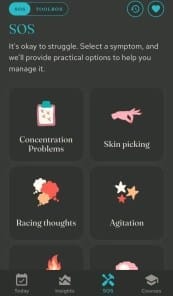
When symptoms strike, having immediate strategies can reduce their impact. Belle’s SOS Box offers practical interventions for concentration issues, irritability, brain fog, bloating, and other common PMDD symptoms. Accessing these tools at the moment symptoms occur helps you maintain daily functioning and reduces overall distress.
Communication and Support
Building a strong support network is crucial. Openly discussing symptoms with your partner, friends, or family helps reduce isolation and stress. Belle’s partner-sharing feature allows partners to view cycle updates and symptom patterns, facilitating better emotional and practical support during challenging phases.
Professional Guidance and Treatment
Although lifestyle changes and support strategies are important, professional care is often necessary for PMDD. Detailed symptom tracking—like that provided by Belle—can help healthcare providers accurately diagnose PMDD and tailor treatments, which may include therapy, hormonal interventions, or medication.
Natural Approaches to PMDD
Some individuals find relief through natural methods such as:
-
Magnesium and vitamin B6 supplementation
-
Herbal remedies
-
Acupuncture
-
Stress reduction techniques
Cycle Glow Gummies by Belle Health is formulated for women’s well-being, it blends Vitamin B6, Zinc, Vitamin D, Vitamin E, Vitamin C, and marine collagen to support mood balance, energy, immune health, skin elasticity, and healthy hair and nails.
Long-Term Strategies for Managing PMDD
-
Sleep hygiene: Regular sleep patterns stabilize mood and reduce fatigue.
-
Cognitive behavioral techniques: Reframing negative thoughts can help reduce emotional intensity.
-
Planning around cycles: Schedule demanding tasks during low-symptom phases.
-
Peer support: Connect with others who understand PMDD for guidance and validation.
Belle supports long-term management by generating cycle-based insights, helping you anticipate symptoms and plan activities accordingly.
Final Thoughts – What Helps PMDD
Knowing what helps PMDD involves combining symptom tracking, emotional support, lifestyle strategies, natural interventions, and professional care. By integrating these approaches with tools like the Belle App, you can anticipate symptoms, implement coping strategies, and gain clarity and control over your cycle, improving both quality of life and overall well-being.
FAQs: What Helps PMDD
What helps PMDD naturally?
Natural strategies include stress reduction, exercise, proper nutrition, and mindfulness. The Belle App helps you track these approaches, monitor their effects, and identify what works best for your cycle.
What helps PMDD when symptoms are severe?
Immediate coping strategies such as relaxation exercises, light movement, and self-care routines can help. Belle’s SOS Box provides practical interventions for symptoms the moment they occur.
What helps PMDD in daily life?
Daily tracking, emotional awareness, and planning around your cycle can reduce disruptions. Belle sends daily notifications, helping you stay aware and prepared for high-symptom days.
What helps PMDD in relationships?
Open communication and partner support are crucial. Belle’s partner-sharing feature allows your partner to view cycle updates and symptom patterns, so they can provide timely support and understanding.