How Self-Care Can Help PMDD
Self-care can help regulate hormones by reducing stress, which is known to exacerbate PMDD symptoms. Practices like mindfulness, and regular physical...
Premenstrual Dysphoric Disorder (PMDD) is a complex and debilitating condition that affects some women and AFAB individuals during their menstrual cycles. While medical treatments are available, self-care plays a crucial role in managing PMDD symptoms and enhancing overall well-being.
Engaging in self-care isn’t just about treating symptoms—it’s about fostering a holistic approach to health that addresses the emotional, physical, and hormonal aspects of the disorder. Self-care can help regulate hormones by reducing stress, which is known to exacerbate PMDD symptoms.
Practices like mindfulness, proper nutrition, and regular physical activity can help balance the hormonal fluctuations that contribute to PMDD, leading to a more stable mood and fewer physical discomforts. By prioritizing self-care, you can create a supportive environment for your body and mind, making it easier to manage the ups and downs of PMDD.
This post explores self-care methods that can help you navigate the challenges of PMDD, offering practical strategies that you can integrate into your daily life.
Opening Up to Others
Opening up about your PMDD experience with others can be incredibly therapeutic. Whether it’s a close friend, family member, or therapist, having someone who listens and validates your feelings can provide significant emotional relief. If face-to-face conversations feel overwhelming, consider staying in touch through texts, emails, or even voice notes. The key is to maintain a support network in whatever way feels most comfortable and manageable for you.
For those who might find it difficult to discuss reproductive health due to cultural or personal reasons, it’s important to remember that PMDD is a normal part of life for many people. Starting the conversation, no matter how challenging, can be the first step toward feeling better and gaining the support you need.
Journaling for Self-Support
Journaling can be a powerful self-care tool, especially when dealing with the emotional rollercoaster that PMDD can bring. Writing down your thoughts, mantras, or reminders allows you to process your feelings and create a supportive resource you can turn to during difficult times.
Whether it’s a reminder to breathe, a motivational quote, or notes about self-care activities that help, having this journal can provide comfort when you need it most.
“For me, the simplest form of support is writing down mantras, reminders, and suggestions for those tough times, even when I can’t manage basic tasks like showering. Having a dedicated space to collect these ideas is crucial, so I can access them no matter what stage of PMDD I’m in.”
Creating a Self-Care Box
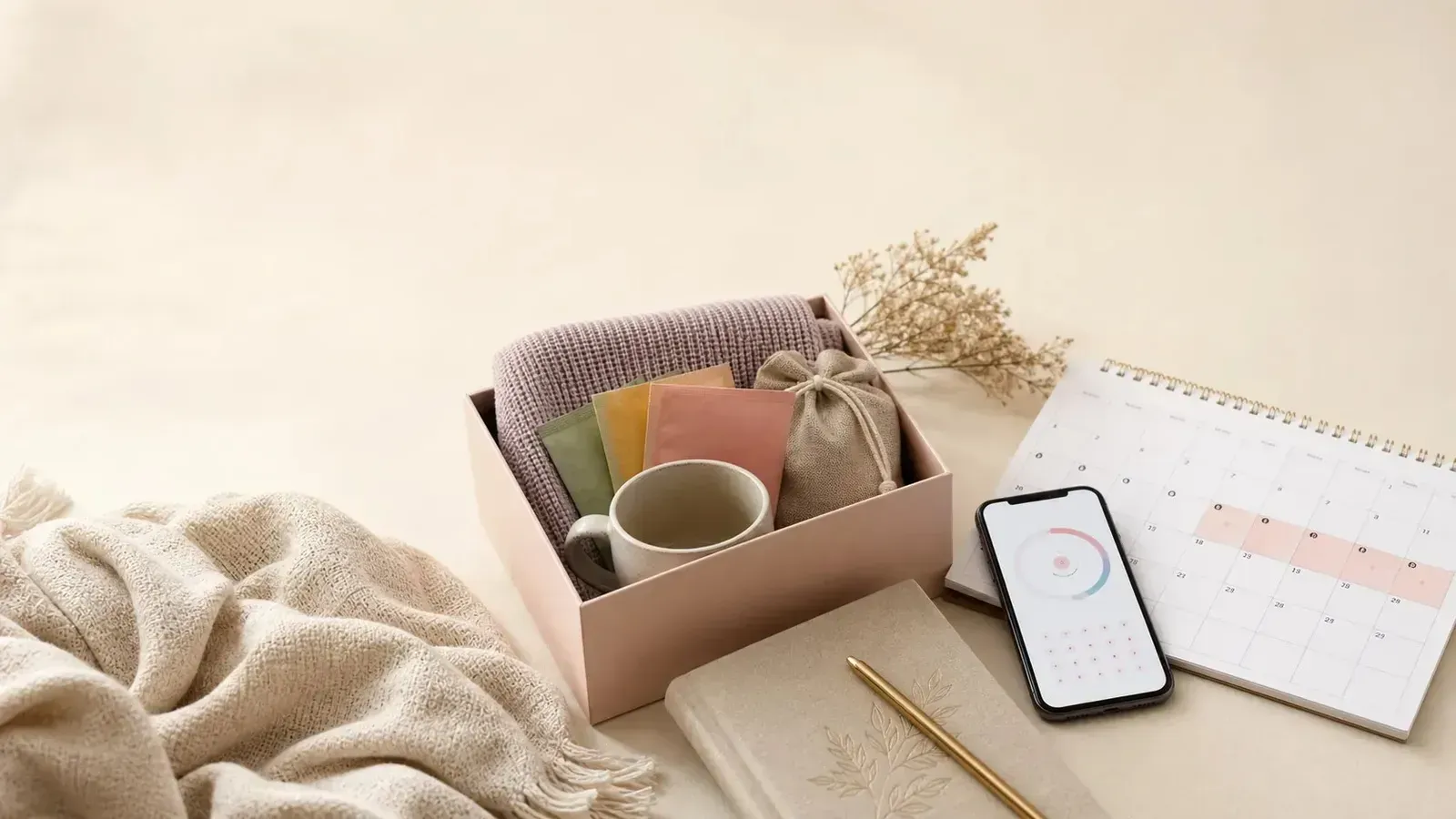
A self-care box is a simple yet effective way to prepare for those difficult PMDD days. Fill it with items that bring you comfort and relaxation, such as your favorite book, soothing teas, a cozy blanket, or even a journal for writing down your thoughts. The idea is to have a collection of things that can lift your spirits when you’re feeling low.
Having this box ready means you won’t have to think about what might help you in the moment—you can simply reach for it and find something that might ease your symptoms and bring you a sense of calm.
Practicing Relaxation Techniques
Managing stress is vital for emotional well-being, especially when dealing with PMDD. Incorporating relaxation techniques like deep breathing, meditation, or yoga into your daily routine can make a significant difference.
Spending time in nature, practicing mindfulness, or simply finding a quiet space to unwind can also be beneficial. These practices not only help in the moment but also contribute to long-term stress management, which is crucial for balancing hormones and reducing PMDD symptoms.
Prioritizing Physical Health
Your physical health is closely intertwined with your emotional well-being, particularly when managing PMDD. Ensuring you get enough sleep, eating a balanced diet, and engaging in regular physical activity can have a profound impact on your symptoms. Simple changes like reducing sugar and alcohol intake or incorporating more whole foods into your diet can help stabilize your mood and energy levels.
Exercise, even if it’s just a short walk, can help alleviate some symptoms of PMDD. If more vigorous exercise feels too challenging, focus on small, manageable activities that you enjoy. Remember, the goal is to do what you can, when you can, and to celebrate those efforts.
Embracing Flexibility in Self-Care
But even with these strategies, self-care may not always alleviate PMDD entirely. It’s important to acknowledge that self-care can sometimes be challenging, especially when you’re juggling responsibilities like work, commuting, or caring for children, pets, or partners.
Even when you make time for self-care, external factors or triggers can sometimes disrupt the peace you’re trying to cultivate. This is why it’s essential to be flexible and patient with yourself as you navigate these challenges.
“Self-care might seem simple, but it’s not always easy to achieve when juggling responsibilities like work, commuting, children, pets, and partners. Even when we make time for self-care, our peace can still be disrupted by triggers from others.”
Conclusion
Remember, self-care isn’t about perfection; it’s about doing what you can, when you can, and being kind to yourself throughout the process. Explore different methods, listen to your body, and seek support when needed.
You’re not alone in this journey, and every step you take toward self-care is a step toward feeling better.