What Does DPO Mean? – Days Past Ovulation
DPO stands for Days Past Ovulation, a key term for tracking early pregnancy. Learn what DPO means, symptoms, and when to have a test.
If you’re trying to conceive (TTC) or simply tracking your menstrual cycle, you’ve likely come across the term “DPO.” But what does it mean, and how does it relate to pregnancy? In this detailed guide, we’ll explore the meaning of DPO, its significance in pregnancy, and what to expect during the days following ovulation. We’ll also dive into early pregnancy symptoms, when to take a pregnancy test, and answer common questions about DPO and conception.
What Does DPO Mean?
DPO stands for Days Past Ovulation, which refers to the number of days that have passed since ovulation occurred. Ovulation is the process where a mature egg is released from the ovary and travels down the fallopian tube, where it can potentially be fertilized by sperm. It is a key concept for those trying to conceive, as it helps track the timeline of potential pregnancy.
For example:
- 1 DPO: One day after ovulation.
- 5 DPO: Five days after ovulation.
- 14 DPO: Fourteen days after ovulation, which is typically when a menstrual period is expected if pregnancy has not occurred.
What Does DPO Mean in Pregnancy?
In the context of pregnancy, DPO is used to track the early stages of conception and implantation. After ovulation, if the egg is fertilized by sperm, it begins to divide and travel toward the uterus. Implantation, when the fertilized egg attaches to the uterine lining, typically occurs between 6 to 12 DPO. This is when early pregnancy symptoms may begin to appear, and the body starts producing the pregnancy hormone hCG (human chorionic gonadotropin).
Understanding it is crucial because it helps you know when to expect implantation, when to test for pregnancy, and when early symptoms might appear. However, it’s important to note that every person’s body is different, and symptoms and timelines can vary.
Early Pregnancy Symptoms by DPO
Pregnancy symptoms can vary significantly from person to person, but here’s a detailed breakdown of what might happen during the days following ovulation:
0-7 DPO: The Early Luteal Phase
During the first week after ovulation, the body is preparing for potential pregnancy. If fertilization occurs, the fertilized egg begins its journey to the uterus. Most people won’t experience noticeable symptoms during this time, but some may feel mild cramping or bloating due to rising progesterone levels.
- What’s Happening in the Body: After ovulation, the corpus luteum (the structure left behind after the egg is released) begins producing progesterone. This hormone helps thicken the uterine lining to support a potential pregnancy.
- Common Symptoms:
- Mild cramping
- Bloating
- Fatigue
- Breast tenderness (due to hormonal changes)
You might find this interesting: Extreme Fatigue After Ovulation: Causes and How to Cope
7-10 DPO: Implantation and Early Signs
Around this time, implantation may occur. Some people notice implantation bleeding, which is light spotting that happens as the fertilized egg attaches to the uterine lining. Other early symptoms may include:
- What’s Happening in the Body: If fertilization occurred, the fertilized egg (now called a blastocyst) implants into the uterine lining. This triggers the production of hCG, the pregnancy hormone.
- Common Symptoms:
- Light spotting or implantation bleeding
- Mild cramping
- Breast tenderness
- Fatigue
- Increased sensitivity to smells
11-14 DPO: Rising hCG Levels and More Noticeable Symptoms
By this stage, if implantation has occurred, the body starts producing more hCG. Early pregnancy symptoms may become more noticeable, such as:
- What’s Happening in the Body: hCG levels rise, signaling the body to sustain the pregnancy. Progesterone and estrogen levels also increase, contributing to early symptoms.
- Common Symptoms:
- Nausea or food aversions
- Frequent urination
- Mood swings
- Bloating
- Light spotting
- Fatigue
- Headaches
However, these symptoms can also be similar to premenstrual syndrome (PMS), so they are not definitive signs of pregnancy.
Common Questions About DPO and Pregnancy
What Does DPO Mean for Pregnancy?
It’s is a way to track the timeline of early pregnancy. It helps individuals understand when to expect implantation, when to test for pregnancy, and when early symptoms might appear.
How Early Can You Test After Ovulation?
Most pregnancy tests can detect hCG levels around 12-15 DPO. Testing too early (before 10 days) may result in a false negative because hCG levels may not yet be high enough to detect. However, some highly sensitive tests may detect hCG as early as 9-10 DPO.
What Are 5 DPO Cramping and 9 DPO Symptoms?
- 5 DPO cramping: Mild cramping at 5 days could be due to progesterone levels rising, which happens whether or not pregnancy occurs. It’s too early for implantation, so cramping at this stage is usually not related to pregnancy.
- 9 DPO symptoms: At 9 days, some people may experience early pregnancy symptoms like fatigue, breast tenderness, or light spotting if implantation has occurred. However, these symptoms can also be caused by hormonal fluctuations unrelated to pregnancy.
How Fast Do You Get Symptoms of Pregnancy?
Pregnancy symptoms can begin as early as 7-10 days, but they are often subtle and easily confused with PMS. Most people notice more pronounced symptoms after a missed period, around 14 days or later.
Can You Feel Pregnancy Symptoms 48 Hours After Conception?
No, it’s unlikely to feel pregnancy symptoms 48 hours after conception. Implantation typically occurs 6-12 DPO, and symptoms usually begin after implantation.
DPO and Pregnancy Testing
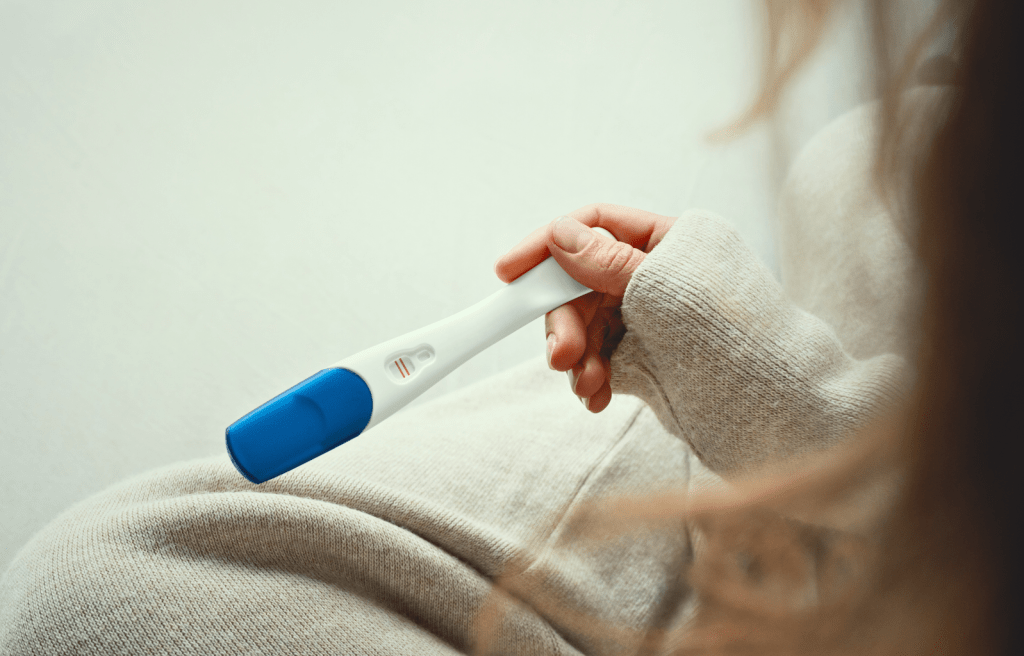
The best time to take a pregnancy test is after a missed period, which is typically around 14 DPO. However, some sensitive tests may detect hCG as early as 10-12 DPO. If you test too early and get a negative result, wait a few days and test again.
When to Test Based on DPO
-
10-12 DPO: Early testing with a sensitive pregnancy test. However, results may not be accurate due to low hCG levels.
-
14 DPO: Ideal time to test, as hCG levels are usually high enough to detect.
-
After a Missed Period: The most reliable time to test, as hCG levels are significantly higher.
Learn more about Physical Signs of Ovulation and Fertility and Breast Discomfort During Ovulation & Relief Strategies
Key Takeaways
- DPO stands for Days Past Ovulation and is used to track the timeline of potential pregnancy.
- Implantation typically occurs between 6-12 DPO, and early pregnancy symptoms may begin around this time.
- Symptoms like cramping, fatigue, and breast tenderness can occur in early pregnancy but may also be similar to PMS.
- Pregnancy tests are most accurate after a missed period, around 14 DPO.
- Every person’s body is different, so symptoms and timelines may vary.
Final Thoughts
Understanding DPO can help you navigate the two-week wait between ovulation and a potential pregnancy test. While early symptoms can be exciting, the only way to confirm pregnancy is through a test. If you’re TTC, tracking your cycle and knowing what to expect can make the process a little easier. Remember, every person’s body is different, so symptoms and timelines may vary. Good luck on your journey!
Read more about:
Frequently Asked Questions (FAQ)
How Soon After Ovulation Can Someone Feel Pregnancy Symptoms?
Some people may begin to notice pregnancy symptoms after implantation, which is when a fertilized egg implants itself into the wall of the uterus. Implantation usually happens 6–12 days after fertilization.
Can People Experience Pregnancy Symptoms 48 Hours After Conception?
No, people are not likely to experience symptoms of pregnancy until implantation occurs, which is typically 6–12 days after fertilization.
How Many DPO Can a Person Test Positive for Pregnancy?
According to the United States Food and Drug Administration, if a person has a 28-day menstrual cycle, a pregnancy test may be able to detect the pregnancy hormone, hCG, in their urine 12-15 DPO.