TWW: The Two Week Wait for a Pregnancy Test
The TWW (Two-Week Wait) is the 14-day period between ovulation and when you can take a pregnancy test. Discover symptoms and testing tips.
The two-week wait (TWW) is one of the most emotionally charged periods for women trying to conceive. Spanning approximately 14 days between ovulation and the expected menstrual period, this window is filled with anticipation, hope, and often, anxiety. Understanding the biological processes at work, the best time to take a pregnancy test, and how to manage the emotional toll can make this waiting period feel a little more bearable.
What Does TWW Mean in Pregnancy?
The term “two-week wait” (TWW) refers to the time between ovulation—when an egg is released from the ovary—and the point when a pregnancy test can reliably detect whether conception has occurred. This period is crucial because it encompasses the journey of a fertilized egg as it travels through the fallopian tube, implants in the uterine lining, and begins producing human chorionic gonadotropin (hCG), the hormone that pregnancy tests measure.
While the name suggests a strict 14-day timeframe, the actual duration can vary slightly from woman to woman. Some may experience a shorter luteal phase (the time between ovulation and menstruation), while others may have a longer one. However, for most women with a regular 28-day cycle, ovulation occurs around day 14, making the two-week estimate a useful general guideline.
Read more about Signs Ovulation Is Over: Know Your Fertile Window Has Closed
What Happens During the TWW (Two-Week Wait)?
Days 1-6 Post-Ovulation: The Fertilization and Early Journey
After ovulation, if sperm successfully fertilizes the egg within about 12-24 hours, the resulting zygote begins dividing rapidly as it moves through the fallopian tube toward the uterus. During these early days, no pregnancy symptoms are typically felt, as the body has not yet begun producing significant levels of hCG.
2DPO Cramps: What Do They Mean? and 5 DPO Discharge If Pregnant: Early Signs and What to Expect
Days 7-10 Post-Ovulation: Implantation
Around a week after ovulation, the fertilized egg (now called a blastocyst) reaches the uterus and begins the process of implantation—embedding itself into the thickened uterine lining. This is when some women may experience implantation bleeding, light spotting that can be mistaken for an early period. Cramping, similar to menstrual cramps, may also occur.
Implantation triggers the release of hCG, though levels are still too low to be detected by most home pregnancy tests at this stage.
Days 11-14 Post-Ovulation: Rising hCG and Early Testing
By 11-12 days post-ovulation (DPO), hCG levels begin to rise more noticeably. Some highly sensitive early-detection pregnancy tests may pick up trace amounts of the hormone, but results can still be unreliable. Waiting until 14 DPO—or until the first day of a missed period—dramatically increases the accuracy of home pregnancy tests.
Symptoms During the Two-Week Wait (TWW): What’s Normal?
The two-week wait can be filled with heightened awareness of every physical sensation, as many women closely monitor their bodies for potential early pregnancy signs. However, it’s important to remember that progesterone—the hormone that rises after ovulation whether conception occurs or not—causes many symptoms that can be identical in both early pregnancy and the premenstrual phase.
Some women report breast tenderness, mild cramping, fatigue, bloating, or mood swings during the TWW, while others experience no noticeable changes at all. Around 7–10 days post-ovulation, some may notice light spotting (implantation bleeding) or a fleeting sensation of twinges, though these signs don’t guarantee pregnancy. Since symptoms can be misleading, the only definitive way to confirm pregnancy is through testing after the two-week wait. Tracking symptoms may provide clues, but try not to read too much into them—your body’s signals during this time are often unpredictable and vary greatly from person to person.
How Many Days After Ovulation Can You Test?
The answer depends on several factors, including the sensitivity of the test and individual hCG production rates. The best time to take a pregnancy test depends on:
- The sensitivity of the test (some detect lower hCG levels).
- Whether you’re testing with urine (home tests) or blood (doctor’s test).
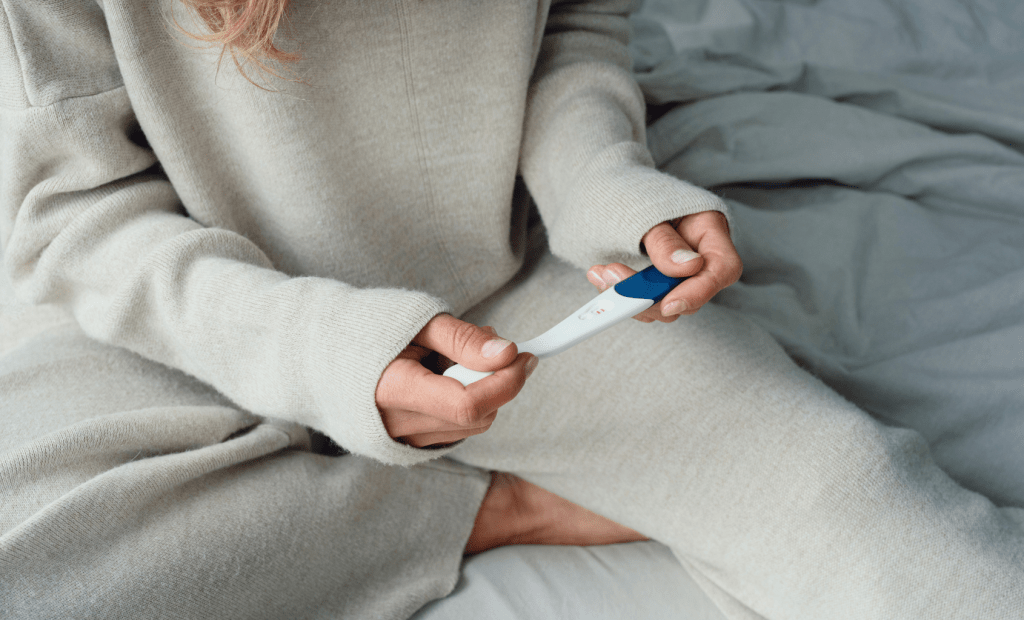
General Guidelines for Testing After Ovulation:
Early Testing (7-10 DPO)
While some women are tempted to test as early as 7-10 DPO, most home pregnancy tests are not sensitive enough to detect the low levels of hCG present at this stage. Blood tests administered by a doctor can sometimes detect pregnancy earlier, but even these may not be conclusive until closer to 10-12 DPO.
Moderate Testing (10-12 DPO)
Some early response pregnancy tests claim to detect hCG levels as low as 10-25 mIU/mL, which means they might show a faint positive around 10-12 DPO. However, false negatives are still common at this point due to variations in implantation timing and hCG production.
Most Accurate Testing (14 DPO or After a Missed Period)
For the most reliable results, waiting until 14 DPO—or until the day of an expected period—is ideal. By this time, if pregnancy has occurred, hCG levels are usually high enough to produce a clear positive result. Testing with first-morning urine, which is more concentrated, can further improve accuracy.
Best Practices for Testing:
✔ Use first-morning urine (highest hCG concentration).
✔ Wait at least 12-14 DPO for reliable results.
✔ If negative but period is late, retest in 2-3 days.
Coping with the Emotional Challenges of the Two-Week Wait
The TWW can be mentally exhausting, as every twinge or sensation may be scrutinized for signs of pregnancy. Unfortunately, many early pregnancy symptoms (such as bloating, fatigue, or breast tenderness) are nearly identical to premenstrual symptoms, making symptom-spotting unreliable.
To manage stress during this time:
- Distract Yourself – Engage in hobbies, work, or social activities to keep your mind occupied.
- Avoid Over-Testing – Testing too early can lead to unnecessary disappointment due to false negatives.
- Practice Mindfulness – Techniques like meditation, deep breathing, or light exercise can help reduce anxiety.
- Seek Support – Talking to a partner, friend, or online community of women going through the same experience can be comforting.
When to See a Doctor:
If you receive a positive pregnancy test, scheduling an appointment with a healthcare provider for confirmation and prenatal guidance is the next step. If you experience repeated negative tests despite well-timed intercourse, or if your cycles are irregular, a fertility specialist can help evaluate potential underlying issues, such as hormonal imbalances or ovulation disorders.
How Tracking Can Help During the TWW
Tracking apps can be valuable tools during the TWW by providing insights into your cycle, predicting fertile windows, and helping you monitor potential early pregnancy symptoms. By loging your symptoms and period, the Belle App can also help identify potential irregularities, giving you useful information and making reports to discuss with your doctor if needed.
Final Thoughts TWW
The two-week wait is a test of patience, but understanding the biological timeline and knowing when to test can help alleviate some of the uncertainty. While the urge to test early is strong, waiting until at least 12-14 DPO—or after a missed period—will provide the most accurate results. Remember, whether this cycle brings a positive result or not, each attempt is a step forward in your journey to conception.
FAQs About TWW
What is the two-week wait (TWW) in pregnancy?
The two-week wait refers to the approximately 14-day period between ovulation and when you can take a pregnancy test. This is the time when a fertilized egg implants in the uterus and begins producing hCG, the hormone detected by pregnancy tests.
How many days after ovulation can I test for pregnancy?
While some early-detection tests claim to give results as early as 7–10 days post-ovulation (DPO), the most accurate results come at 14 DPO or after a missed period. Testing too early may lead to false negatives.
What symptoms can I expect during the TWW?
Common symptoms (which can be caused by either early pregnancy or PMS) include breast tenderness, mild cramping, fatigue, bloating, and mood swings. Some women experience implantation bleeding around 7–10 DPO, but not everyone does.
How can I cope with the stress of the two-week wait?
To manage anxiety, avoid early testing, stay busy with distractions, track symptoms lightly (without obsessing), and seek support from partners or online communities. Remember—symptoms alone aren’t a reliable indicator of pregnancy.