Signs Ovulation Is Over: Know Your Fertile Window Has Closed
Some signs ovulation is over include changes in cervical mucus, a rise in basal body temperature, and decreased libido.
Understanding your menstrual cycle is key to tracking fertility, and recognizing the signs ovulation is over can help you determine when your fertile window has closed. Ovulation, the release of an egg from the ovary, is the most fertile phase of your cycle. Once ovulation is complete, your body transitions into the luteal phase, which leads up to your period if pregnancy hasn’t occurred. Here are detailed signs to help you identify when ovulation has ended.
You might find this interesting: What Causes Early Ovulation? and Does Ovulation Make You Emotional?
Physical Signs Ovulation Is Over
1. Changes in Cervical Mucus
Cervical mucus is one of the most reliable physical indicators of ovulation. During ovulation, it becomes clear, stretchy, and slippery—similar to egg whites—to facilitate sperm movement. After ovulation, the mucus thickens, becomes creamier, and may even dry up.This change indicates that your fertile window has likely closed.
2. Breast Tenderness Subsides
Hormonal fluctuations during ovulation can cause breast tenderness or sensitivity. If you typically experience soreness around ovulation, a reduction in this discomfort can be a clear indicator that ovulation has ended. However, it’s worth noting that some individuals may continue to experience breast tenderness until their period arrives, so this sign isn’t universal.
3. Ovulation Pain (Mittelschmerz) Stops
Up to 40% of people experience mittelschmerz, or ovulation pain, which feels like a sharp or cramping sensation in the lower abdomen. This discomfort typically lasts a few hours to a day. If the pain subsides, it’s a strong indication that ovulation has occurred and is now complete.
4. Basal Body Temperature (BBT) Rises
Tracking your basal body temperature is a reliable way to pinpoint ovulation. BBT typically rises slightly (by 0.5°F to 1°F) after ovulation due to increased progesterone levels. If you notice a sustained temperature increase for three or more days, it’s one of the most accurate signs ovulation is over. Using a BBT chart or app can help you monitor these changes effectively.
5. Cervical Position and Firmness
For those comfortable with self-examination, checking the cervix can provide clues about ovulation. During ovulation, the cervix is soft, high, and open to allow sperm entry. After ovulation, it becomes firmer, lower, and closes. While this method requires practice and consistency, it can be a helpful way to confirm that ovulation has ended.
6. Positive LH Test Fades
Ovulation predictor kits (OPKs) detect a surge in luteinizing hormone (LH), which triggers ovulation. Once the LH surge passes, ovulation usually occurs within 24-36 hours. If it’s been a few days since your last positive OPK result, it’s safe to assume that ovulation has concluded and your fertile window has closed.
Emotional Signs Ovulation Is Over
1. Decreased Sex Drive
A heightened libido is common during ovulation due to hormonal changes designed to encourage conception. If you notice a decline in your sex drive after a few days of increased desire, it could be one of the emotional signs ovulation is over.
2. Mood Shifts
After ovulation, rising progesterone levels can cause mood swings, irritability, or emotional sensitivity. While these changes are more related to the luteal phase, they can also serve as indirect indicators that ovulation has ended.
3. Fatigue or Lethargy
Some individuals feel more tired or sluggish after ovulation due to hormonal fluctuations. This emotional and physical shift can be a subtle sign that your fertile window has closed.
Why Tracking Signs Ovulation Is Over Matters?
Recognizing the signs ovulation is over can help you better understand your menstrual cycle and fertility patterns. While physical signs like cervical mucus changes and BBT shifts are more concrete, emotional indicators like mood swings and decreased libido can also provide valuable insights. Combining multiple tracking methods—such as monitoring cervical mucus, using OPKs, and charting BBT—can give you a more accurate picture of your cycle.
With the Belle App, you can track both physical and emotional cues, gaining control over your reproductive health, whether you’re planning for pregnancy or simply staying in tune with your body. Understanding when ovulation has ended is a key step in navigating your menstrual cycle with confidence.
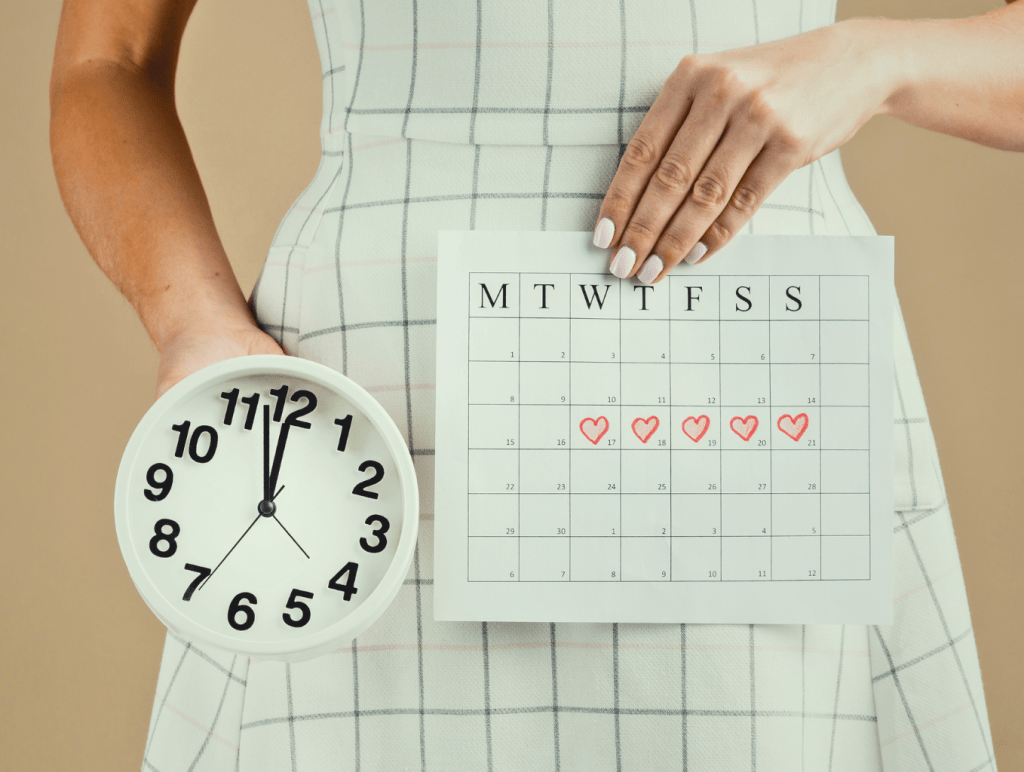
Conclusion Signs That Ovulation Is Over
Recognizing the signs that ovulation is over—whether through physical changes like cervical mucus thickening, a rise in basal body temperature, or emotional shifts like decreased libido—helps you determine when your fertile window has closed. By tracking these indicators, you gain valuable insight into your menstrual cycle, whether you’re trying to conceive or simply monitoring your reproductive health.
Combining multiple methods, such as ovulation predictor kits, BBT charting, and cervical checks, can provide the most accurate confirmation that ovulation has ended. Understanding these signals empowers you to make informed decisions about your fertility and overall well-being. With the right tools and awareness, you can navigate your cycle with confidence and greater control over your body’s natural rhythms.
FAQs About Signs That Ovulation Is Over
Can I still get pregnant after the signs of ovulation are over?
While the signs ovulation is over indicate that your fertile window has likely closed, conception is still possible for a short time after ovulation. Sperm can survive in the reproductive tract for up to 5 days, and the egg remains viable for about 12-24 hours after release. However, the chances of pregnancy decrease significantly once ovulation has ended.
Do the signs of ovulation ending differ for people with irregular cycles?
Yes, individuals with irregular cycles may find it more challenging to identify the signs ovulation is over. Hormonal imbalances or inconsistent cycle lengths can make physical and emotional indicators less predictable. In such cases, tracking methods like basal body temperature (BBT) charting, ovulation predictor kits (OPKs), and monitoring cervical mucus can provide more reliable insights.
How long after ovulation ends do menstrual symptoms start?
After ovulation, the luteal phase typically lasts between 10-16 days, with 14 days being the average. Menstrual symptoms, such as bloating, mood swings, or cramping, usually begin a few days before your period starts. If you’ve noticed the signs ovulation is over, you can expect your period to arrive within this timeframe, assuming pregnancy hasn’t occurred.