PMDD and OCD: Hormones and Obsessive Thoughts
Struggling with PMDD and OCD? Learn how hormonal cycles amplify intrusive thoughts and compulsions, and discover science-backed strategies.
How can PMDD and OCD affect us? For many people, Obsessive-Compulsive Disorder (OCD) is already a heavy burden. Add Premenstrual Dysphoric Disorder (PMDD) to the mix, and what you get is a cycle-driven emotional and cognitive rollercoaster that can seriously impair everyday life.
While each condition alone poses challenges, their intersection—where intrusive thoughts intensify, compulsive behaviors escalate, and emotional regulation becomes a daily struggle—is often misunderstood and underdiagnosed. This article unpacks the link between PMDD and OCD, how hormones affect brain chemistry, and what you can do to find relief.
Understanding PMDD: More Than “Just PMS”
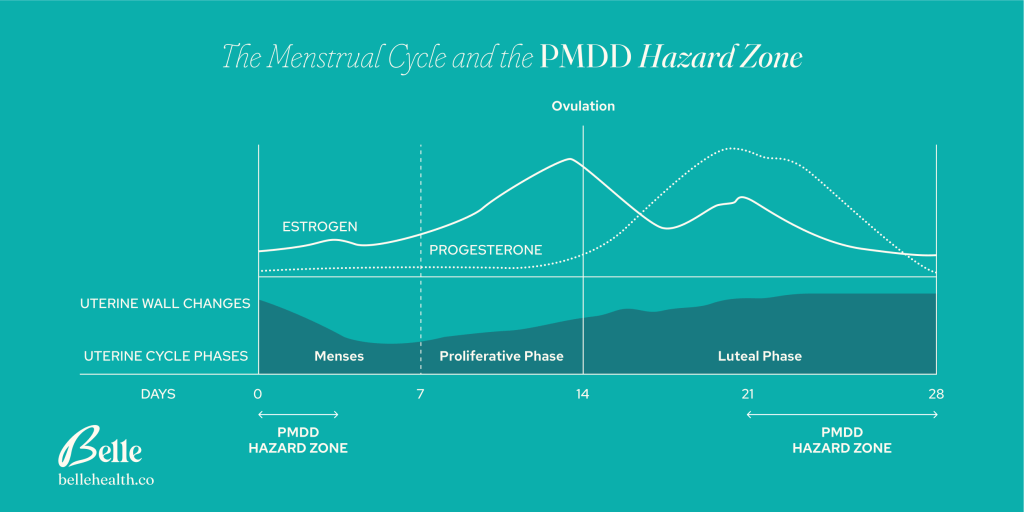
PMDD is a severe, hormone-based mood disorder that affects approximately 5-8% of menstruating individuals. It occurs during the luteal phase of the menstrual cycle (the two weeks before menstruation), when progesterone rises and falls. Unlike PMS, PMDD causes disabling emotional and physical symptoms: irritability, anxiety, crying spells, fatigue, and sometimes even suicidal thoughts.
Key PMDD symptoms include:
- Sudden mood swings
- Extreme irritability or anger
- Depressed mood and feelings of hopelessness
- Severe anxiety or tension
- Difficulty concentrating
- Sleep disturbances
- Physical symptoms like bloating or breast tenderness
PMDD is often misdiagnosed as bipolar disorder, depression, or generalized anxiety disorder. But what’s now becoming clearer is its overlap with obsessive-compulsive tendencies.
Understanding OCD: The Cycle of Intrusions and Compulsions
Obsessive-Compulsive Disorder is a mental health condition where a person experiences obsessions (disturbing, unwanted thoughts, images, or urges) and compulsions (repetitive behaviors aimed at reducing anxiety from those obsessions). Common subtypes include:
- Contamination OCD
- Checking OCD
- Harm OCD
- Religious or moral OCD
- “Just right” OCD
People with OCD are often aware that their thoughts are irrational, but the urge to act on them can be overpowering. The condition is strongly tied to serotonin dysfunction, which is where its connection to PMDD begins.
PMDD and OCD: What the Research Shows
Emerging evidence suggests that PMDD and OCD co-occur more often than previously believed. According to a 2024 clinical review, about 12% of people with OCD also have PMDD, and 20% report worsening OCD symptoms during the luteal phase.
Why? Hormonal fluctuations during this phase impact serotonin, the neurotransmitter involved in both mood regulation and OCD.
During the luteal phase:
Progesterone increases, then drops abruptly
Estrogen dips
These changes disrupt serotonin levels
The result? For people with OCD, intrusive thoughts become louder, more distressing, and more frequent. Compulsions may intensify. For example:
Someone with contamination OCD may wash their hands excessively during PMDD episodes
Someone with harm OCD may fear they’ll hurt a loved one
Checking behaviors may become more compulsive and exhausting
Intrusive Thoughts: The PMDD and OCD Amplifier
Intrusive thoughts—violent images, taboo impulses, blasphemous ideas—are common in OCD. But they also increase during PMDD. One study found that hormonal sensitivity can make thoughts feel more “real” and disturbing.
This is not due to personality or trauma alone. The hormonal turbulence disrupts the brain’s ability to regulate thought patterns. Combine this with a pre-existing OCD diagnosis, and the emotional load becomes almost unbearable.
“Every month, a week before my period, I start thinking I’m a bad person. I obsess over things I said years ago. It feels like I’m losing control of my mind.” — PMDD + OCD patient
Symptom Timeline: What to Expect Each Month
Luteal Phase (Days 15-28)
- Intrusive thoughts become more intense
- Anxiety spikes
- Obsessions become more time-consuming
- Depression and fatigue may co-occur
- Emotional sensitivity increases dramatically
Menstruation Onset (Day 1 of cycle)
- Relief typically begins within 1-2 days
- Intrusive thoughts lessen
- Compulsions decrease
- Mood stabilizes
The Diagnostic Blind Spot
Too often, healthcare providers treat OCD and PMDD separately. A patient might receive CBT for OCD, but no attention is paid to her hormonal cycle. Or she might be prescribed birth control for PMDD, but her mental health symptoms are dismissed.
Integrated diagnosis is key. Patients should be encouraged to track:
- When intrusive thoughts occur
- Whether compulsions intensify at specific times of the month
- Emotional patterns
This helps determine whether symptoms are cyclical and hormonally influenced.
How to Treat PMDD and OCD Together
1. Cognitive Behavioral Therapy (CBT)
Particularly Exposure and Response Prevention (ERP)
Can help break the obsession-compulsion loop
Must be adapted to hormonal cycles (e.g., intensified support during luteal phase)
2. Medication
SSRIs like fluoxetine or sertraline are used for both PMDD and OCD
Can be taken full-time or only during luteal phase
Hormonal treatments (like combined birth control pills or GnRH agonists) may also help
3. Cycle Tracking
Use apps like Belle or journals to log symptoms and identify patterns
Share this data with your therapist or doctor
4. Lifestyle Modifications
Anti-inflammatory diet
Limit caffeine and alcohol
Exercise regularly
Practice mindfulness, yoga, or meditation
5. Supplements
Magnesium, calcium, and Vitamin B6 have been shown to help with PMDD
6. Support Groups
Join communities where others share lived experiences
Validate your journey and learn new coping strategies
Special Considerations: When OCD Becomes Menstruation-Focused
Interestingly, for some, OCD symptoms may directly involve menstruation:
- Fear of leaks (leading to obsessive checking)
- Aversion to blood (compulsive cleaning)
- Need for “just right” protection (using multiple pads or tampons unnecessarily)
This is sometimes mistaken for PMDD alone, but the ritualistic nature of behaviors signals OCD. Recognizing this distinction allows for more targeted interventions.
PMDD Without OCD Can Still Include Intrusive Thoughts
It’s important to note: not all intrusive thoughts mean you have OCD. Many people with PMDD alone report increased anxiety, panic, or random intrusive thoughts before their period.
But the key difference lies in response:
PMDD-related thoughts are distressing but usually pass
OCD-related thoughts result in compulsions (checking, avoidance, rumination)
Still, PMDD alone can mimic OCD temporarily. Recognizing this can help avoid misdiagnosis.
What If You Think You Have Both?
Talk to your doctor about tracking your cycle alongside your OCD symptoms.
Request a referral to a therapist trained in both hormonal disorders and OCD treatment (CBT, ERP).
Explore medication options, and discuss whether luteal-phase-only SSRI treatment could help.
Practice radical self-compassion. Your thoughts are not who you are. These conditions are not your fault.
Final Thoughts: You Are Not Alone
Living with PMDD and OCD is like living in a storm system that comes back each month. But cycles can be mapped. Patterns can be learned. And treatments can be tailored to your specific needs.
Understanding this dual diagnosis is the first step toward reclaiming control. There is support. There is relief. And most importantly, there is hope.
If you suspect you may have PMDD and OCD, speak to a healthcare professional. Track your cycle. Speak up. Share your story. You deserve to be heard, understood, and supported—every day of the month.