How Long Does Birth Control Stay in Your System?
Wondering how long birth control stays in your system? Clearance times vary by method, from days to months.
If you’re considering stopping birth control or switching methods, you may wonder, how long does birth control stay in your system? The answer depends on the type of contraceptive you use—whether it’s the pill, shot, implant, or another form. In this article, we’ll explore how different birth control methods linger in your body and when you can expect fertility to return.
Do You Ovulate on Birth Control? – Contraception And Your Cycle
The duration birth control remains in your system varies by type. Here’s a breakdown of common contraceptives:
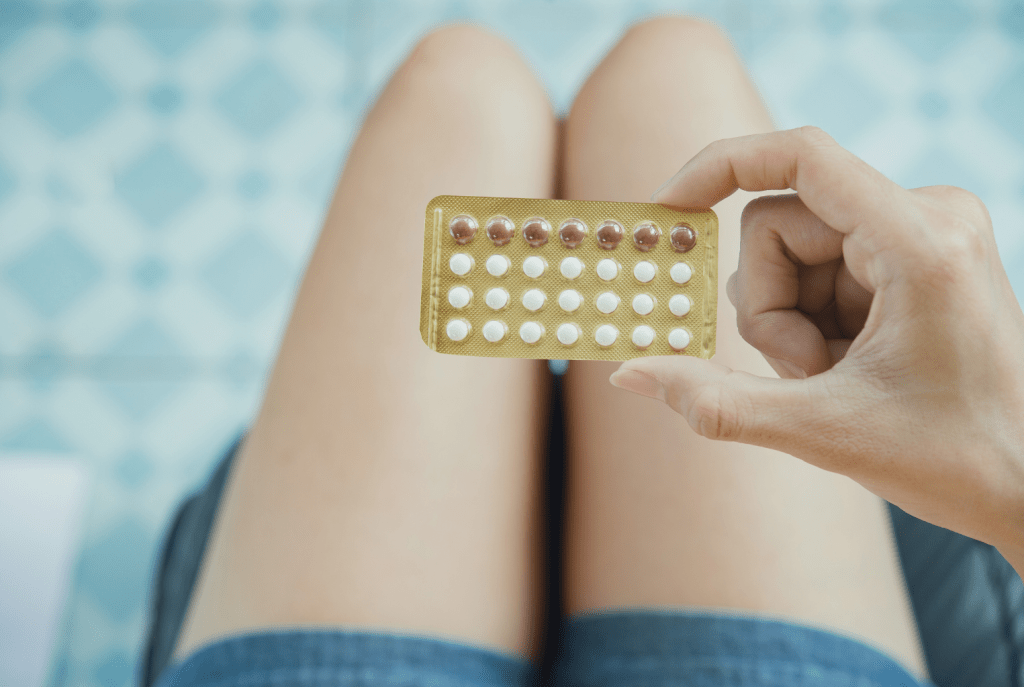
1. Birth Control Pills
The answer depends on whether you take combination pills (estrogen and progestin) or progestin-only pills (mini-pills). Factors like metabolism, body weight, and how long you’ve been taking the pill can influence how fast your body eliminates these hormones. If you’re planning to conceive or switch birth control methods, tracking your cycle after stopping can help you understand when your fertility returns.
-
Combination Pills: These are the most common type of birth control pills. The synthetic hormones in combination pills—typically a mix of estrogen (like ethinyl estradiol) and progestin (such as levonorgestrel or norethindrone)—are processed by your liver and excreted through urine.
After stopping, the hormones usually clear from your system within 3 to 7 days. However, while the hormones may leave quickly, your body may need time to resume its natural hormonal balance. Some women ovulate and regain fertility almost immediately, while others may experience irregular cycles for a few months as their body adjusts.
-
Progestin-Only Pills: These contain only progestin (like norethindrone or drospirenone) and no estrogen. Because they lack estrogen, they tend to leave your system faster—usually within 1 to 3 days after your last pill.
Since progestin-only pills don’t consistently suppress ovulation like combination pills, fertility may return very quickly. Some women even ovulate within days of stopping, making it important to use backup contraception immediately if pregnancy isn’t desired.
2. Birth Control Shot (Depo-Provera)
The Depo-Provera injection is a long-acting reversible contraceptive (LARC) that provides pregnancy protection for up to 3 months per shot. Unlike daily pills or monthly methods, this progestin-based contraceptive works by slowly releasing hormones into your system over time.
Because of its extended-release mechanism, the hormones from Depo-Provera can remain detectable in your body for up to 10 months after your last injection. While most women clear the medication within 7-9 months, traces may linger longer depending on factors like:
-
Metabolism (slower metabolisms take longer to eliminate the hormones)
-
Body fat percentage (progestin is fat-soluble and may stay longer in those with higher body fat)
-
Duration of use (long-term users may experience delayed clearance)
Fertility typically takes 9 to 12 months to return after stopping Depo-Provera, making it one of the slowest-reversing birth control methods. However, this varies:
-
Some women ovulate as early as 6 months after their last shot.
-
Others may take over a year before their menstrual cycles normalize.
-
About 50% of women conceive within 10 months, while 90% get pregnant within 18 months after discontinuation.
3. Birth Control Implant (Nexplanon)
The Nexplanon implant is a small, flexible rod inserted under the skin of your upper arm that continuously releases progestin (etonogestrel) to prevent pregnancy for up to 3 years. Unlike birth control methods that require daily or monthly attention, this “set-it-and-forget-it” contraceptive offers long-term protection with minimal maintenance.
Once removed by a healthcare provider:
-
The hormones clear rapidly, typically within 3-7 days
-
Nearly all traces of etonogestrel are undetectable by 2 weeks post-removal
Unlike Depo-Provera (which lingers for months), the implant’s effects reverse quickly because It’s localized delivery (not stored in body fat), uses a different progestin than the shot and doesn’t accumulate with long-term use:
-
Some women ovulate within 3 weeks
-
Most resume normal cycles within 3 months
-
Average time to conception is similar to non-users (about 6 months for those trying)
4. Hormonal IUD (Mirena, Kyleena, etc.)
Hormonal intrauterine devices (IUDs) work by releasing low-dose progestin (levonorgestrel) directly into the uterine lining. Unlike systemic methods (like pills or shots), this localized delivery means:
-
Only ~0.2% of the hormone enters bloodstream daily
-
Uterine progesterone levels are 100x higher than in blood
-
Minimal impact on ovulation (especially with lower-dose IUDs)
-
Hormones clear systemically in 1-2 days
-
Uterine effects dissipate within 24-72 hours
5. Birth Control Patch
The birth control patch works by delivering a steady dose of estrogen (ethinyl estradiol) and progestin (norelgestromin) through the skin into the bloodstream. Since the hormones are absorbed transdermally rather than processed through the digestive system (like birth control pills), they maintain consistent levels while the patch is worn. However, once removed, the hormones clear from the system relatively quickly—typically within 5 to 7 days. This rapid clearance is due to the absence of a long-acting depot effect (unlike the birth control shot) and the body’s efficient metabolism of the synthetic hormones.
Because of this, most women resume ovulation within 2 to 4 weeks after discontinuing the patch, making it a convenient option for those who want reversible contraception with a swift return to fertility.
Birth Control Detox: What to Expect and How to Do It Naturally
Factors Affecting How Long Birth Control Stays in Your System
Several factors influence how long birth control hormones linger, including:
-
Metabolism: Faster metabolisms clear hormones quicker.
-
Body Weight: Higher body fat may prolong hormone retention.
-
Duration of Use: Long-term use might delay hormonal balance restoration.
When Will Fertility Return?
While hormones may leave quickly, ovulation and regular cycles can take time to resume. Some women conceive right away, while others may wait a few months. Tracking ovulation can help predict fertility post-birth control.
How Tracking Your Cycle Helps After Stopping Birth Control
Wondering when your fertility will return after quitting contraception? Cycle tracking can give you answers—and peace of mind. Here’s why it matters:
-
Pinpoint Ovulation
-
Hormonal methods often suppress ovulation
-
Tracking helps detect your first fertile window
-
Methods:
✓ Basal body temperature (BBT)
✓ Ovulation predictor kits (OPKs)
✓ Cervical mucus changes
-
-
Identify Irregularities
-
Spot patterns in post-birth control cycles
-
Recognize if/when ovulation becomes regular
-
Know when to consult a doctor (if cycles don’t normalize)
-
-
Maximize Conception Chances
-
Time intercourse optimally if trying to conceive
-
Confirm whether you’re ovulating (critical for TTC)
-
Best Tracking Methods Post-Birth Control
| Method | How It Helps | Ideal For |
|---|---|---|
| BBT Charting | Confirms ovulation occurred | Those wanting detailed data |
| OPKs | Predicts ovulation 12-36hrs in advance | Fast fertility awareness |
| Cervical Mucus | Shows fertile window opening | Natural method users |
Use the Belle App to track your symptoms and cycle!
What to Expect
-
First cycles may be anovulatory (no ovulation)
-
Cycle length often varies early on
-
Full regularity may take 3-6 months (depending on BC type)
Pro Tip: Start tracking before stopping birth control if possible—it helps establish your baseline!
Final Thoughts
The question how long does birth control stay in your system depends on the method used. Pills and rings clear fastest, while the shot takes months. If you’re planning pregnancy, consult your doctor for personalized guidance.
By understanding how different contraceptives work, you can make informed decisions about your reproductive health.
Have more questions about birth control? Discuss with your healthcare provider for the best advice tailored to your body.
FAQs About How Long Birth Control Stays in Your System
How long does it take for birth control to get out of your system completely?
It depends on the method:
-
Pills, patches, and rings: 1–7 days
-
IUD or implant: A few days to a week
-
Depo-Provera shot: Up to 10 months
Can birth control affect future fertility?
Most birth control methods do not impact long-term fertility. Fertility typically returns once hormones leave your system, though timing varies by individual.
Does birth control stay in your system after stopping?
Yes, but not for long with most methods (except the shot). Hormones from pills, rings, and patches clear within days, while implants and IUDs take about a week.
How can I speed up the process of clearing birth control from my system?
Staying hydrated, eating a balanced diet, and maintaining a healthy weight may help your body metabolize hormones faster. However, the primary factor is the type of birth control used.