Do You Ovulate on Birth Control? – Contraception And Your Cycle
Do you ovulate on birth control? Methods like the pill & implant stop ovulation and others like the copper IUD don't.
One of the most common questions women have about contraception is: “Do you ovulate on birth control?” The answer isn’t straightforward because different methods work in different ways. While most hormonal contraceptives are designed to suppress ovulation, some work through alternative mechanisms, and others don’t affect ovulation at all. Understanding how your specific birth control method interacts with your reproductive system can help you use it more effectively and recognize when extra protection might be needed.
The Menstrual Phases and Energy Levels: Thriving Hormonal Shifts
How the Birth Control Pill Affects Ovulation
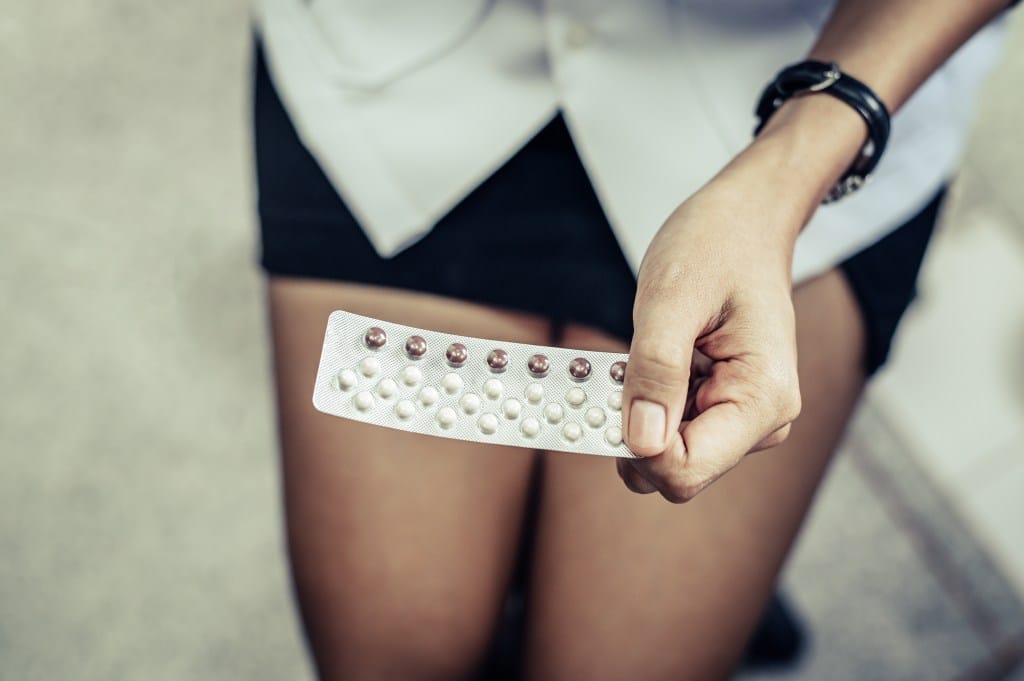
The combination pill (containing both estrogen and progestin) primarily works by stopping ovulation through suppressing the natural hormonal signals that trigger egg release. These pills maintain steady hormone levels that trick your body into thinking ovulation has already occurred. However, progestin-only pills (commonly called mini-pills) have a more variable effect. While they may suppress ovulation in some women, their main contraceptive effects come from thickening cervical mucus (making it harder for sperm to reach an egg) and thinning the uterine lining (making implantation less likely). This is why mini-pills require such strict, timely dosing – if taken late, ovulation might occur.
Ovulation and Other Hormonal Methods
Long-acting reversible contraceptives (LARCs) like hormonal IUDs and implants have different effects on ovulation:
-
Hormonal IUDs (Mirena, Kyleena, etc.) may suppress ovulation in some users, especially in the first year of use, but this isn’t guaranteed. Their primary mechanism is cervical mucus thickening and uterine lining changes.
-
The contraceptive implant (Nexplanon) consistently suppresses ovulation in nearly all users, making it one of the most effective methods.
-
The birth control shot (Depo-Provera) reliably prevents ovulation in about 99% of cycles when administered on schedule.
The copper IUD (Paragard) is unique among common contraceptives because it doesn’t use hormones at all. This means ovulation continues normally – its pregnancy prevention comes from copper ions that are toxic to sperm and create an inhospitable uterine environment.
Why Ovulation Status Matters
Understanding whether your method stops ovulation helps explain:
-
Effectiveness: Methods that consistently block ovulation (like the implant) tend to have lower failure rates
-
Cycle symptoms: You may still experience cycle-related symptoms even on methods that stop ovulation
-
Backup needs: Some methods require more perfect use than others to maintain ovulation suppression
Signs Ovulation Is Over: Know Your Fertile Window Has Closed
Can You Rely on Fertility Awareness on Birth Control?
Traditional fertility awareness methods (tracking cervical mucus, basal body temperature, or LH surges) become unreliable when using hormonal contraception. These methods depend on reading your body’s natural signals, which are altered by hormonal birth control. For instance, you might get what looks like fertile mucus while on the pill, but this doesn’t mean ovulation is occurring. If avoiding pregnancy is crucial, it’s best to use your contraceptive method as directed rather than trying to track ovulation.
What If You Suspect Ovulation on Birth Control?
Some signs might suggest your method isn’t fully suppressing ovulation:
-
Mid-cycle pain or cramping (mittelschmerz)
-
Changes in cervical mucus consistency
-
Regular, predictable “periods” (which are actually withdrawal bleeds on hormonal methods)
If you’re concerned your birth control isn’t working as it should – perhaps you missed pills, got your shot late, or can feel your IUD strings have moved – take a pregnancy test if you have symptoms and consult your healthcare provider. They can check your method is still properly in place and working effectively.
How Cycle Tracking Can Help You Understand Your Birth Control
Tracking your menstrual cycle while on birth control can provide valuable insights into how your body responds to contraception. While hormonal methods often alter or suppress ovulation, keeping a log of symptoms like bleeding patterns, cramps, or cervical mucus changes can help you recognize if your birth control is working as intended. For example, if you’re on the pill but notice mid-cycle ovulation pain or unexpected bleeding, tracking these signs may indicate breakthrough ovulation or method inconsistency.
The Belle App can help monitor these patterns over time, giving you and your healthcare provider clearer data to assess your contraceptive effectiveness. Just remember—while tracking can reveal trends, it shouldn’t replace proper birth control use or medical advice when concerns arise.
The Bottom Line
While the question “Do you still ovulate on birth control?” seems simple, the reality depends entirely on your chosen method. Most hormonal contraceptives are designed to stop ovulation, but this isn’t universal. Even when ovulation does occur, other contraceptive effects (like cervical mucus changes) typically still provide protection. The most important factors are using your method correctly and understanding how it works in your body. If you have specific concerns about ovulation and your contraception, your healthcare provider can offer personalized advice based on your medical history and needs.
FAQs – Do you ovulate on birth control?
Do you ovulate when taking the birth control pill?
Most combination pills (with estrogen and progestin) prevent ovulation as their primary function. However, progestin-only pills (mini-pills) may not consistently suppress ovulation – they mainly work by thickening cervical mucus. Missing pills or taking them at irregular times increases the chance of ovulation occurring.
Can you get pregnant if you ovulate while on birth control?
While ovulation increases pregnancy risk, most hormonal methods have backup protections:
• Thickened cervical mucus blocks sperm
• Thinned uterine lining prevents implantation
• Altered fallopian tube function
The copper IUD is the only method where ovulation continues normally, but its spermicidal effects still provide excellent protection.
How can I tell if I'm ovulating on birth control?
Signs that may suggest ovulation:
• Mid-cycle pain (mittelschmerz)
• Increased libido
• Changes in cervical mucus
• Regular monthly bleeding patterns
However, these signs aren’t reliable indicators on hormonal methods. The only way to confirm is through ultrasound monitoring or hormone testing.
Why do I still get periods if my birth control stops ovulation?
The “period” you experience on hormonal birth control isn’t a true menstrual period – it’s withdrawal bleeding caused by the hormone drop during your placebo week (for pills) or breakthrough bleeding from the uterine lining. This occurs whether or not ovulation has been suppressed. Some methods (like implants or IUDs) may eliminate bleeding entirely over time.