Can You Get Pregnant With an IUD? Understanding the Risks
Can you get pregnant with an IUD? While rare (less than 1% chance), pregnancy is possible if the IUD shifts or expels. Learn the risks.
An IUD (intrauterine device) is one of the most effective forms of birth control, with over 99% effectiveness at preventing pregnancy. However, no method is 100% foolproof—so, can you still get pregnant with an IUD? Here’s what you need to know.
How Effective Are IUDs at Preventing Pregnancy?
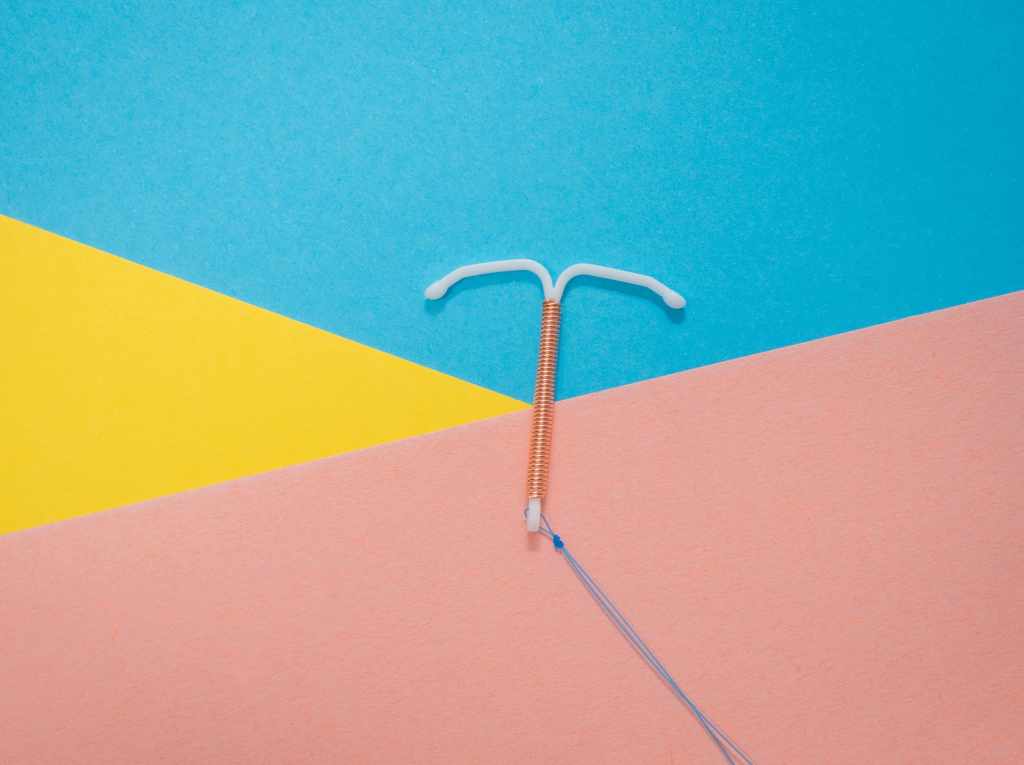
There are two main types of IUDs: hormonal and copper. Hormonal IUDs, such as Mirena, Kyleena, Skyla, and Liletta, release small amounts of progestin, which thickens cervical mucus to block sperm and may sometimes suppress ovulation. These devices have a less than 1% chance of failure per year. Copper IUDs, like Paragard, do not contain hormones but instead release copper ions that create an environment toxic to sperm, preventing fertilization. Their failure rate is slightly higher but still minimal, at around 0.8% annually.
Despite these high success rates, pregnancies can still occur, usually due to rare circumstances. One possibility is partial or complete expulsion of the IUD, which sometimes happens without noticeable symptoms. If the device shifts or falls out, its contraceptive protection is lost. Another risk factor is improper insertion—if the IUD is not placed correctly by a healthcare provider, it may not work as intended. Additionally, using an IUD beyond its recommended lifespan (typically 3–10 years, depending on the type) can reduce its effectiveness.
What Are the Risks if Pregnancy Occurs With an IUD?
If a pregnancy develops while an IUD is in place, it carries certain risks that require immediate medical attention. One major concern is ectopic pregnancy, where the fertilized egg implants outside the uterus, usually in a fallopian tube. This is a life-threatening condition that requires urgent treatment. Even if the pregnancy is intrauterine (inside the uterus), the presence of an IUD increases the likelihood of miscarriage, infection, or preterm labor. For these reasons, doctors often recommend removing the IUD as soon as a pregnancy is confirmed, if possible.
Can You Get Pregnant With an IUD While Ovulating?
A common question is whether ovulation affects the IUD’s effectiveness. Hormonal IUDs may sometimes suppress ovulation, but this is not their primary mechanism of action. Copper IUDs do not interfere with ovulation at all—instead, they prevent sperm from reaching and fertilizing an egg. So while ovulation can still occur with an IUD in place, the device creates a hostile environment for conception.
How to Minimize the Risk of Pregnancy With an IUD
To ensure your IUD remains as effective as possible, there are several precautions you can take. First, check the device’s strings monthly to confirm it hasn’t shifted or expelled. If you cannot feel the strings or notice they have become longer or shorter, consult your healthcare provider. Some women choose to use backup contraception, such as condoms, for added protection, especially if they have a history of IUD expulsion. Finally, scheduling regular check-ups with your doctor can help verify that the IUD is correctly positioned and functioning as intended.
Final Thoughts
While IUDs are one of the most dependable birth control options available, no method is entirely without risk. If you experience symptoms such as a missed period, unusual pelvic pain, or signs of pregnancy while using an IUD, seek medical advice promptly. Many women share their experiences and concerns about IUDs on platforms like Reddit, offering valuable insights and support. Remember that staying informed and proactive about your reproductive health is the best way to ensure peace of mind.
You might find this interesting: PMDD and Pregnancy: How Hormones Impact Symptoms
FAQs Can You Get Pregnant With an IUD
How effective is an IUD at preventing pregnancy?
IUDs are among the most reliable birth control methods, with hormonal IUDs (like Mirena) being over 99% effective and copper IUDs (like Paragard) about 99.2% effective. This means fewer than 1 in 100 women using an IUD will get pregnant each year. However, rare cases of pregnancy can occur if the IUD shifts, expels, or wasn’t properly inserted.
What are the signs that my IUD has failed?
Possible signs include:
-
A missed period or positive pregnancy test
-
Inability to feel the IUD strings (or strings that feel longer/shorter)
-
Severe cramping or unusual bleeding
If you experience these symptoms, take a pregnancy test and see your doctor immediately—especially to rule out an ectopic pregnancy, which is a medical emergency.
Can you get pregnant with an IUD if you’re ovulating?
Yes, but it’s extremely unlikely. Hormonal IUDs may suppress ovulation in some users, while copper IUDs don’t affect ovulation at all—instead, they prevent sperm from fertilizing an egg. Even if ovulation occurs, the IUD’s primary mechanisms (thickened cervical mucus or copper ions) still block pregnancy.
What should I do if I get pregnant with an IUD?
-
Confirm the pregnancy with a test and ultrasound (to check for ectopic pregnancy).
-
See your doctor ASAP—they’ll likely remove the IUD if possible, as leaving it in raises risks of miscarriage or infection.
-
Monitor for warning signs like sharp pelvic pain or heavy bleeding, which could indicate an ectopic pregnancy.