Does Progesterone Make You Cry?
Does progesterone make you cry? Learn how hormonal fluctuations, especially progesterone sensitivity, can trigger emotional symptoms.
Hormonal fluctuations are a normal part of life… but, does progesterone make you cry? For women during their reproductive years. Among these hormones, progesterone plays a vital role, not only in fertility and pregnancy but also in mood regulation.
The short answer: Yes, for some women, progesterone can trigger intense emotional reactions, including crying, mood swings, sadness, and even depression. These responses are linked to progesterone sensitivity, a condition often misunderstood and underdiagnosed.
In this article, we’ll explore what the research says about progesterone’s emotional effects, its relationship with disorders like PMS (premenstrual syndrome) and PMDD (premenstrual dysphoric disorder), and what can be done to manage these mood changes effectively.
What Is Progesterone?
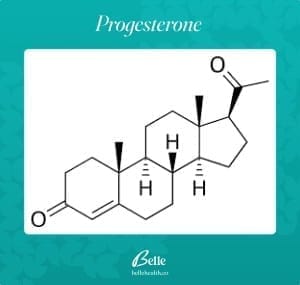
Progesterone is a naturally occurring steroid hormone produced primarily in the ovaries after ovulation (the luteal phase of the menstrual cycle). It is crucial for preparing the body for pregnancy. Its key roles include:
- Thickening the uterine lining for implantation
- Supporting early pregnancy
- Regulating the menstrual cycle
- Modulating immune responses
However, beyond reproductive functions, progesterone also influences brain chemistry, particularly in areas that regulate emotion, cognition, and behavior.
The Progesterone-Mood Connection
Hormones like progesterone don’t just act on the reproductive organs; they also interact with neurotransmitters in the brain. One such pathway involves GABA (gamma-aminobutyric acid), a neurotransmitter that produces calming effects.
Progesterone’s Calming vs. Agitating Effects
In most women, rising progesterone during the luteal phase calms the brain, helping with sleep and reducing anxiety.
In progesterone-sensitive women, the hormone’s metabolites can trigger heightened emotional activity, resulting in:
- Irritability
- Anxiety
- Sadness
- Emotional crying
- Feeling overwhelmed or out of control
This paradoxical response—where a hormone meant to calm actually destabilizes—has been linked to underlying genetic and neurochemical factors, as outlined in research from Frontiers in Neuroendocrinology (2008) and Frontiers in Psychology (2019).
What Is Progesterone Sensitivity?
Progesterone sensitivity refers to an exaggerated emotional or physical response to normal fluctuations of progesterone. This sensitivity can lead to symptoms associated with PMS, PMDD, or Premenstrual Exacerbation (PME).
Common Emotional Symptoms Include:
- Sudden crying spells
- Depression or low mood
- Intense irritability or anger
- Anxiety or panic
- Heightened emotional sensitivity
- Social withdrawal or rejection sensitivity
These symptoms typically emerge in the luteal phase (the two weeks before menstruation) and disappear or lessen once the period begins.
Prevalence:
- 30% of women experience enough symptoms to meet the criteria for PMS
- 5–8% suffer from PMDD, a severe, often debilitating form of PMS
- The number of women affected by PME is unknown but estimated to be significant
Why Does Progesterone Make You Cry?
The science points to neurological and genetic explanations:
1. Brain Imaging Studies
Functional MRI studies show increased activity in the amygdala and emotional centers of the brain during the luteal phase in women with PMDD—particularly in response to progesterone.
2. Hormone Receptor Differences
According to a 2015 study in Current Psychiatry Reports, progesterone receptor sensitivity and expression differ between women with PMDD and those without symptoms.
3. Neurosteroid Metabolites
Progesterone breaks down into allopregnanolone, which modulates GABA-A receptors. In sensitive individuals, this can cause paradoxical excitability, leading to anxiety and crying rather than calm.
Mood Disorders and Progesterone
Progesterone fluctuations do not act in isolation—they often interact with existing mental health vulnerabilities.
1. PMDD (Premenstrual Dysphoric Disorder)
A DSM-5-recognized mood disorder characterized by:
- Depressed mood
- Tearfulness
- Mood swings
- Interpersonal conflict
- Suicidal thoughts
PMDD is not caused by hormone imbalance, but rather an abnormal reaction to normal hormone levels.
2. Postpartum Depression (PPD)
After childbirth, progesterone levels plummet. Research from Archives of Women’s Mental Health (2013) shows a strong link between severe PMS/PMDD and increased PPD risk.
3. Perimenopause & Menopause
As progesterone declines in midlife, mood instability can worsen. A 10-year longitudinal study (SWAN Study, 2011) found that hormonal fluctuations during perimenopause are strongly associated with depression and emotional lability.
4. Polycystic Ovary Syndrome (PCOS)
Women with PCOS often have lower progesterone due to anovulatory cycles. PCOS is also correlated with higher rates of anxiety and depression, although the mechanism is not fully understood (CDC, 2020).
Can Progesterone-Based Treatments Make You Cry?
1. Hormonal Contraceptives
- Progestin-only birth control (a synthetic form of progesterone) has been linked to mood changes in some women:
- Depression
- Anxiety
- Mood swings
- Crying spells
A 2018 pilot study (IJERPH) found a potential association between progestin-only contraceptives and biomarkers for depression.
2. Hormone Replacement Therapy (HRT)
In menopause, HRT containing synthetic progestogens may provoke emotional disturbances in sensitive women. Body-identical progesterone (e.g., Utrogestan) is often better tolerated.
How to Know if You’re Progesterone Sensitive
You might be progesterone sensitive if you notice:
- Emotional breakdowns or crying fits before your period
- Mood changes after starting a hormonal contraceptive
- Anxiety or depression during pregnancy or after childbirth
- Sudden mood drops during perimenopause
A helpful tool is a symptom diary—tracking your mood across your cycle for at least two to three months. Download Belle now!
What Can Be Done About It?
1. Lifestyle Adjustments
Sleep: Maintain regular patterns
Exercise: Reduces stress and supports mood
Diet: Limit sugar and caffeine; increase omega-3s
Mindfulness: Meditation and breathing exercises can regulate mood
2. Medical Management
SSRIs (Selective Serotonin Reuptake Inhibitors): Shown to be effective in PMDD when taken during the luteal phase
Hormonal Options:
Transdermal estrogen + progesterone IUD: Can reduce ovulation and stabilize hormone levels
GnRH agonists (e.g., Zoladex, Prostap): Suppress ovulation entirely; used in severe PMDD cases
Hysterectomy with oophorectomy: Considered a last resort in extreme, treatment-resistant cases
3. Alternative Options
Cognitive Behavioral Therapy (CBT): Shown to be effective in treating PMDD symptoms
Supplements: Some evidence supports calcium, magnesium, and vitamin B6, though results are mixed
The Takeaway
Does progesterone make you cry? For many women, yes—especially those with underlying progesterone sensitivity. This is not a weakness or overreaction, but a documented biochemical reality. The emotional upheaval some women feel during their menstrual cycles, pregnancy, or menopause is real and can be traced back to how their brains respond to hormonal shifts.
It’s crucial to:
- Recognize the symptoms
- Get properly diagnosed (especially with PMDD or PME)
- Explore individualized treatment options
- Speak with a healthcare provider who understands hormonal mental health
You’re not alone, and it’s not “just in your head.”