Does Progesterone Make You Emotional?
Learn how progesterone makes you emotional, why it may cause mood swings, and how to manage emotional side effects naturally.
Hormones play a powerful role in regulating emotions, and progesterone is no exception. Many women wonder: Does progesterone make you emotional? The short answer is yes—it can.
This article explores how progesterone affects mood, why it might cause emotional changes, and what you can do to manage its effects.
Read more about Progesterone Moodiness: How Hormones Affect Emotions and High Progesterone Symptoms
What Is Progesterone and What Does It Do?
Before diving into its emotional effects, let’s cover progesterone function:
- Regulates the menstrual cycle (prepares the uterus for pregnancy).
- Supports pregnancy (maintains the uterine lining).
- Balances estrogen (prevents estrogen dominance).
- Affects neurotransmitters (GABA, serotonin—key for mood stability).
Why Does Progesterone Affect Emotions?
Progesterone interacts with brain chemicals that influence mood. Here’s how:
1. Boosts GABA (The Calming Neurotransmitter)
-
Progesterone enhances GABA, which promotes relaxation.
-
But too much can cause drowsiness or mood swings.
2. Can Cause “Progesterone Blues”
-
Some women feel more emotional, weepy, or irritable when progesterone levels rise (especially before menstruation or during pregnancy).
-
This is why PMS and postpartum mood swings are common.
3. May Trigger Anxiety or Depression in Some
- While progesterone usually has a calming effect, sudden drops (like after childbirth or stopping hormonal therapy) can lead to mood dips.
4. Interacts with Estrogen (Affecting Mood Swings)
- Estrogen and mood are closely linked—when progesterone rises, estrogen drops, which can cause emotional fluctuations.
Does Taking Progesterone Make You Emotional?
If you’re on progesterone therapy (pills, creams, or IUDs), you might notice:
- Mood swings (especially in the first few weeks).
- Increased calmness (due to GABA effects).
- Fatigue or irritability (if levels are too high).
Note: Synthetic progestins (like in birth control) may have stronger mood effects than natural progesterone.
Can Progesterone Increase Libido?
Interestingly, while progesterone is often linked to mood changes, it can also affect sex drive:
✅ Moderate levels may boost libido (by balancing estrogen).
❌ Very high levels (like in pregnancy) can lower it.
How to Manage Progesterone-Related Mood Swings
If progesterone makes you overly emotional, try:
- Magnesium & B6 – Support GABA and reduce irritability.
- Lifestyle adjustments – Stress management, sleep, and exercise help.
- Hormone testing – Check if your estrogen and progesterone are balanced.
- Talk to your doctor – Adjusting dosage or switching to bioidentical progesterone may help.
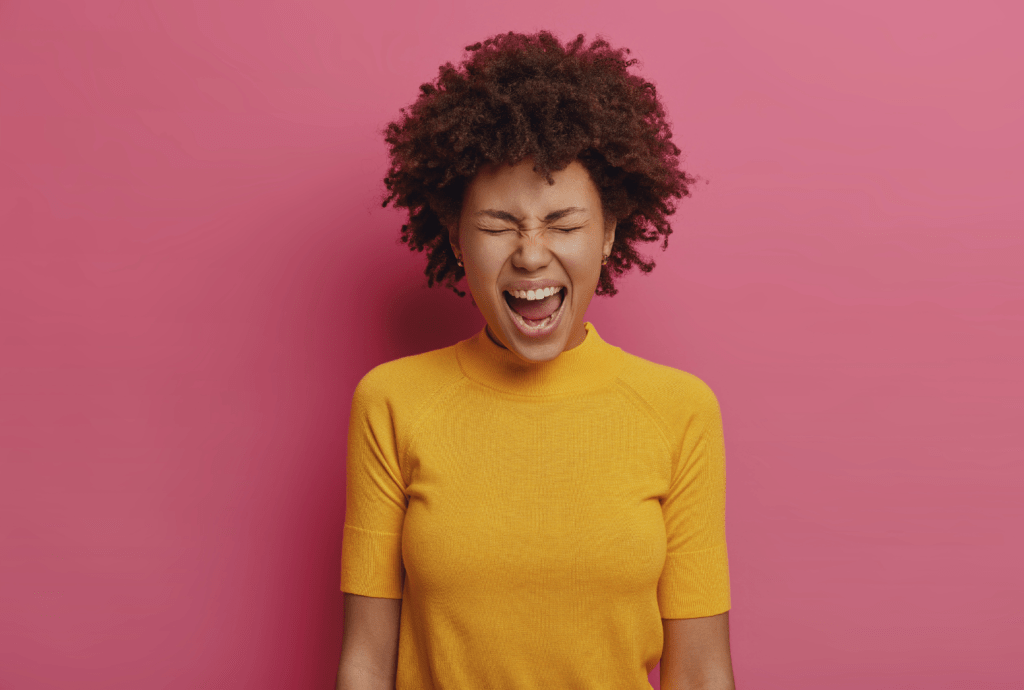
Conclusion: Does Progesterone Make You Emotional?
Yes—progesterone can impact mood, but effects vary. Some feel calmer, while others experience mood swings, anxiety, or fatigue.
If you’re struggling with emotional side effects, track your symptoms and discuss options with your healthcare provider.
Have you experienced mood changes from progesterone? Share your story below!
FAQ Progesterone Make You Emotional
How long do progesterone mood swings last?
Usually a few days to weeks as your body adjusts. Postpartum or cycle-related swings may resolve as hormones stabilize.
Does natural progesterone cause fewer mood effects than synthetic?
Often yes—bioidentical progesterone tends to have milder side effects.
Can progesterone help with anxiety?
For some, yes (due to GABA effects), but others may feel worse—individual responses vary.