Bad PMS Symptoms All of a Sudden: What Could It Be
Experiencing bad PMS symptoms all of a sudden? Learn the possible causes — including stress, hormonal shifts, PMDD, and lifestyle changes.
If you’re thinking “why are my PMS symptoms suddenly so bad?”, you’re not alone. Many people experience unexpected flare-ups, even if their cycle has been stable for years. The good news? Sudden severe PMS almost always has an explanation — and there are practical ways to get your cycle back on track.
PMS can already be annoying on a good month — but when your symptoms suddenly hit harder than usual, it can feel like your body switched to “chaos mode” overnight.
Below is a deep dive into what can cause a sudden spike in PMS intensity, when to worry, and how tools like the Belle App and our free PMDD/PMS assessment can help make sense of the chaos.
What Counts as “Bad PMS Symptoms”?
When PMS takes an unexpected turn, symptoms often include:
-
Mood swings that feel stronger or more rapid
-
Irritability or anger out of nowhere
-
Feeling overwhelmed or unusually emotional
-
Bloating that appears overnight and doesn’t ease
-
Sleep disturbances
-
Intense fatigue
-
Breast tenderness
-
Headaches or migraines
-
Anxiety or depressive symptoms
-
Food cravings and blood sugar crashes
-
Difficulty concentrating (“brain fog”)
If these feel much worse than usual, that’s your sign something shifted in your body, lifestyle, or environment.
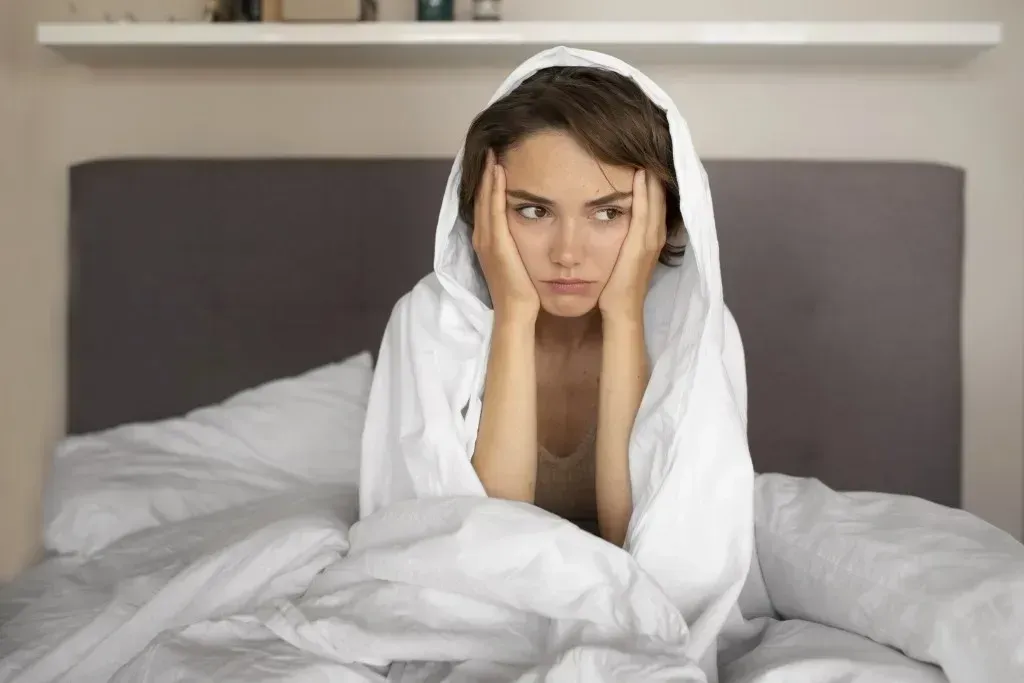
Why Are My PMS Symptoms Suddenly So Bad?
Let’s break down the most common reasons behind sudden PMS intensity.
1. Stress — both short-term and chronic
Stress hormones (especially cortisol) directly interfere with estrogen and progesterone.
When cortisol spikes, PMS often becomes:
-
heavier
-
more emotional
-
more chaotic
-
longer
Life transitions like work pressure, relationship stress, burnout, or emotional overload can all exaggerate PMS symptoms.
2. Changes in sleep patterns
Your cycle is extremely tied to your circadian rhythm.
Poor sleep can cause:
-
more cravings
-
mood instability
-
bloating
-
fatigue
-
worsened cramps
Even 2–3 nights of bad sleep can make PMS feel much more intense than usual.
3. A shift in exercise habits
Both extremes affect PMS:
-
stopping or reducing activity → more bloating, irritability, and sluggishness
-
suddenly increasing intense workouts → hormone disruption, fatigue, irregular cycles
Your body likes consistency. Sudden change = sudden symptoms.
4. Dietary changes & nutrient deficiencies
Low levels of certain nutrients can intensify PMS:
-
Magnesium
-
Vitamin B6
-
Omega-3s
-
Iron
-
Vitamin D
Plus, a sudden increase in ultra-processed foods, alcohol, or high-sugar days can throw off blood sugar and worsen PMS almost immediately.
5. Coming off (or changing) hormonal birth control
If you’ve recently:
-
stopped the pill
-
changed brands
-
used emergency contraception
-
switched hormonal methods
…your hormones may be recalibrating. That adjustment period often causes a temporary spike in PMS symptoms.
6. Perimenopause (yes, even early-onset)
Perimenopause can begin earlier than many people expect — even late 20s to 30s for some.
Symptoms often look like:
-
intense mood swings
-
heavier fatigue
-
irregular cycles
-
night sweats
-
worse PMS than ever
If you’re over 30 and things feel “off,” this may be worth exploring.
7. Thyroid changes
Hypothyroidism and hyperthyroidism both influence:
-
mood
-
energy
-
bloating
-
cycle regularity
Thyroid shifts can create sudden PMS flare-ups.
8. You may actually be experiencing PMDD
PMDD (Premenstrual Dysphoric Disorder) is often mistaken for “really bad PMS.”
But PMDD has:
-
severe mood changes
-
big emotional crashes
-
irritability that feels unmanageable
-
hopelessness or depressive feelings
-
anxiety spikes
-
symptoms that disappear once your period starts
PMDD can also start suddenly, even if you had mild PMS your entire life.
If this sounds familiar, you might want to take our free PMDD self-assessment, which can help you understand your symptoms more clearly.
9. Post-illness or immune shifts
Viruses, infections, and inflammation (including long COVID–like symptoms) can temporarily disrupt hormones.
When your immune system is stressed, PMS gets louder.
10. Underlying conditions like PCOS or endometriosis
Both conditions can cause:
-
mood swings
-
bloating
-
pain
-
irregular cycles
-
inflammation
And sometimes, symptoms appear more intensely before you’ve ever been diagnosed.
Bad PMS Symptoms All of a Sudden: When Should You Worry?
It’s worth talking to a healthcare professional if:
-
Your symptoms suddenly interfere with daily life
-
You’re crying or overwhelmed for days at a time
-
You feel disconnected from yourself
-
The pain is sharp, heavy, or unusual
-
Your cycle becomes irregular
-
Depression or anxiety spikes once per month
-
Symptoms disappear as soon as your period starts (a PMDD red flag)
How to Ease Sudden Bad PMS Symptoms
Below are approaches that help most people feel better within 1–3 cycles.
1. Track your symptoms daily
This is the #1 strategy for identifying patterns, triggers, and your unique hormonal rhythm.
The Belle App was designed exactly for this:
-
helps track symptoms
-
shows how mood/body shifts relate to hormonal phases
-
gives phase-based guidance
-
reduces the feeling of “why am I like this right now??”
Over time, tracking gives you clarity and control instead of surprise flare-ups.
2. Cycle-sync your lifestyle gently
Small changes make a big difference:
-
luteal phase → more rest, grounding food, gentler exercise
-
follicular phase → more energy + social plans
-
ovulation → peak productivity (and often cravings for connection)
Belle helps you do this without overthinking it.
3. Get consistent with stress + sleep routines
Two non-negotiables to stabilize hormones:
-
7–8 hours of stable sleep
-
stress relief that actually works for you
(breathwork, slower mornings, mindfulness, walks, etc.)
4. Support your body nutritionally
Magnesium + B6 are well-researched for reducing PMS severity.
Omega-3s and iron (if you’re low) help too.
5. Explore whether PMDD fits your symptoms
If your emotional symptoms are extreme or affect your relationships, work, or mental health, it’s worth checking.
Take our free PMDD test— it’s fast and gives you clearer direction
FAQs: Bad PMS Symptoms All of a Sudden
Why do I get bad PMS symptoms all of a sudden?
Sudden PMS flare-ups can be triggered by stress, poor sleep, diet changes, hormonal fluctuations, or conditions like PMDD. Tracking your symptoms in the Belle App helps you understand what changed and why your PMS suddenly feels worse.
Can PMDD cause bad PMS symptoms all of a sudden?
Yes. PMDD can appear even if your PMS was previously mild. If your symptoms feel extreme or emotionally intense, try our free PMDD/PMS test and use the Belle App to monitor your cycle for PMDD-like patterns.
Is it normal for PMS symptoms to suddenly get worse with age?
It can be. Hormonal shifts, stress, lifestyle changes, and early perimenopause can all cause PMS to suddenly intensify. The Belle App helps you track long-term trends and understand if these changes are part of a new hormonal pattern.
How can the Belle App help if my PMS symptoms suddenly got worse?
The Belle App lets you log symptoms, mood, cravings, energy, and sleep so you can pinpoint triggers behind sudden PMS flare-ups. It also offers cycle-based recommendations to help you manage and reduce discomfort.
When should I seek help for bad PMS symptoms all of a sudden?
If the sudden worsening impacts your daily life or resembles PMDD, consider talking to a healthcare provider. Use the Belle App’s symptom tracking and take our free PMDD/PMS test to get clearer insight before your appointment.