Could it be PMDD? 6 Symptoms to Look Out For
Could it be PMDD? Learn about 6 key symptoms of PMDD, including mood swings, irritability, anxiety, and physical discomfort.
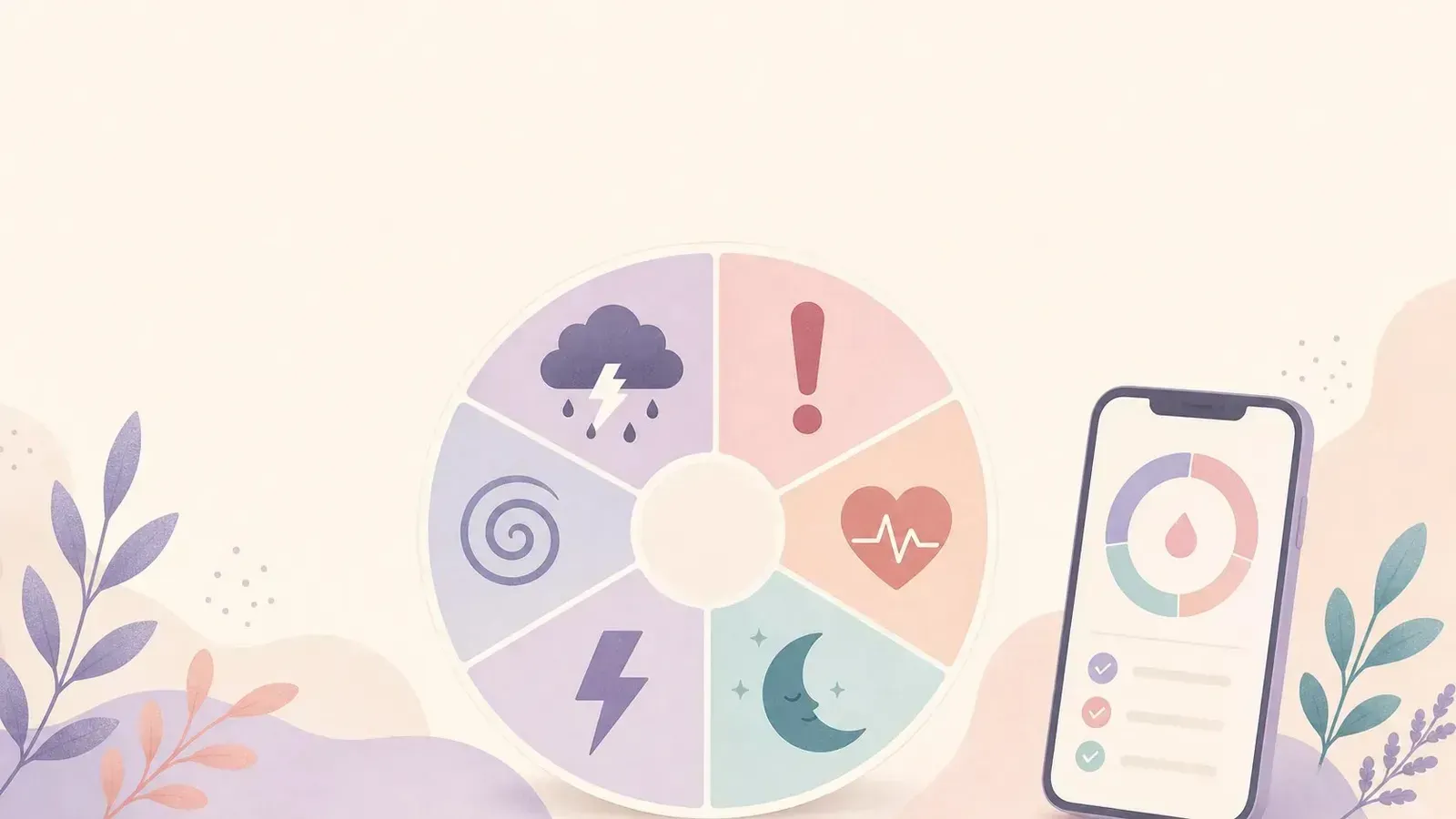
Premenstrual Dysphoric Disorder (PMDD) is a severe form of premenstrual syndrome (PMS) that affects about 3-8% of women of reproductive age.
While some premenstrual symptoms are common, PMDD goes beyond typical discomfort, significantly impacting emotional and physical well-being. If you notice recurring symptoms tied to your menstrual cycle, you may be wondering, “Could it be PMDD?” Here are six key symptoms to watch for.
1. Mood Swings
Feeling like you’re on an emotional rollercoaster before your period? Sudden, intense changes in mood, such as switching from happy to sad or irritable in a short period, are common in PMDD.
These emotional shifts can be overwhelming, leading to strained relationships and making daily tasks feel daunting.
2. Irritability
With PMDD, irritability is more than just a bad mood—it’s a persistent feeling of anger or frustration that can make even small interactions stressful. You might notice you’re more likely to snap at friends, family, or coworkers.
This irritability is one of the most common and distressing symptoms.
3. Anxiety
Many people with PMDD experience heightened anxiety in the days leading up to their period. This isn’t the typical worry about an upcoming event—it’s a deeper, often irrational sense of unease or panic that can make it hard to relax, sleep, or concentrate.
4. Feeling Overwhelmed
PMDD can bring a crippling sense of being out of control or overwhelmed. Tasks that are usually manageable may suddenly feel impossible. This mental exhaustion, coupled with emotional symptoms, can make it difficult to keep up with everyday responsibilities at work, school, or home.
5. Physical Symptoms
PMDD isn’t only about emotional and mental distress. Physical symptoms can also be severe and include:
Breast tenderness or swelling
Bloating
Headaches
Muscle or joint pain
Fatigue or lethargy
These physical symptoms often worsen as your period approaches and can make it hard to stay active or comfortable.
6. Food Cravings
Sudden and intense cravings, especially for sweet or carb-heavy foods, are another symptom. While cravings are common in PMS, those associated with PMDD are more intense and may lead to overeating, causing additional emotional distress.
Is It PMDD or Something Else?
The key difference between PMDD and other mental health conditions is that PMDD symptoms are cyclical, appearing during the luteal phase of your menstrual cycle and disappearing once your period starts.
If your symptoms persist throughout the month or don’t align with your cycle, it may indicate another condition, such as generalized anxiety or depression.
Getting a PMDD Diagnosis
If you suspect PMDD, tracking your symptoms over two consecutive menstrual cycles is critical for diagnosis. Doctors typically recommend maintaining a detailed diary or using a daily symptom tracker, like the Daily Record of Severity of Problems (DRSP), to note emotional, behavioral, and physical changes. This information helps identify the patterns necessary to confirm PMDD.
Community Feedback: Living with PMDD
People living with PMDD often share similar experiences of frustration, relief, and support from online and local communities. Here’s what some community members have said:
“I thought I might be bipolar before I found out about PMDD.”
“I just met with a provider at the VA who specializes in menopause but recognized my symptoms were in fact PMDD and helped get me medication. I told her about this app and how it’s helped me track my cycles more closely. She’s going to check it out!”
Treatment and Support
While there is no cure for PMDD, treatment options range from lifestyle changes like exercise and diet adjustments to medications such as antidepressants or hormonal therapies.
Many people also find relief by joining online communities where they can share experiences, get advice, and receive emotional support from others who truly understand the condition.
Conclusion
If you’re dealing with mood swings, irritability, anxiety, and physical discomfort every month, it could be PMDD. Keeping track of your symptoms and seeking a professional diagnosis are the first steps toward managing your condition.
While living with PMDD can be challenging, knowing you’re not alone—and hearing from others who have found relief—can make the journey more manageable.