13 DPO Cervical Mucus: What to Expect in Early Pregnancy
13 DPO cervical mucus can mean early pregnancy! Discover how implantation discharge differs from PMS and what creamy or watery mucus means.
At 13 DPO (days past ovulation), many women closely monitor their cervical mucus for signs of early pregnancy. Changes in discharge can sometimes indicate implantation or hormonal shifts related to pregnancy. Understanding what is normal and what could be a sign of pregnancy can help ease concerns during the two-week wait (TWW).
13 DPO Cervical Mucus Early Pregnancy: What’s Normal?
After ovulation, progesterone rises, leading to thicker, creamier, or sticky discharge after ovulation. However, if conception occurs, hormonal changes may alter cervical mucus again.
At 13 DPO, some women notice:
- Increased creamy or milky discharge – A common secondary effect of rising progesterone.
- Watery or slippery mucus – Sometimes mistaken for fertile mucus but caused by hormonal fluctuations.
- Pink or brown spotting – Light discharge during implantation (implantation bleeding) may occur around 7–12 DPO.
Can Discharge Be a Sign of Pregnancy?
While cervical mucus alone isn’t a definitive way to confirm pregnancy, certain changes in texture, amount, and consistency may offer early clues for some people. After ovulation, the hormone progesterone rises — and if pregnancy occurs, it remains elevated. This hormonal shift can affect cervical mucus in a few notable ways:
✔ Thick, white, or creamy discharge – A common early sign, this type of mucus is often the result of sustained high progesterone levels after implantation. It may appear milky and lotion-like and is usually odorless and mild.
✔ Increased discharge – Some people notice a greater volume of vaginal mucus in early pregnancy. This happens because of increased blood flow to the pelvic area and rising estrogen levels, which stimulate the cervix to produce more fluid.
✔ Sticky or dry mucus – If pregnancy hasn’t occurred, progesterone levels begin to drop before your period, often resulting in drier or stickier discharge, or even a complete absence of cervical mucus in the days leading up to menstruation.
That said, everyone’s body is different. Some people may experience noticeable changes in cervical mucus after conception, while others don’t notice any difference at all. The absence of unusual discharge doesn’t necessarily mean you’re not pregnant — and the presence of discharge changes isn’t a guaranteed sign either. To confirm pregnancy, it’s always best to take a home pregnancy test or consult with a healthcare provider.
Implantation Discharge vs. PMS Symptoms
At 13 DPO, it can be hard to distinguish between early pregnancy and premenstrual symptoms. Key differences include:
- Implantation bleeding – Light spotting (pink/brown) around 10–12 DPO.
- Pregnancy-related mucus – More abundant, milky, or creamy.
- PMS discharge – Often dries up before menstruation begins.
When to Take a Pregnancy Test
Since 13 DPO is close to the expected period, a pregnancy test may now be accurate. For best results:
- Use first-morning urine (highest hCG concentration).
- Opt for a sensitive early-detection test.
- Retest in 2 days if negative but symptoms persist.
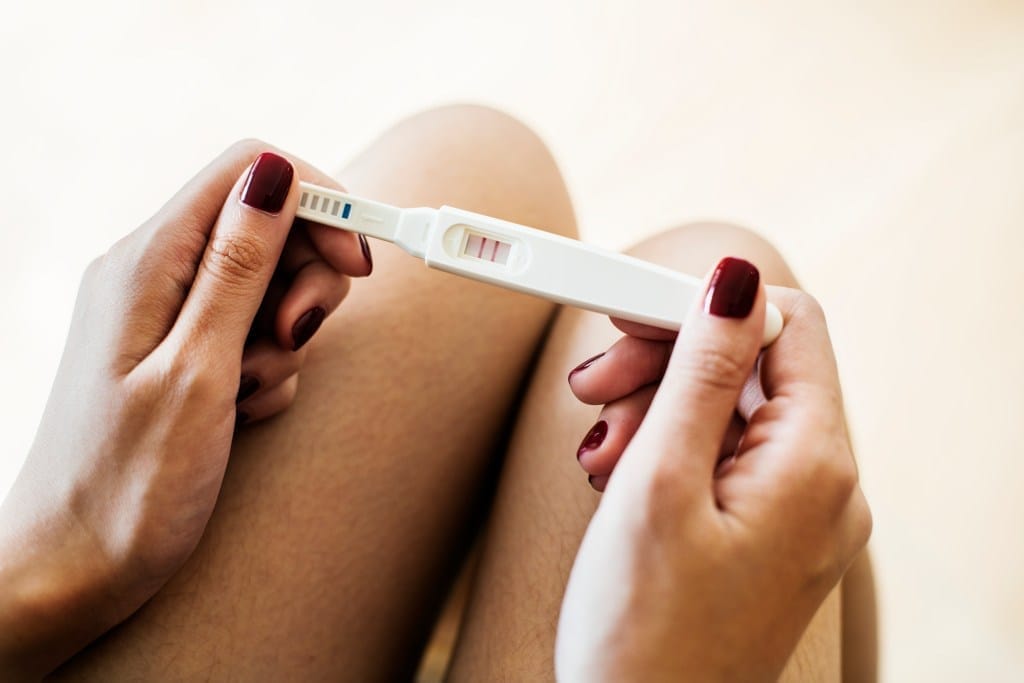
Conclusion 13 DPO Cervical Mucus
At 13 DPO, cervical mucus can vary, but creamy, milky, or increased discharge may be an early sign of pregnancy. While changes in mucus can be promising, a pregnancy test is the most reliable confirmation. If you notice unusual symptoms, tracking them alongside other signs (like sore breasts or fatigue) can provide more clues before testing.
FAQs
Can cervical mucus at 13 DPO indicate pregnancy?
Yes, changes in cervical mucus at 13 DPO can sometimes be an early sign of pregnancy. Thick, creamy, or milky discharge may occur due to rising progesterone levels. However, some women experience no noticeable changes, so a pregnancy test is the most reliable confirmation.
What does implantation discharge look like at 13 DPO?
Discharge during implantation typically appears as light pink or brown spotting and occurs around 7–12 DPO. By 13 DPO, implantation bleeding usually stops, but some women may still notice slight changes in mucus consistency, such as increased creamy or sticky discharge.
Is watery discharge at 13 DPO a pregnancy symptom?
Watery discharge can happen due to hormonal fluctuations, whether pregnant or not. While some women experience increased discharge in early pregnancy, watery mucus alone isn’t a definitive sign. If accompanied by other symptoms (like fatigue or breast tenderness), it could suggest pregnancy.
How can I tell the difference between pregnancy discharge and PMS at 13 DPO
- Pregnancy-related discharge: Often thicker, creamier, and more abundant due to sustained progesterone.
- PMS discharge: Typically dries up or becomes sticky before menstruation begins.
If you notice light spotting (implantation bleeding) or persistent creamy mucus, it might indicate pregnancy, but a test is needed for confirmation.