Where Is the Uterus Located?
Understanding where the uterus is located can help you better make sense of menstrual cycles, pregnancy, pelvic pain, and gynecological exams. Many people know the uterus plays a central role in reproduction, but fewer understand its exact position in the body, how it relates to other organs, and how its location can vary from person to person.
This article explains where the uterus is located, how it sits inside the pelvis, what organs surround it, and why its position matters for health and symptoms.
What Is the Uterus?
The uterus is a muscular, hollow organ in the female reproductive system. Its primary functions include:
-
Supporting menstruation
-
Allowing implantation and growth of a fertilized egg
-
Expanding during pregnancy
-
Contracting during labor to help deliver a baby
The uterus is sometimes called the womb, and it plays a central role in reproductive and hormonal health.
Where Is the Uterus Located in the Body?
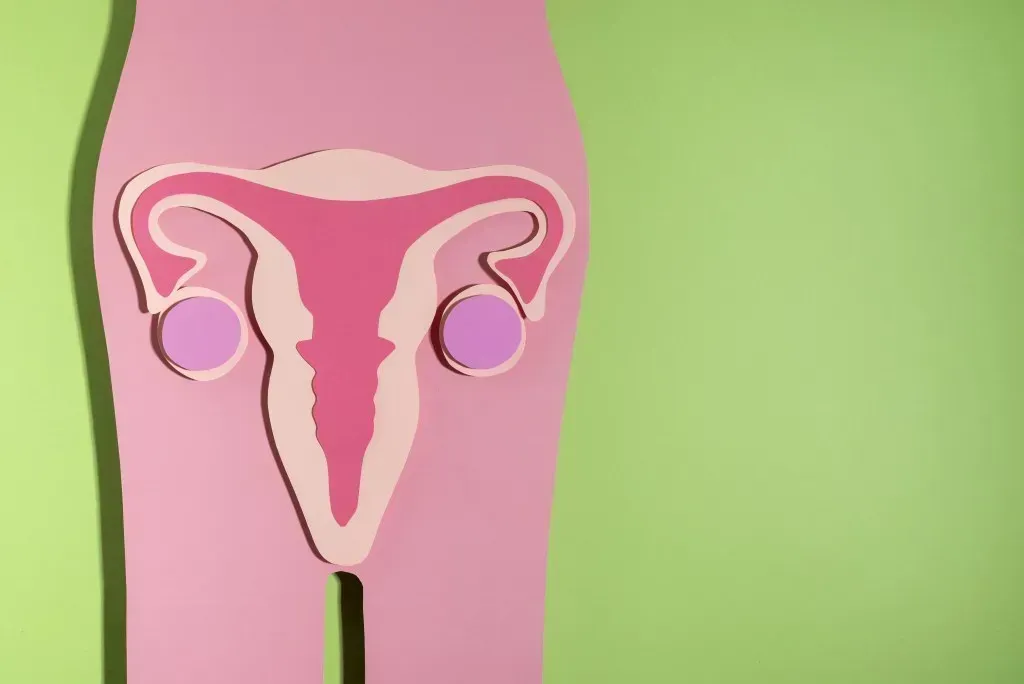
The uterus is located in the pelvic cavity, which is the lower part of the torso between the hips.
More specifically, the uterus sits:
-
Behind the bladder
-
In front of the rectum
-
Above the vagina
-
Below the intestines
It is positioned centrally in the pelvis, making it well-protected by the pelvic bones while remaining flexible enough to expand during pregnancy.
Exact Anatomical Position of the Uterus
In anatomical terms, the uterus is found:
-
Inferior to (below) the abdominal organs
-
Posterior to (behind) the bladder
-
Anterior to (in front of) the rectum
The uterus connects to the vagina through the cervix, which extends downward, while the upper part of the uterus connects to the fallopian tubes, leading toward the ovaries on each side.
Where Is the Uterus Located Relative to Other Organs?
Understanding the uterus in relation to nearby organs helps explain symptoms like pressure, pain, or urinary changes.
Uterus and Bladder
The bladder sits directly in front of the uterus. When the uterus enlarges (for example, during pregnancy or due to fibroids), it can press against the bladder and cause:
-
Frequent urination
-
Urgency
-
Difficulty fully emptying the bladder
Uterus and Rectum
The rectum lies behind the uterus. Changes in uterine size or position may cause:
-
Rectal pressure
-
Constipation
-
Pain during bowel movements
Uterus and Ovaries
The ovaries are located on either side of the uterus, slightly higher in the pelvis. They are connected by ligaments and the fallopian tubes.
Where Is the Uterus Located During Pregnancy?
During pregnancy, the uterus changes location dramatically.
-
Early pregnancy: The uterus remains in the pelvis
-
Second trimester: It rises into the abdominal cavity
-
Third trimester: It can reach the rib cage
As the uterus expands upward, it pushes other organs aside, which explains symptoms like:
-
Shortness of breath
-
Heartburn
-
Rib discomfort
After childbirth, the uterus gradually shrinks and returns to its original pelvic position.
Can the Location of the Uterus Vary?
Yes. While the uterus is usually centered in the pelvis, its tilt and orientation can vary.
Common uterine positions include:
-
Anteverted uterus: Tilts forward toward the bladder (most common)
-
Retroverted uterus: Tilts backward toward the spine
-
Mid-position uterus: Sits more upright
These variations are normal and usually do not cause problems.
Does the Location of the Uterus Affect Symptoms?
The location of the uterus can influence how certain symptoms feel.
Depending on its position, a person may experience:
-
Lower abdominal cramps
-
Back pain during periods
-
Pain during sex
-
Pressure during bowel movements
-
Different sensations during pregnancy
However, many people with uterine position variations have no symptoms at all.
How Doctors Determine Where the Uterus Is Located
Healthcare providers can determine the location of the uterus through:
-
Ultrasound imaging
-
MRI scans (when needed)
These methods help assess uterine size, shape, position, and any structural concerns.
Why Knowing Where the Uterus Is Located Matters
Understanding where the uterus is located can help you:
-
Interpret pelvic pain more accurately
-
Understand menstrual and pregnancy-related changes
-
Communicate symptoms clearly to a healthcare provider
-
Reduce anxiety around gynecological exams and imaging results
It also helps people better understand their own anatomy and reproductive health.
When to Seek Medical Advice
While the uterus’s location is usually normal and harmless, you should speak to a healthcare provider if you experience:
-
Severe or persistent pelvic pain
-
Sudden changes in menstrual patterns
-
Pain during sex
-
Abnormal bleeding
-
Pressure that affects bowel or bladder function
These symptoms may not be caused by uterine position alone and should be evaluated.
Key Takeaways: Where Is the Uterus Located?
-
The uterus is located in the pelvic cavity
-
It sits between the bladder and rectum
-
It connects the ovaries and fallopian tubes to the vagina
-
Its position can vary slightly and still be normal
-
During pregnancy, it rises into the abdomen
Knowing where the uterus is located helps you better understand your body, symptoms, and reproductive health throughout different life stages.
FAQs
Where is the uterus located in the female body?
The uterus is located in the pelvis, between the bladder (in front) and the rectum (behind). It sits low in the abdomen and is connected to the vagina through the cervix.
Where is the uterus located during pregnancy?
During pregnancy, the uterus gradually expands upward from the pelvis into the abdominal cavity. As it grows, it rises above the pelvic bones and becomes noticeable in the lower and then upper abdomen.
Where is the uterus located compared to the bladder and intestines?
The uterus is located behind the bladder and in front of the rectum. Because of this position, changes in the uterus—such as growth during pregnancy or fibroids—can affect bladder or bowel pressure.
Where is the uterus located if it is tilted?
Even if the uterus is tilted (anteverted or retroverted), it remains in the pelvis. A tilted uterus simply means it leans forward toward the bladder or backward toward the spine, which is a common and normal variation.
Where is the uterus located and can you feel it?
The uterus is located deep in the pelvis and usually cannot be felt externally. It may become palpable during pregnancy, severe bloating, or certain medical conditions, but normally it is not noticeable to touch.