Can a Woman Get Pregnant After Menopause?
Is pregnancy possible after menopause? Understand the limitations of natural conception and the role of IVF in postmenopausal fertility.
Menopause marks the end of a woman’s reproductive years, but questions about fertility often linger. Can pregnancy happen naturally after menopause? What role do fertility treatments play? Let’s explore the answers to these questions and more.
Understanding Menopause and Its Stages
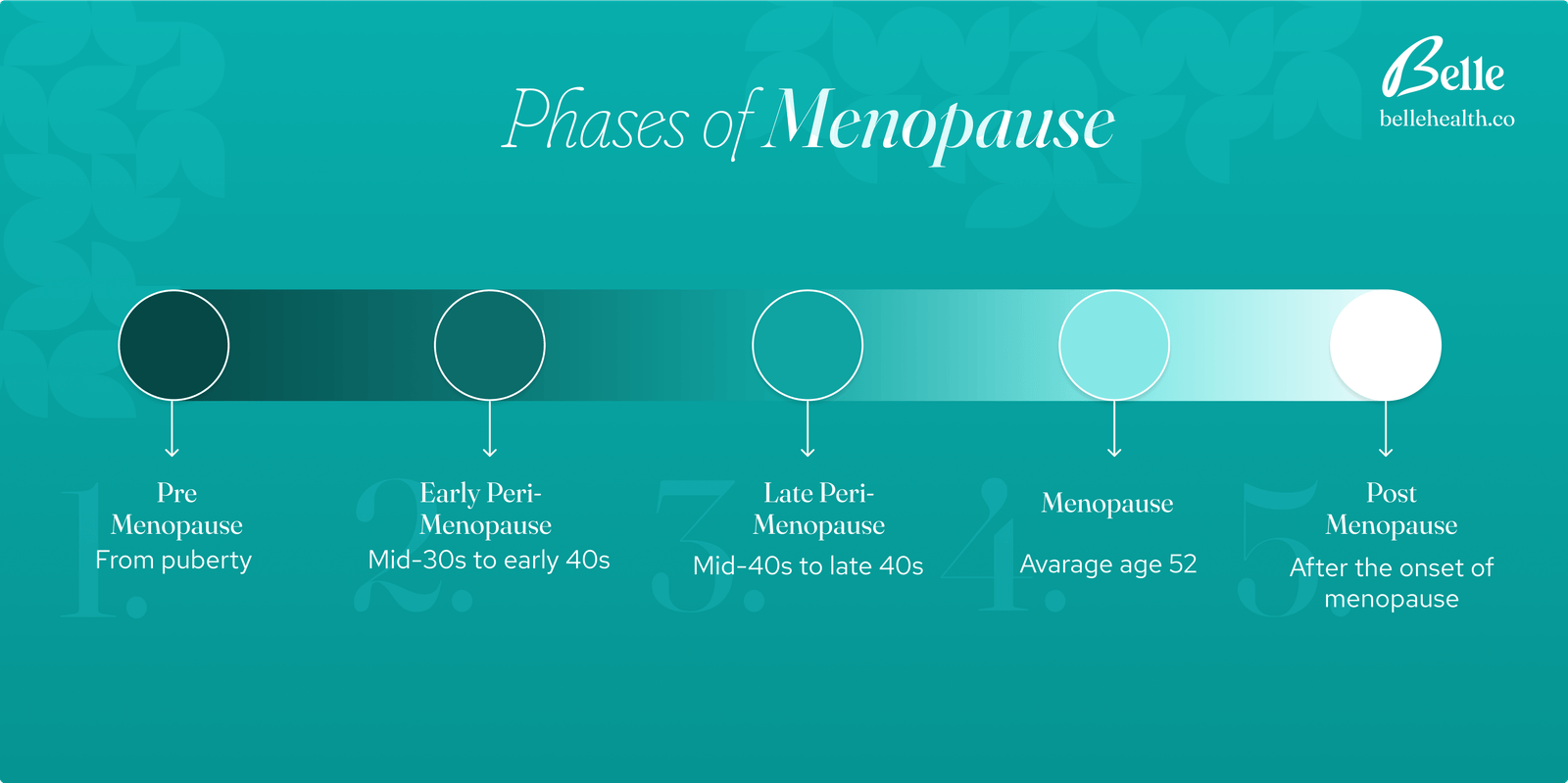
Menopause is a natural transition that signifies the end of ovulation and menstruation. It progresses through three stages:
Perimenopause
This transitional phase typically begins in the 40s, marked by irregular periods and fluctuating hormone levels. While fertility declines, pregnancy is still possible during perimenopause.
Menopause
Diagnosed after 12 consecutive months without a menstrual period, menopause usually occurs between ages 45 and 55. Natural conception is no longer possible as ovulation ceases.
Postmenopause
This phase begins after menopause and lasts for the remainder of a woman’s life. Hormonal levels stabilize, and the body adjusts to the new normal. At this stage, natural pregnancy is no longer viable.
Why Natural Pregnancy After Menopause Is Unlikely
The ovaries stop releasing eggs during menopause, and key hormones like estrogen and progesterone drop significantly. Without ovulation, conception cannot occur naturally. However, fertility treatments may provide options for women seeking to have children after menopause.
Fertility Options After Menopause
In Vitro Fertilization (IVF)
Postmenopausal women can achieve pregnancy through IVF using donor eggs or embryos. Hormonal therapy is required to prepare the uterus for implantation.
Egg Freezing
Women who froze their eggs earlier in life can use them for IVF, offering a way to conceive even after menopause.
Surrogacy
For women unable to carry a pregnancy, surrogacy is a viable option to have a biological child.
Health Risks of Pregnancy After Menopause
Pregnancy later in life carries increased risks for both the mother and baby, including:
Gestational diabetes and high blood pressure
Premature birth or low birth weight
Chromosomal abnormalities in the baby
Higher chances of miscarriage
It’s essential to consult with a healthcare provider to assess overall health and manage potential complications.
Can Menopause Be Reversed?
While menopause itself is irreversible, emerging research suggests that ovarian activity may be temporarily restored using treatments like platelet-rich plasma (PRP). These techniques remain experimental and are not widely available.
Conclusion
While natural pregnancy after menopause is not possible, advancements in fertility treatments such as IVF have made motherhood achievable for postmenopausal women.
However, the journey requires careful planning, medical support, and a thorough understanding of associated risks. If you’re considering pregnancy after menopause, consult with a fertility specialist to explore your options.