Phases of Menopause
Learn about the phases of menopause. Discover how hormonal changes affect the body and tips to manage each stage effectively.
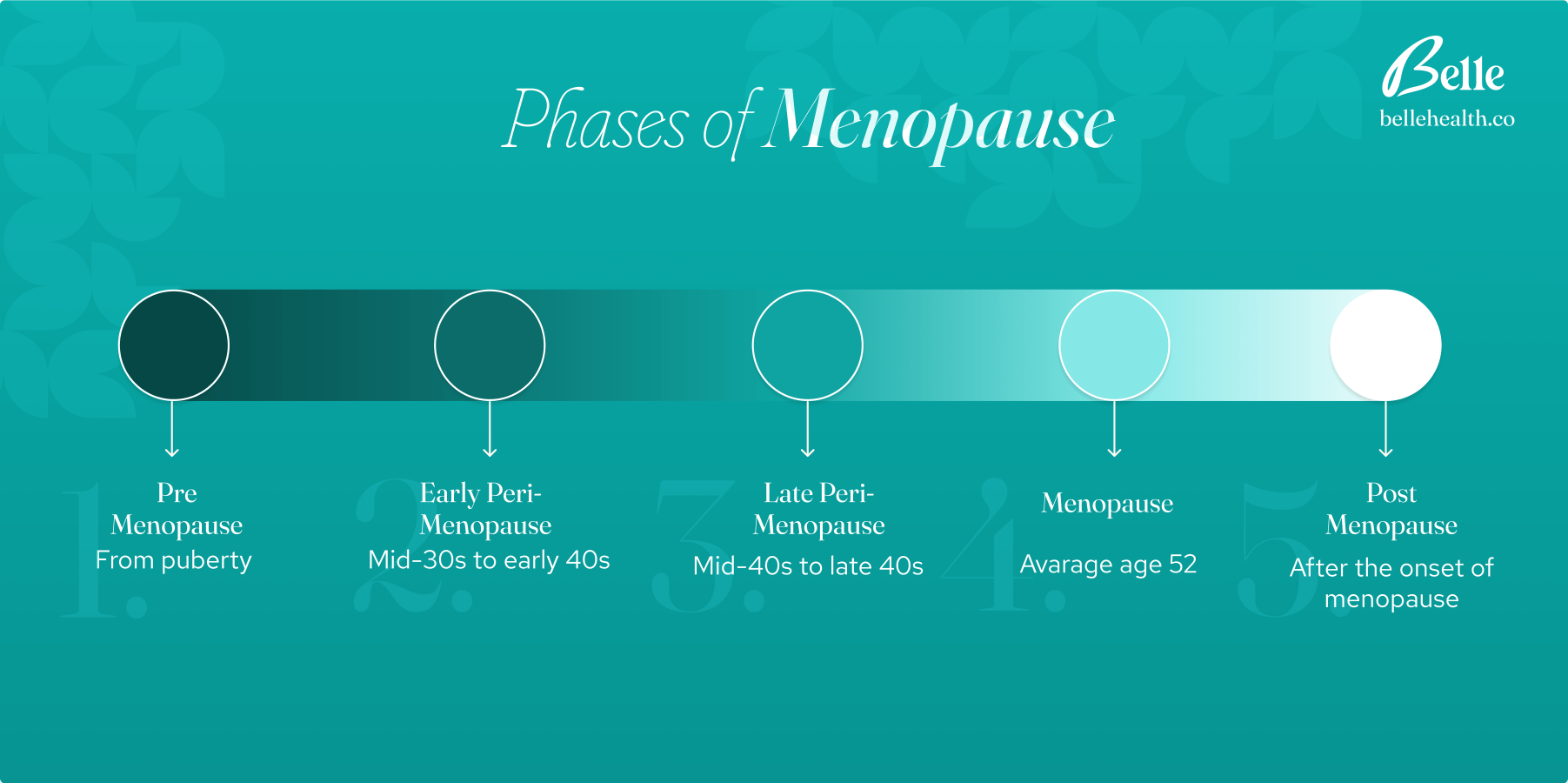
Menopause, also known as climacteric, marks a significant phase in a woman’s life, signaling the end of the reproductive years. This natural process is characterized by a series of hormonal changes that prepare the body for a new stage of life. Menopause is highly individual and progresses through four distinct phases: Premenopause, Perimenopause, Menopause, and Postmenopause.
Each phase is marked by specific symptoms and changes resulting from hormonal shifts in the body.
Phase 1: Premenopause
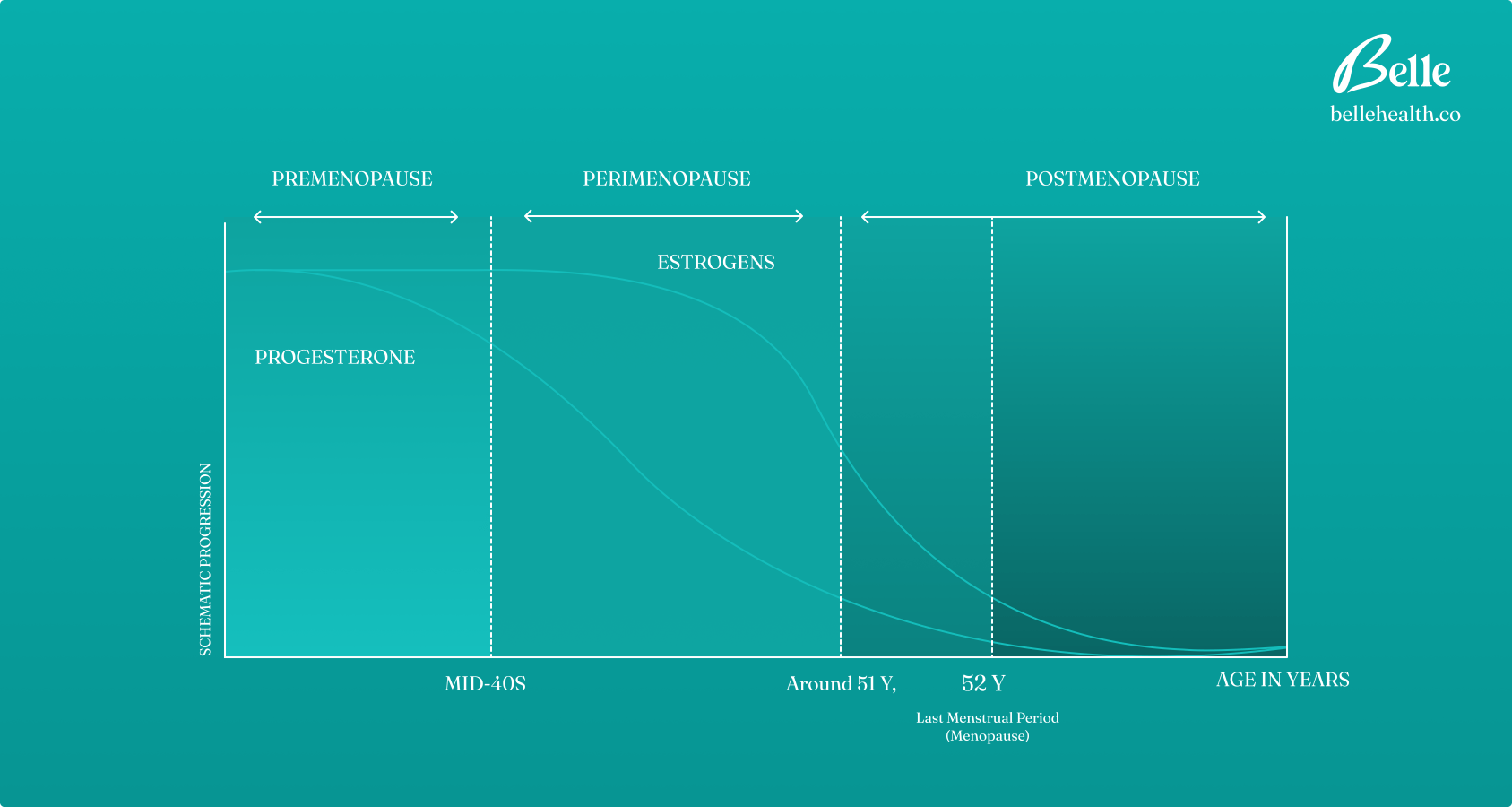
Premenopause is the first phase of menopause and often begins between the ages of 35 and 40. During this phase, early hormonal changes occur, although most women do not experience significant symptoms. The body gradually reduces the production of the hormone progesterone, while estrogen production remains stable or fluctuates slightly. This can lead to estrogen dominance, which may cause early menopausal symptoms.
- Duration of Premenopause: It can last 6 to 10 years and transitions smoothly into Perimenopause.
- Hormonal Changes:
- Progesterone deficiency: Reduced progesterone levels can cause a hormonal imbalance, affecting the menstrual cycle.
- Estrogen dominance: The imbalance between progesterone and estrogen may result in water retention and breast tenderness.
- Typical Symptoms:
- Irregular menstrual cycles: Initially, cycles become shorter, and later they may become longer. Heavy or prolonged bleeding is also possible.
- Premenstrual symptoms: These may intensify, including headaches, migraines, and breast tenderness.
- Mood swings: Hormonal fluctuations can cause irritability, mood swings, and mild depression.
- Sleep disturbances: Night sweats and frequent awakenings may disrupt sleep.
- Physical changes: Weight gain, especially in the abdomen, and water retention in the extremities are common.
Phase 2: Perimenopause
Perimenopause is the main phase of menopause and typically begins between the ages of 45 and 50. This phase includes the years leading up to the final menstrual period (menopause) and about a year afterward. During this phase, menopausal symptoms become more intense as hormone production in the ovaries declines sharply. Estrogen and progesterone production decreases significantly, causing large hormonal fluctuations. Many women find this phase the most challenging due to pronounced symptoms.
- Duration of Perimenopause: Usually lasts 4 to 5 years but can vary depending on hormone production.
- Hormonal Changes:
- Decline in estrogen production: This results in more frequent and intense symptoms like hot flashes and sleep disturbances.
- Progesterone deficiency: Contributes to irregular menstrual cycles and increased premenstrual symptoms.
- Typical Symptoms:
- Hot flashes: Sudden, intense sensations of warmth often accompanied by sweating.
- Sleep disturbances and night sweats: Frequent waking due to hot flashes and excessive sweating.
- Irregular menstruation: Cycles become increasingly irregular; bleeding may be heavier, lighter, or stop entirely.
- Mood swings and depression: Emotional instability, irritability, and depressive episodes are common.
- Fatigue and lethargy: Persistent tiredness and a lack of energy.
- Dry skin and mucous membranes: Vaginal dryness may lead to discomfort during intercourse.
- Joint and muscle pain: Hormonal changes may cause joint pain and muscle weakness.
- Loss of libido: Hormonal fluctuations and physical changes can reduce sexual desire.
Phase 3: Menopause
Menopause marks the last menstrual period and the end of fertility. It is a natural part of aging and usually occurs around the age of 50 to 52. Menopause itself is not a long-lasting process but a specific point in time, confirmed after 12 months without menstruation. This phase leads into Postmenopause, where hormone levels stabilize at lower levels.
- Duration of Menopause: Menopause is a specific point in time, defined after 12 months without a period. It marks the end of Perimenopause and the start of Postmenopause.
- Hormonal Changes:
- Cessation of hormone production: The ovaries largely stop producing the sex hormones estrogen and progesterone.
- Decline in estrogen and progesterone: The sharp drop in hormones causes many common menopausal symptoms, such as hot flashes and sleep disturbances.
- Typical Symptoms:
- Permanent cessation of menstruation: The most noticeable sign of menopause.
- Exacerbation of symptoms: Hot flashes, sleep disturbances, and mood swings may intensify.
- Psychological changes: Menopause may bring emotional challenges, as it marks the conclusion of a significant life stage and the transition to a new phase.
Phase 4: Postmenopause
Postmenopause begins one year after the last menstrual period and can last up to 15 years or even the rest of a woman’s life. During this phase, hormone levels stabilize, albeit at significantly lower levels. Most acute menopausal symptoms subside as the body adjusts to the new hormonal balance. However, new health issues may arise due to the low levels of estrogen.
- Duration of Postmenopause: It can last many years, often until the end of life. It is the longest phase of menopause.
- Hormonal Changes:
- Stabilization at low levels: Estrogen and progesterone are produced in minimal amounts.
- High FSH levels: Follicle-stimulating hormone (FSH) remains consistently elevated, which is typical of Postmenopause.
- Typical Symptoms:
- Dry skin and mucous membranes: The skin loses elasticity, and vaginal dryness may cause discomfort.
- Joint and back pain: Decreased estrogen can lead to joint pain and reduced bone density, increasing the risk of osteoporosis.
- Hair loss and increased facial hair growth: Many women notice more hair loss on the scalp and increased facial hair growth (e.g., facial hair).
- Osteoporosis: The loss of bone density increases the risk of fractures.
- Cardiovascular problems: The protective effect of estrogen diminishes, raising the risk of cardiovascular disease.
- Sleep disturbances and fatigue: While many menopausal symptoms fade, sleep disturbances and tiredness may persist.
Conclusion
Menopause is a natural biological process that varies for each woman. It spans several years during which the body transitions from fertility to a new hormonal balance. The four phases—Premenopause, Perimenopause, Menopause, and Postmenopause—are characterized by specific symptoms and changes, all caused by the decline in the sex hormones estrogen and progesterone. Understanding these phases can help women better comprehend the changes and take appropriate measures to alleviate symptoms and maintain quality of life during this period.