PMDD Tracker App: Track Symptoms, Patterns, and Reports | Belle
Belle helps you track PMDD symptoms daily, spot cycle-based patterns, get doctor-ready reports, and stay supported with insights built for real life.
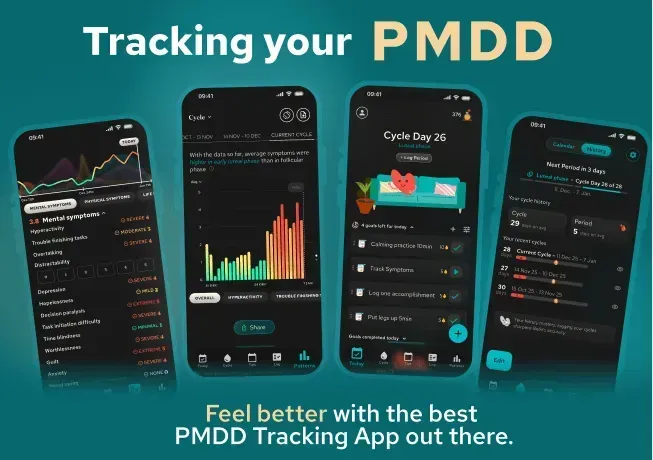
Looking for a PMDD tracker that does more than log your period? A strong PMDD symptom tracker helps you record emotional, physical, and behavioral symptoms every day, match them to the right cycle phase day, and look for a repeating pattern over time. That matters because PMDD is diagnosed by its cyclical symptom pattern, and daily tracking across at least two cycles is one of the key ways clinicians evaluate it.
The Belle App is built for exactly this job. Instead of only showing your next period date, Belle helps you track symptoms, see where you are in your cycle, review your patterns in several helpfull charts, get daily insights, share your own report with your doctor, and stay connected with trusted support people when you need them most. ❤️
Why PMDD tracking matters
PMDD is more than “bad PMS.” Official medical sources describe it as a serious condition that can cause severe irritability, depression, anxiety, mood swings, fatigue, concentration problems, sleep changes, appetite changes, and physical symptoms like bloating, headaches, and breast tenderness. To be diagnosed, a person generally needs at least five symptoms, including at least one mood-related symptom, that show up before the period and ease after it starts.
That is why a PMDD tracking app is so useful. It helps you stop guessing and start seeing the pattern. IAPMD notes that PMDD or PME cannot be confirmed by hormone, blood, or saliva tests alone, and that daily symptom tracking across at least two cycles is the current standard way to document the condition clearly for treatment planning.
When you track symptoms every day, you can start to see whether they reliably show up in the luteal phase, whether they ease after your period starts, and which symptoms hit you the hardest. That kind of record can help you feel less blindsided, less self-doubting, and much more prepared when you speak to a doctor.
Belle helps you do that without turning your life into a spreadsheet…
What a good PMDD tracker should let you track
A real PMDD tracker should help you track more than cramps and mood. It should help you notice the symptoms that actually shape your month, such as:
- irritability, anger, and emotional overwhelm
- sadness, hopelessness, and anxiety
- mood swings and feeling extra sensitive
- brain fog and trouble concentrating
- fatigue and low motivation
- appetite and sleep changes
- bloating, headaches, breast tenderness, and other physical symptoms
- daily notes, triggers, and patterns across your cycle
It should also show you when these symptoms happen. Because with PMDD, timing is everything. Belle connects your daily tracking to your cycle so you can see whether symptoms cluster before your period, how severe they get, and how they shift from one phase to the next.
Belle is more than a PMDD symptom tracker
A lot of trackers help you log symptoms.
Belle helps you understand them.
1. Know where you are today
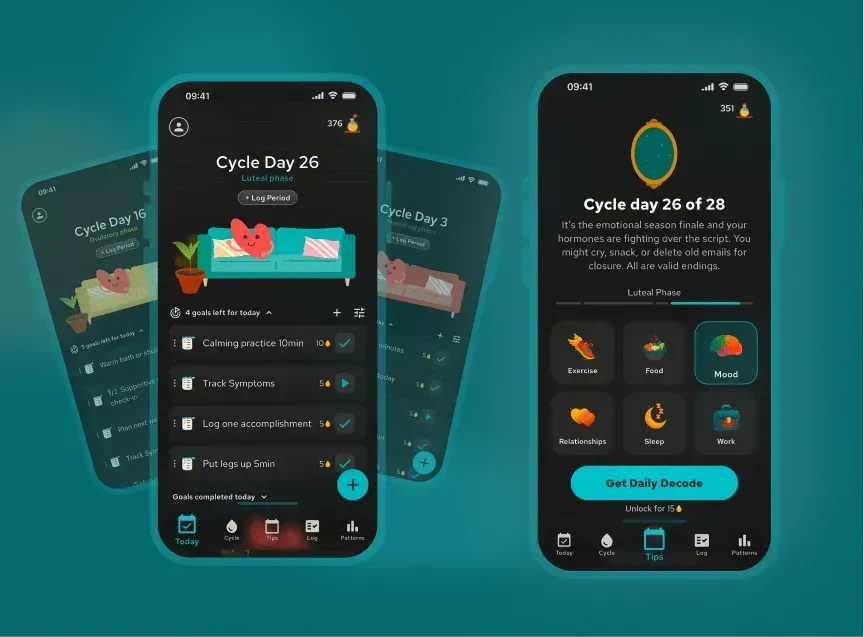
Belle’s home screen helps you instantly see your cycle day, your current phase, and what that may mean for today. Instead of opening an app and having to figure everything out yourself, you get context right away.
That matters specially when you are already overwhelmed.
If you are heading into a harder part of your cycle, Belle helps make that visible early so you can prepare instead of getting caught off guard.
2. See your cycle on a real calendar
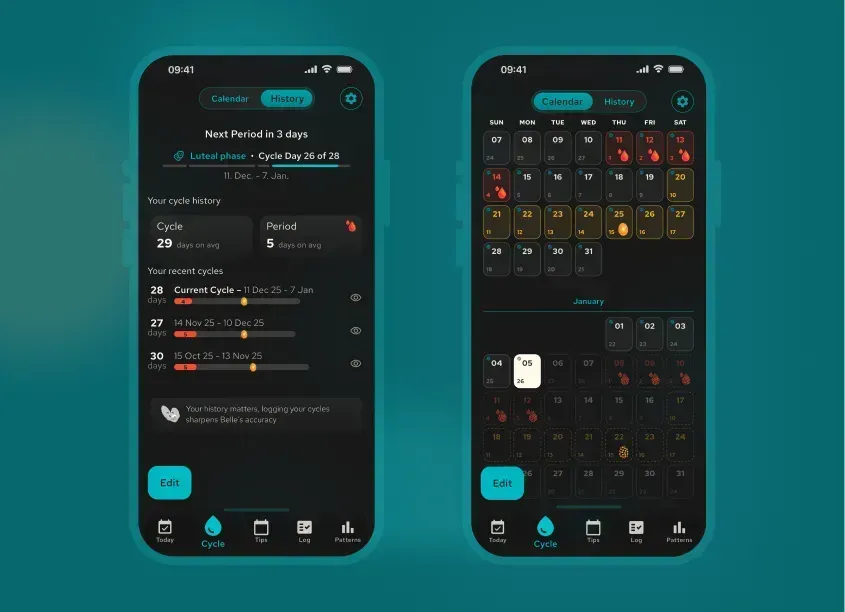
Belle’s cycle view helps you look at your month in a way that actually makes sense for PMDD.
You can see where different phases are landing, what happened in past cycles, and how your symptoms line up with those shifts over time. This makes it easier to plan around work, relationships, events, and recovery time instead of feeling blindsided every month.
For many people, this is the moment when things finally start clicking:
“It’s not random. There is a pattern.”
3. Get daily insight, not just raw data
Tracking is useful. Understanding is better.
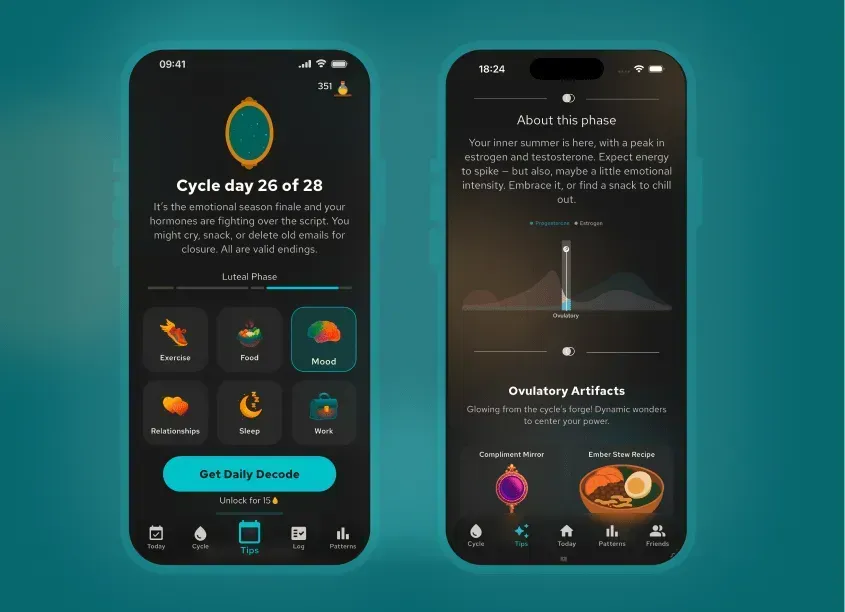
Belle’s Daily Tips helps translate your data into something you can use in real life. Based on your previous tracking, Belle can help you understand how you tend to feel on certain cycle days, what may be contributing to today’s experience, and how to better support yourself.
So instead of just seeing a symptom score, you get context. That makes Belle feel less like a logbook and more like a companion.
4. Track the right symptoms fast, and in one place
When PMDD is flaring, the last thing you need is a complicated system.
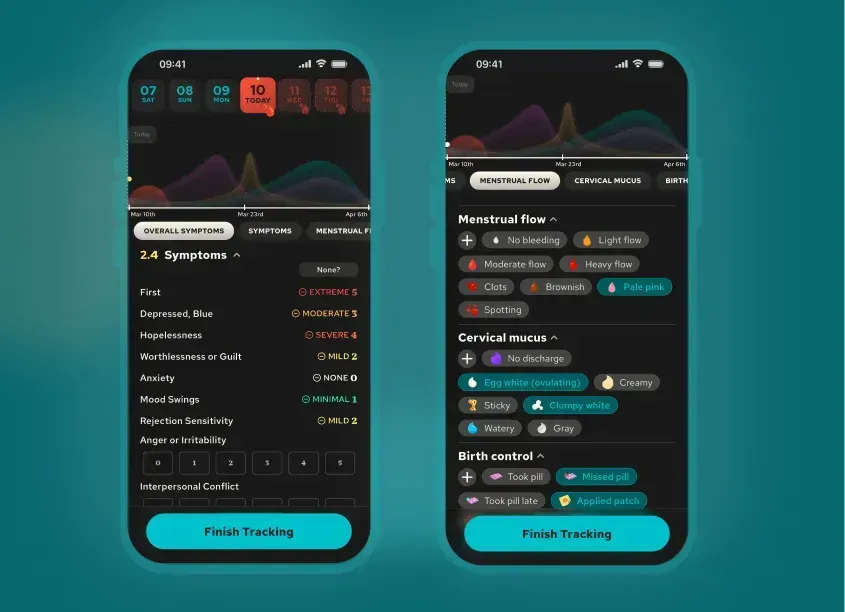
Belle gives you one main tracking space where you can log emotional, physical, behavioral, and cycle-related symptoms in a way that feels quick enough to keep up with. You can track the symptoms that matter most, add notes, and build a daily record without spending forever inside the app.
This is especially helpful if you are trying to build a strong pattern record for a future appointment or if you already know your diagnosis and want to catch flare-ups earlier.
5. Turn symptom tracking into real patterns
Most people do not need more data. They need clearer meaning.
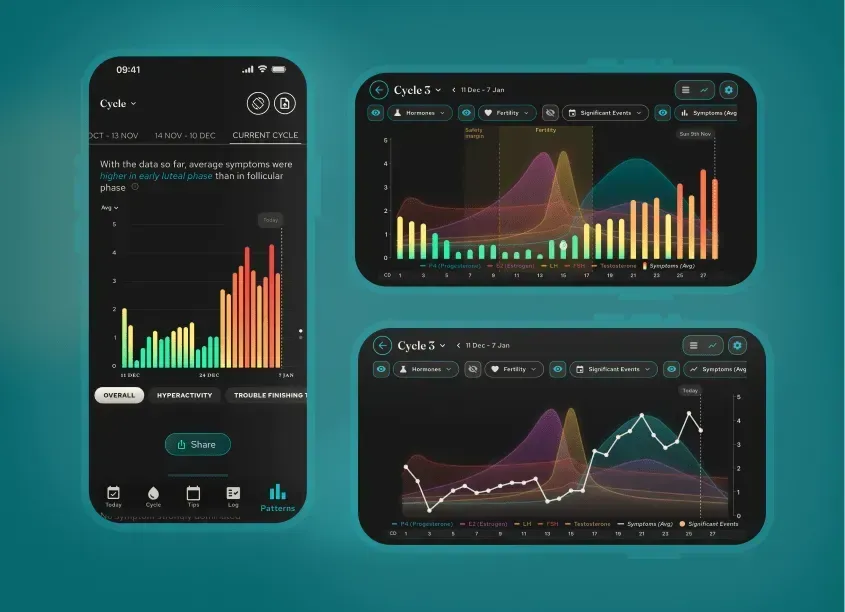
Belle’s patterns view helps turn daily tracking into charts and trends you can actually use. You can look at ratings, notes, and recurring symptoms over time and compare them across cycles. You can also view patterns in relation to likely hormonal shifts, which makes it easier to spot what tends to happen when estrogen or progesterone are likely rising or falling.
This is where Belle goes beyond than a PMDD symptom tracker app. It becomes a tool for pattern recognition.
And once you can see a pattern, you can start making better decisions around rest, work, treatment conversations, support, and self-care.
6. Bring clear reports to your doctor
One of the hardest parts of PMDD is trying to explain it when you are feeling fine. Belle helps you with that.
Instead of trying to remember what happened three weeks ago, you can bring structured data. Belle’s reports help you show how symptoms change across your cycle, how severe they get, and whether they follow a pattern that deserves deeper evaluation.
That can make appointments feel more productive and less invalidating.
7. Get support from the people you trust
PMDD does not only affect the person experiencing it. It affects relationships, communication, planning, and support.
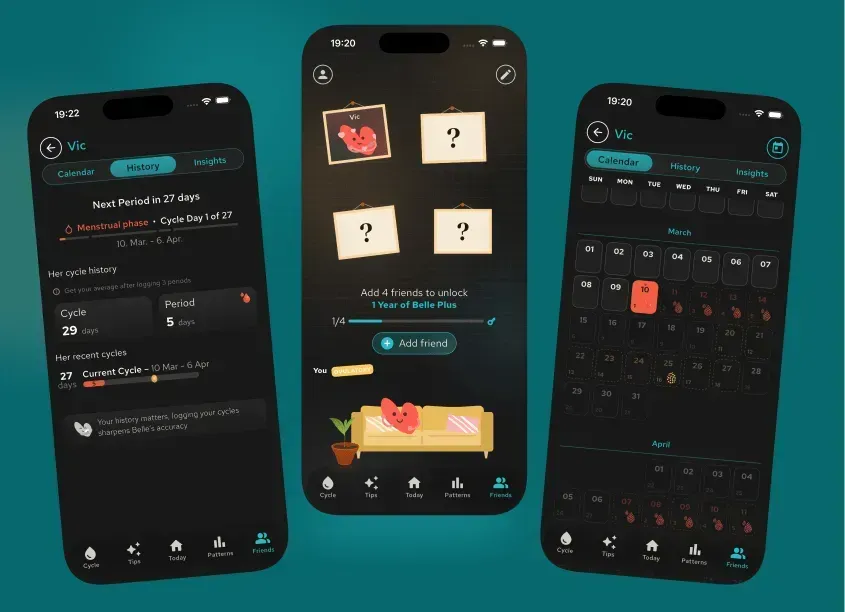
Belle’s support-sharing features help you bring trusted people into your world in a way that feels useful, not invasive. Partners, family, or close friends can better understand where you are in your cycle and when you may need more support.
That can help reduce misunderstandings and make the hard days feel less lonely.
Because sometimes the best PMDD tool is not just knowing what is happening. It is knowing you do not have to carry it alone.
If support is a big part of your journey, these pages may also help:
Belle works whether you are diagnosed or still figuring it out
You do not need to already have a diagnosis to start tracking.
If you are still asking whether your symptoms might be PMDD, Belle helps you build the daily symptom record that can make the pattern easier to recognize. That can be a huge relief when you have been second-guessing yourself for months or years.
And if you already know you have PMDD, Belle helps you go beyond awareness. It helps you notice what makes symptoms worse, what support helps most, and when you need to plan your life more gently.
So Belle is useful in both stages:
- when you are trying to understand what is happening
- when you are trying to live better with what you already know
If you are not sure where to begin, start with our PMDD quiz or read The PMDD diagnosis: a pattern that unfolds
How to use Belle as your PMDD tracker
Using Belle does not have to be complicated.
1. Start with your baseline
Track where you are in your cycle and how you are feeling today.
2. Log symptoms daily
Keep it simple and consistent. The goal is not perfection. The goal is pattern visibility.
3. Review your cycle trends
Look at how symptoms cluster, which ones repeat, and when your hardest days tend to land.
4. Use the insight
Bring reports to your doctor, plan around difficult windows, adjust your support, and use Belle’s tools to respond earlier.
That is how tracking becomes useful.
Not by collecting data for the sake of it, but by helping you act on it.
Why Belle is the better PMDD tracker
Belle is not just a place to record symptoms.
It is a place to:
- understand your cycle
- catch flare-ups earlier
- see patterns across time
- get personalized daily insight
- prepare for harder days
- share what matters with your doctor
- stay connected to your support system
That is what makes Belle different from a generic period app or a printable symptom sheet.
A printable chart can help you start. Belle helps you stay with it.
If you want a printable option too, you can also check our PMDD symptom tracker PDF
Ready to track PMDD with more clarity?
If your cycle keeps changing the way you think, feel, and function, you deserve a tool that helps you understand it clearly.
Belle helps you track symptoms, decode patterns, prepare for the luteal phase, and feel more supported across the whole month.
FAQs
What is a PMDD tracker?
A PMDD tracker is a tool that helps you log emotional, physical, and behavioral symptoms every day so you can see whether they follow a repeating menstrual cycle pattern. This matters because PMDD is identified by the timing and pattern of symptoms, not by one bad day alone.
Can a PMDD tracker diagnose PMDD?
Not by itself. A PMDD tracker can help you build the daily symptom record that supports diagnosis, but a clinician still needs to evaluate your symptoms, timing, and overall health history.
How long should I track symptoms for PMDD?
It is best to track symptoms daily for at least two full menstrual cycles. That gives you a much clearer picture of whether symptoms consistently show up before your period and improve after it starts.
What symptoms should a PMDD symptom tracker include?
A PMDD symptom tracker should include mood swings, irritability, sadness, anxiety, fatigue, trouble concentrating, sleep changes, appetite changes, feeling overwhelmed, and physical symptoms like bloating, headaches, or breast tenderness.
What makes Belle different from a basic period tracker?
Belle does more than predict your next period. It helps you track symptoms, understand your phase, see patterns across cycles, get personalized daily insights, create doctor-ready reports, and share selected cycle information with trusted support people.
Can Belle help if I am not sure whether I have PMDD?
Yes. Belle can help you start tracking daily symptoms so you can look for a repeating pattern and bring clearer information to a doctor. It is a useful first step if you are still trying to understand what is happening.
Can I use Belle to share PMDD information with my doctor?
Yes. Belle is designed to help you turn daily tracking into a clearer record you can use in appointments, which can make it easier to explain symptom severity, timing, and recurring patterns.
Can my partner or family support me through Belle?
Yes. Belle includes support-sharing features that can help trusted people better understand your cycle and when you may need extra support, while still giving you control over what you share.
Is a PMDD symptom tracker PDF enough?
A PDF can be a helpful starting point, especially if you want something printable. But an app like Belle makes daily tracking easier, helps you see charts and patterns automatically, and gives you more support over time.
What should I do if my PMDD symptoms feel severe or unsafe?
A tracker can help you monitor symptoms, but it is not a substitute for urgent help. If you feel unsafe, severely depressed, or at risk of harming yourself, seek emergency support right away and contact a qualified healthcare professional.
Related PMDD and Belle resources
If you want to go deeper, these pages can help you track, understand, and manage PMDD across your whole cycle:
- PMDD symptom tracker
- Belle Ring for PMDD
- Belle Ring PMDD tracking
- PMDD quiz
- Sleep problems before your period
- Belle Ring
The Belle Ring can add another layer of context by tracking trends in sleep, skin temperature, resting heart rate, HRV, SpO2, and stress over time, so the patterns you log are easier to see alongside how your body is actually recovering.
Belle and the Belle Ring are not medical devices. They track trends in signals like sleep, skin temperature, heart rate, HRV, SpO2, and stress, and do not diagnose, treat, or rule out PMDD or any other condition. If your symptoms are severe, persistent, or affecting your safety, please speak with a qualified clinician or your local emergency services.