What Should PDG Levels Be If You’re Pregnant?
Wondering about PDG levels if pregnant? Learn how PDG (pregnanediol glucuronide) reflects progesterone in early pregnancy.
PdG, short for pregnanediol glucuronide, is a urine metabolite of progesterone. If you are pregnant, progesterone usually stays elevated to support the uterine lining, so PdG may also remain elevated. But there is no single universal PdG number that proves a pregnancy is healthy. Urine concentration, hydration, test brand, timing, and normal hormone pulses can all change the result.
The most useful way to think about PdG is as a trend marker, not a stand-alone pregnancy test. A home pregnancy test checks hCG, and blood progesterone testing is the more direct way to evaluate progesterone if your clinician is concerned.
Quick Takeaways
- PdG reflects progesterone after your body processes it and sends it into urine.
- After ovulation, PdG typically rises during the luteal phase.
- If pregnancy happens, progesterone usually remains elevated instead of dropping before your period.
- Urine PdG cannot be compared perfectly with blood progesterone.
- If you have bleeding, pain, prior losses, fertility treatment, or low progesterone concerns, ask your healthcare provider about blood testing.
Related reading: What Is a PdG Test? and Signs Ovulation Is Over.
What Is PdG?
Pregnanediol glucuronide is one of the main metabolites of progesterone measured in urine. Progesterone rises after ovulation because the corpus luteum produces it to support the uterine lining. If pregnancy occurs, early hCG helps maintain the corpus luteum until the placenta gradually takes over progesterone production.
Because PdG is measured in urine, the result can be affected by how diluted your urine is, what time you test, and the method your test uses. That is why a single low or high PdG value should not be interpreted in isolation.
What Should PdG Levels Be If You Are Pregnant?
Many at-home hormone trackers use PdG thresholds to help confirm ovulation, but pregnancy interpretation is more complicated. In a non-pregnant cycle, progesterone and PdG often fall before a period. In a pregnant cycle, progesterone usually remains elevated. The pattern matters more than one number.
| Timing | Typical hormone pattern | How to interpret it |
|---|---|---|
| Before ovulation | Progesterone and PdG are usually low. | A low result here is expected. |
| After ovulation | Progesterone rises, and PdG often rises after it. | A sustained rise can support that ovulation happened. |
| Before a period | If not pregnant, progesterone usually drops. | PdG may fall as your period approaches. |
| Early pregnancy | Progesterone usually remains elevated. | PdG may stay elevated, but hCG testing confirms pregnancy. |
| Symptoms or bleeding | Hormone patterns may need medical interpretation. | Ask about blood hCG and progesterone testing. |
PdG vs. Progesterone: Why the Numbers Differ
Blood progesterone and urine PdG are related, but they are not the same measurement. Blood testing looks at progesterone more directly at a specific moment. Urine PdG reflects metabolized progesterone that has been excreted over time. That makes urine testing convenient, but also more sensitive to hydration and timing.
When to Take a Pregnancy Test
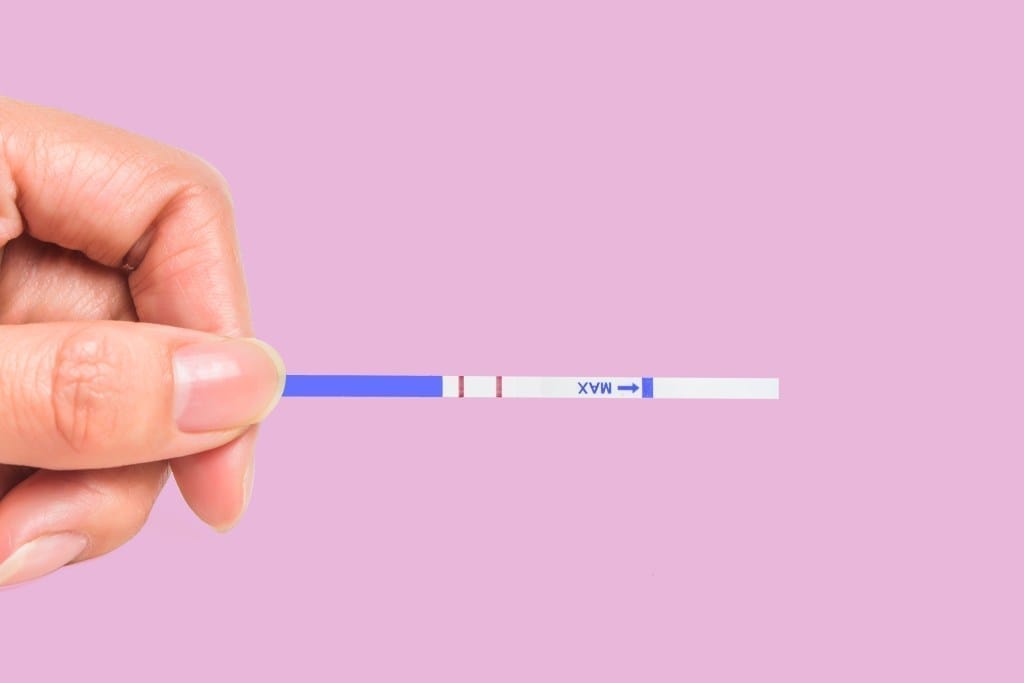
PdG is not a pregnancy test. Home pregnancy tests look for hCG. The FDA notes that, in a 28-day cycle, hCG may be detectable in urine around 12 to 15 days after ovulation. Testing too early can lead to a false negative because hCG may not have risen enough yet.
When PdG Should Prompt a Doctor Visit
- You have a positive pregnancy test and bleeding or one-sided pelvic pain.
- You are under fertility care or using progesterone support.
- You have a history of recurrent pregnancy loss or luteal phase concerns.
- Your home test results are causing anxiety or do not match your symptoms.
- Your clinician asked you to monitor hormones and you are unsure how to interpret the trend.
Final Thoughts
If pregnancy occurs, PdG often stays elevated because progesterone remains important in early pregnancy. But a home PdG number should not be used by itself to diagnose pregnancy, predict miscarriage, or decide whether you need progesterone. Use hCG testing to confirm pregnancy and ask your provider about blood progesterone if there is a medical concern.
FAQs
Can PdG confirm pregnancy?
No. PdG can show progesterone-related trends, but pregnancy is confirmed with hCG testing, either through a home urine test or a clinician-ordered blood test.
Does low PdG mean miscarriage?
Not by itself. Urine PdG can vary for many reasons. If you are pregnant and worried about low progesterone, bleeding, or pain, contact a healthcare provider for blood testing and guidance.
Is PdG the same as progesterone?
No. PdG is a urine metabolite of progesterone. It can help show a progesterone trend, but it is not identical to a blood progesterone result.
When is PdG most useful?
PdG is most useful for confirming that progesterone rose after ovulation. It can be helpful in fertility tracking, but pregnancy questions usually require hCG testing and sometimes bloodwork.