How to Relieve Menstrual Cramps: What Helps and When to Worry
Menstrual cramps: causes, symptoms, and effective treatments. Discover how to relieve severe cramps, manage pain, and improve your health.
Menstrual cramps are common, but that does not mean you have to just put up with them. For some people, period pain is a dull ache that passes in a day or two. For others, it is strong enough to interfere with work, school, exercise, sleep, and daily life. ACOG notes that more than half of women who menstruate have some pain for one to two days each month, and for some the pain is severe enough to stop normal activities.
The good news is that there are effective ways to relieve menstrual cramps. The more important news is that some cramps are a sign of something more than “normal period pain.” This guide covers what causes cramps, what actually helps, and when pain deserves a closer look.
What are menstrual cramps?
Menstrual cramps are the pain that happens during your period. The medical term is dysmenorrhea. The pain usually shows up in the lower abdomen and can also spread to the lower back, hips, thighs, or pelvic area. Some people also get nausea, diarrhea, headache, dizziness, or fatigue along with the cramps.
For many people, cramps are worst right before the period starts or during the first day of bleeding, then gradually improve over the next two or three days. That pattern is very typical of primary dysmenorrhea, which is period pain not caused by another medical condition.
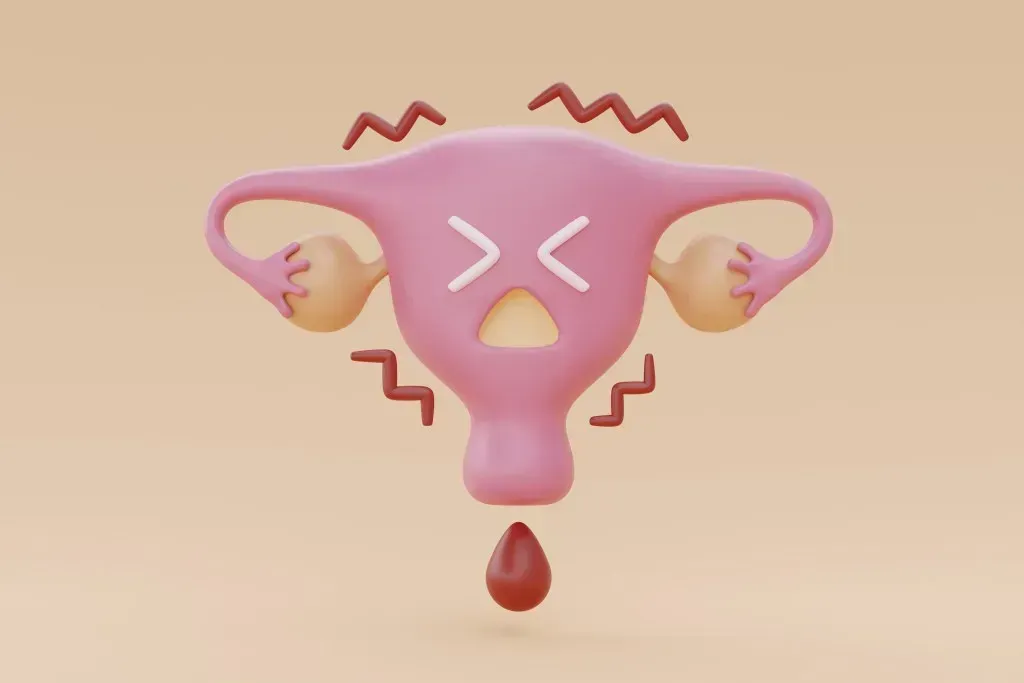
What causes menstrual cramps?
The main cause of menstrual cramps is the way the uterus contracts to shed its lining. These contractions are triggered by chemicals called prostaglandins. ACOG explains that prostaglandins make the muscles and blood vessels of the uterus contract, and that the level is highest on the first day of a period. That is one reason cramps often feel worst at the beginning and then ease as bleeding continues.
This is also why cramps can vary so much from person to person. Some people simply have stronger uterine contractions or are more sensitive to the effects of prostaglandins. Others may have a condition that makes period pain worse.
Primary vs secondary dysmenorrhea
There are two main types of menstrual cramps.
Primary dysmenorrhea
This is the most common type. It is the usual recurring cramping pain that happens before or during a period and is not caused by another disease. It often starts in the teen years or early reproductive years and may improve with age or after childbirth.
Secondary dysmenorrhea
This is period pain caused by another condition. ACOG and the NHS both list causes such as endometriosis, fibroids, adenomyosis, pelvic inflammatory disease, structural problems of the uterus, and sometimes pain related to an IUD, especially in the first few months after insertion. Secondary dysmenorrhea often gets worse over time, may start earlier before the period, and may last longer than typical cramps.
If your pain is intense, worsening, or coming with other unusual symptoms, it is worth reading Belle’s guide to Endometriosis Symptoms, because severe cramps are one of the most common ways endometriosis first shows up.
What menstrual cramps can feel like
Period cramps do not always feel the same. They can show up as:
-
cramping or tightening in the lower belly
-
pain that radiates to the back or thighs
-
heaviness or pelvic pressure
-
nausea or diarrhea
-
headache, dizziness, or fatigue
-
pain that makes it hard to concentrate or function normally
If you also have very heavy bleeding, large clots, or periods that last more than a week, that changes the picture. In that case, Belle’s Heavy Periods and Blood Clots in Menstrual Flow are strong next reads, because heavy bleeding and severe cramps often travel together.
What actually helps relieve menstrual cramps
1. Heat
Heat is one of the simplest and most effective ways to ease cramps. A heating pad, hot water bottle, warm bath, or warm shower can help relax the uterine muscles and reduce pain. ACOG and the NHS both recommend heat as a practical at-home strategy.
2. NSAIDs like ibuprofen or naproxen
NSAIDs are often one of the best first-line options because they directly reduce the prostaglandins that help cause cramps. ACOG notes that medications like ibuprofen and naproxen make cramps less severe by reducing prostaglandin production. They often work best when started as soon as the pain begins, or even just before the period if your cramps are predictable.
3. Regular movement
Exercise may be the last thing you feel like doing when cramps hit, but it can help. ACOG recommends exercise, especially aerobic activity like walking, jogging, biking, or swimming, because it helps produce chemicals that block pain. For some people, even gentle movement like stretching or yoga is enough to make a difference.
4. Better sleep and stress support
Pain often feels worse when you are exhausted or stressed. ACOG also highlights the importance of sleep and relaxation techniques such as meditation or yoga for coping with period pain. These may not erase cramps on their own, but they can lower the overall pain burden and help your body recover better.
5. Hormonal treatment when needed
For people with recurring or severe cramps, hormonal birth control can sometimes help. The NHS notes that contraception such as the pill, implant, or injection may ease period pain by thinning the uterine lining and reducing the intensity of bleeding and cramping.
When cramps might be a sign of something else
It is worth getting evaluated if the pain does not behave like typical primary dysmenorrhea. Some clues that point toward a condition like endometriosis, adenomyosis, or fibroids include:
-
pain that keeps getting worse over time
-
cramps that begin several days before bleeding
-
pain that lasts longer than the period
-
pain during sex
-
pain when peeing or having a bowel movement
-
very heavy bleeding or large clots
-
bleeding between periods
That is where understanding the rhythm of your cycle becomes useful. Belle’s The 4 Phases of Menstrual Cycle can help you recognize when your pain starts, when it peaks, and whether it is tied to menstruation in the way typical cramps usually are.
When to see a doctor
You should talk to a doctor if:
-
your period pain is severe or worse than usual
-
painkillers are not helping
-
your periods are becoming heavier or more irregular
-
you have pain during sex, peeing, or pooping
-
you are bleeding between periods
-
your pain is disrupting normal life every month
The NHS recommends urgent medical advice if pelvic or period pain is severe and not helped by painkillers. ACOG also notes that if medications do not relieve your pain, the next step should be figuring out the cause.
For a trusted medical overview, one helpful external resource is ACOG’s patient guide “Dysmenorrhea: Painful Periods.”
How Belle can help
When cramps happen every month, memory is not enough. Belle can help you track when the pain starts, how long it lasts, how severe it feels, whether it comes with back pain, bloating, nausea, heavy flow, or mood changes, and how it fits into your cycle overall. That makes it easier to notice patterns and much easier to bring useful information into a medical appointment.
Final thoughts
Menstrual cramps may be common, but they should not automatically be dismissed. In many cases, heat, NSAIDs, movement, rest, and the right cycle support can make a real difference. In other cases, strong or worsening cramps are a sign that something more needs attention. The most important thing is to notice the pattern: how strong the pain is, when it starts, how long it lasts, and whether it is changing.
You do not have to prove you are in enough pain to deserve help. If your period pain is interfering with your life, it is worth taking seriously.
FAQs
What causes menstrual cramps?
Menstrual cramps are mainly caused by uterine contractions as the body sheds the uterine lining. These contractions are triggered by prostaglandins, chemicals linked to pain and inflammation.
What helps relieve menstrual cramps fast?
The approaches that most often help are heat on the lower abdomen, NSAIDs such as ibuprofen or naproxen, and gentle movement like walking or stretching.
Are severe menstrual cramps normal?
They can happen, but very intense, disabling, or worsening pain deserves medical attention. In some cases, severe cramps can be linked to endometriosis, fibroids, adenomyosis, or other underlying conditions.
How many days can menstrual cramps last?
Menstrual cramps usually begin shortly before your period or on the first day of bleeding and often improve within 2 to 3 days. If the pain lasts longer, gets worse, or feels different from your normal pattern, it is worth getting checked.
When should I see a doctor about menstrual cramps?
You should seek medical advice if the pain is very strong, getting worse over time, comes with fever, heavy bleeding, pain during sex, pain when urinating or having a bowel movement, or disrupts your life every month.
Can birth control help menstrual cramps?
Yes. In some cases, hormonal birth control can reduce the intensity of menstrual cramps, especially when the pain is frequent or severe. The best option should be discussed with a healthcare professional.