Kegel Exercise: Kegel Exercise Guide
A complete guide to kegel exercise kegel exercise: benefits, how to do them correctly, common mistakes, pelvic floor health, and step-by-step.
Kegel exercises are one of the most widely recommended strategies for strengthening the pelvic floor muscles. These muscles support essential organs such as the bladder, uterus (in people assigned female at birth), and rectum. Over time, lifestyle factors, childbirth, aging, or medical conditions can weaken the pelvic floor, causing symptoms like urinary leakage, pelvic pressure, or sexual dysfunction.
Kegel exercises are simple, discreet, and effective when done correctly. This comprehensive guide breaks down everything you need to know.
What Are Kegel Exercises?
Kegel exercises involve repeatedly contracting and relaxing the pelvic floor muscles, similar to the motion used to stop the flow of urine. These exercises help restore muscle tone, improve bladder control, and support pelvic organ stability.
The term “Kegel” comes from Dr. Arnold Kegel, who first introduced pelvic floor exercises as a non-surgical treatment for pelvic organ dysfunction in the late 1940s.
Why Pelvic Floor Strength Matters
The pelvic floor is a bowl-shaped group of muscles that:
-
Supports the bladder, uterus, and rectum
-
Helps control urination and bowel movements
-
Plays a significant role in sexual function
-
Stabilizes the spine and hips
-
Supports posture and core strength
When these muscles weaken, symptoms may develop—many of which impact daily life.
Benefits of Kegel Exercise
Performing kegel exercises consistently can provide a wide range of benefits:
1. Improved Bladder Control
Kegels are highly effective for treating stress incontinence—leaking when coughing, laughing, or exercising.
2. Better Bowel Control
Strengthening pelvic floor muscles helps reduce fecal leakage and improves rectal support.
3. Enhanced Sexual Function
Stronger pelvic floor muscles can increase vaginal tone, improve arousal, and enhance orgasm intensity.
4. Pelvic Organ Support
Kegels help prevent or slow the progression of pelvic organ prolapse.
5. Postpartum Recovery
After childbirth, many providers recommend kegel exercises to rebuild muscle tone and support healing.
6. Benefits for Men
Kegel exercises for men can help improve erectile function, manage premature ejaculation, and support urinary control.
Who Should Do Kegel Exercises?
Almost anyone can benefit, including:
-
Individuals experiencing urinary leakage
-
Postpartum people
-
Men recovering from prostate surgery
-
Anyone with weak pelvic floor muscles
-
People with pelvic organ prolapse (mild)
-
Individuals seeking improved sexual function
However, not everyone should perform Kegels. People with pelvic floor tightness, pain, or overactive pelvic floor muscles may worsen symptoms with excess tightening.
Always seek professional guidance if unsure.
When NOT to Do Kegel Exercises
Avoid or modify kegel exercise if you experience:
-
Pelvic pain or tightness
-
Pain during penetration
-
Difficulty starting urination
-
Chronic constipation
-
Overactive pelvic floor diagnosis
A pelvic floor physical therapist can assess muscle tone before starting an exercise plan.
How to Locate the Correct Pelvic Floor Muscles
Finding the right muscles is essential. Here are methods to identify them:
Method 1: Stopping the Flow of Urine (only for testing)
Try stopping urination mid-flow. The muscles you engage are your pelvic floor muscles.
❗Avoid doing this regularly, as it can interfere with bladder function.
Method 2: Vaginal or Anal Squeeze
Imagine pulling your pelvic muscles upward and inward, as if lifting them.
Method 3: Mirror Check
For people with a vagina:
Lie down and contract your pelvic muscles. You should see the perineum (skin between vagina and anus) lift slightly.
Method 4: Finger Test
Inserting a clean finger into the vagina or anus and contracting should feel like the muscles are gently squeezing and lifting.
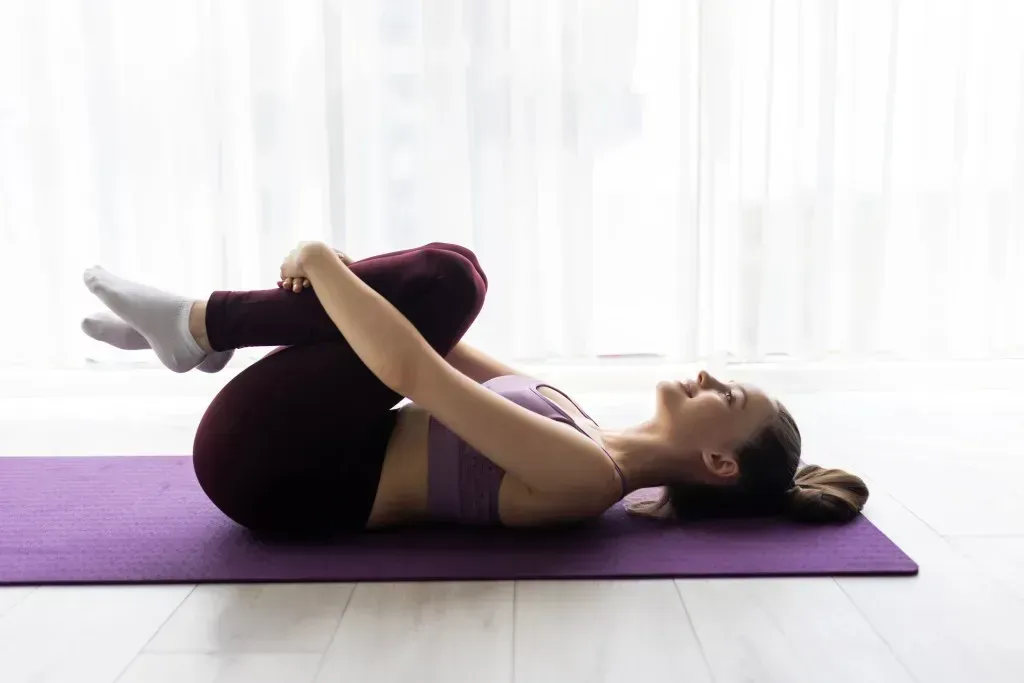
Step-by-Step: How To Do Kegel Exercise Kegel Exercise Correctly
1. Empty Your Bladder
Start with an empty bladder for comfort.
2. Get Into a Comfortable Position
For beginners:
-
Lie on your back with knees bent
-
Relax your stomach, glutes, and legs
3. Contract the Pelvic Floor Muscles
Squeeze and lift the muscles upward and inward.
4. Hold the Contraction
Start with 3–5 seconds.
5. Relax Completely
Rest for the same amount of time as your hold.
6. Repeat
Aim for 10–15 reps, 3 times daily.
Progression: How to Advance Kegel Exercise Kegel Exercise
As your strength improves, gradually:
Increase Hold Time
Work up to 10-second holds.
Add Quick Contractions
Tight squeeze, immediate release — helps with sudden leaks.
Practice in More Positions
-
Sitting
-
Standing
-
Walking
Incorporate Into Daily Life
Do gentle Kegels when
-
lifting objects
-
sneezing
-
exercising
This builds functional pelvic floor strength.
Common Mistakes When Doing Kegel Exercises
Avoid these errors to prevent worsening symptoms:
-
Squeezing glutes or inner thighs
-
Holding your breath
-
Contracting abdominal muscles
-
Overdoing exercises, causing muscle fatigue
-
Doing Kegels during urination
-
Not relaxing between contractions
Signs of Overtraining
Too many Kegels can cause pelvic floor tension. Watch for:
-
Pelvic pain
-
Difficulty relaxing muscles
-
Increased urgency or frequency
-
Pain during sex
-
Lower back discomfort
If symptoms appear, reduce frequency or consult a pelvic floor therapist.
Pelvic Floor Issues Kegels Cannot Fix
Kegel exercise is helpful, but not a cure-all.
Kegels cannot fix:
-
Chronic pelvic pain syndrome
-
Endometriosis
-
Interstitial cystitis
-
UTI symptoms
-
Nerve pain
-
Pelvic floor hypertonicity
Professional evaluation is important for persistent symptoms.
Tools That Can Help With Kegels
While not required, these tools can enhance technique:
-
Biofeedback devices
-
Pelvic floor trainers
-
Kegel balls
-
Smart pelvic floor sensors
Always consult a provider if pregnant or postpartum before using devices.
You might find this interesting: Pelvic Inflammatory Disease: A Complete, Detailed Guide
How the Belle Health App Can Help You
Building a stronger pelvic floor requires consistency — and that’s where the Belle App becomes incredibly useful:
With Belle, you can track your exercises with the daily notes or factors, set smart reminders, and monitor improvements over time. The app lets you log symptoms or create your own, so you can see how strengthening exercises impact your body throughout your cycle. By visualizing your progress, understanding pattern changes, and keeping all your pelvic-health notes in one place, Belle makes it easier to stay motivated and committed to your routine.
Download the Belle App
Final Thoughts Kegel Exercise
These exercises are a powerful, accessible way to strengthen pelvic floor muscles. When performed correctly and consistently, they improve bladder control, sexual wellness, and pelvic support.
However, proper technique—and understanding your pelvic floor’s needs—is essential. If symptoms persist, a pelvic floor specialist can help create a personalized plan.
FAQs Kegel Exercise
What is kegel exercise kegel exercise and how does it strengthen the pelvic floor?
Kegel exercise kegel exercise involves contracting and relaxing the pelvic floor muscles to improve bladder control, pelvic support, and sexual function. It strengthens the muscles responsible for stability in the lower pelvis.
How do I correctly perform kegel exercise kegel exercise at home?
To perform kegel exercise kegel exercise, locate the pelvic floor muscles by imagining you are stopping urine flow, then squeeze and lift for 5–10 seconds. Relax fully and repeat several times daily.
What benefits can kegel exercise kegel exercise provide?
Kegel exercise kegel exercise can improve urinary control, support pelvic organs, enhance sexual function, and aid postpartum recovery when done consistently and correctly.
Can men also benefit from kegel exercise kegel exercise?
Yes, men can benefit from kegel exercise kegel exercise. It helps strengthen pelvic floor muscles, improves bladder control, and may support erectile function and ejaculation control.
How often should I do kegel exercise kegel exercise for best results?
Most experts recommend doing kegel exercise kegel exercise in sets of 10–15 repetitions, three times per day, gradually increasing the hold time as pelvic floor strength improves.