How to Strengthen Pelvic Floor: A Complete Guide
Learn how to strengthen your pelvic floor with effective exercises, habits, and tips. Improve bladder control, and core stability.
How to Strengthen Pelvic Floor? Your pelvic floor plays a major role in daily comfort, sexual health, bladder control, posture, and even core strength. Yet for many people, it’s an overlooked part of the body — until symptoms start showing up. Whether you’re experiencing leakage when you sneeze, pelvic heaviness, postpartum changes, or simply want better core stability, strengthening your pelvic floor can make a big difference.
This guide breaks down everything you need to know: what the pelvic floor is, why it matters, and the most effective exercises and habits to strengthen it safely.
What Is the Pelvic Floor?
The pelvic floor is a group of muscles and connective tissues that form a hammock-like structure at the bottom of your pelvis. These muscles support your bladder, uterus, rectum, and intestines.
The pelvic floor has three main jobs:
-
Support – It holds your pelvic organs in place.
-
Control – It helps manage urination, bowel movements, and sexual function.
-
Stability – It works with your core muscles to stabilize your spine and pelvis.
A weak pelvic floor can lead to urinary incontinence, pelvic organ prolapse, lower back pain, or discomfort during sex.
Why Pelvic Floor Strength Matters
Strengthening your pelvic floor is beneficial for almost everyone, especially:
-
People who have given birth (vaginal or C-section)
-
People who leak urine when they sneeze, laugh, or run
-
People with pelvic pain
-
People who lift weights or do high-impact exercise
-
People who sit for long periods
-
People in perimenopause or menopause
Improving your pelvic floor strength can lead to:
-
Better bladder control
-
Improved core stability
-
Reduced pelvic and lower-back pain
-
Enhanced sexual sensation
-
Lower risk of organ prolapse
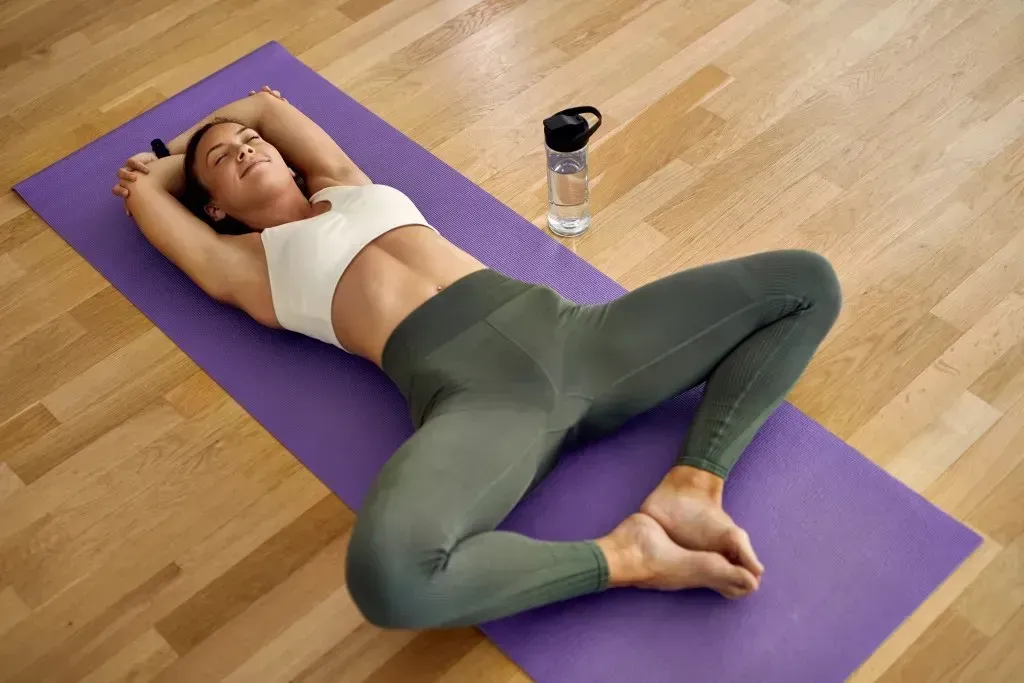
How to Strengthen Your Pelvic Floor: Best Methods
Below are the safest and most effective ways to strengthen your pelvic floor — whether you’re a beginner or already active.
1. Start With Proper Pelvic Floor Activation
Before strengthening, you need to learn how to properly engage the muscles.
How to find your pelvic floor:
-
For women: Imagine gently lifting a tampon upward or stopping the flow of urine.
-
For everyone: Picture the muscles around your anus subtly pulling inward, like stopping gas.
Important: You should feel a lift inside — not squeezing your butt, thighs, or abs.
If you’re unsure, try lying on your back with knees bent. This position makes activation easier.
2. Kegel Exercises (The Classic — When Done Correctly)
Kegels are the most well-known pelvic floor exercise, but many people do them wrong or too intensely.
How to do a proper Kegel:
-
Exhale and gently lift your pelvic floor.
-
Hold for 3–5 seconds (no breath holding).
-
Relax fully for the same amount of time.
-
Repeat 10 times, 2–3 times daily.
Tips for success:
-
Avoid tightening glutes or inner thighs.
-
Don’t “overtrain” — too many Kegels can cause tension instead of strength.
-
Relaxation is just as important as the contraction.
3. Long Holds + Quick Flicks (Balance of Strength + Control)
To strengthen endurance and quick reactions (like preventing leaks when you sneeze):
Long Holds
-
Contract for 5–10 seconds
-
Rest for 5–10 seconds
-
Repeat 10 times
Quick Flicks
-
Rapidly contract and release your pelvic floor
-
Repeat 10–15 times
This combination improves both sustained control and sudden pressure response.
4. Deep Breathing for Pelvic Floor Health
Your pelvic floor works with your diaphragm — the muscle you use to breathe.
Tension or shallow breathing can weaken pelvic floor coordination.
Try diaphragmatic breathing:
-
Sit or lie comfortably.
-
Place one hand on your belly.
-
Inhale through your nose — belly expands, pelvic floor gently relaxes.
-
Exhale — belly softens and pelvic floor gently lifts.
Repeat for 1–2 minutes daily.
This helps improve activation and reduces pelvic floor tension.
5. Exercises That Strengthen Your Pelvic Floor Naturally
These functional movements use your core, glutes, and hips — all essential for a strong pelvic floor:
Bridge
-
Lie on your back and lift your hips.
-
Add a pelvic floor lift as you rise.
Squats
- Strengthens hips and glutes, which support pelvic floor stability.
Bird-Dog
- Builds deep core coordination.
Dead Bug
- Great for pelvic floor + core connection.
Aim for 2–3 sets of 10–12 reps.
6. Avoid These Common Mistakes
Strengthening the pelvic floor isn’t just about doing more Kegels. Avoid:
-
Holding your breath
-
Clenching your stomach constantly
-
Overdoing Kegels (can lead to tightness)
-
Peeing “just in case” (weakens bladder signals)
-
Doing Kegels while urinating (can cause dysfunction)
Balance is key — strength + relaxation.
7. Consider a Pelvic Floor Physical Therapist
If you experience:
-
Pain during intercourse
-
Chronic pelvic pain
-
Frequent leakage
-
The feeling of pelvic heaviness
-
Difficulty identifying the muscles
A pelvic floor physiotherapist can provide personalized assessment, biofeedback, and a tailored exercise plan.
How Long Does It Take to See Results?
Most people notice improvements within:
-
2–4 weeks for muscle awareness
-
4–8 weeks for bladder control
-
8–12 weeks for long-term strength and stability
Consistency is everything.
How Tracking Your Progress Can Help You
Tracking your pelvic floor exercises consistently is one of the easiest ways to stay motivated and actually see progress. When you can visualize your routine, celebrate streaks, and notice changes in symptoms, it becomes much easier to stay committed.
The Belle Health App makes this simple: you can set gentle daily reminders, log each exercise, and track improvements in bladder control, core strength, and pelvic stability over time. Tracking turns small daily habits into long-term pelvic health benefits.
Download the Belle app
Final Tips for Healthy Pelvic Floor Strength
-
Practice daily, even for 5 minutes.
-
Focus on form over intensity.
-
Strengthen supporting muscles (glutes, core, hips).
-
Use reminders to stay consistent — apps help a lot.
-
Make sure you balance strength + relaxation.
A strong pelvic floor supports your entire body — physically, emotionally, and even hormonally. Small daily habits make a big difference.
FAQs
How can I strengthen my pelvic floor muscles?
You can strengthen your pelvic floor by doing exercises like Kegels, deep core breathing, bridges, and squats. These movements help activate and train the muscles that support your bladder, uterus, and bowel.
How long does it take to strengthen the pelvic floor?
Most people notice improvements within 4–8 weeks with consistent daily exercises. More significant strength and symptom relief often occur after 3 months of regular training.
How often should I do pelvic floor exercises?
Ideally, you should practice pelvic floor exercises every day. Short sessions of 5–10 minutes are enough if done consistently and with proper technique.
Can pelvic floor exercises help with bladder leaks?
Yes. Pelvic floor strengthening is one of the most effective ways to reduce stress incontinence and bladder leaks by helping the muscles support the bladder and control urine flow.
What are signs of a weak pelvic floor?
Common signs include bladder leaks, pelvic heaviness, reduced core stability, pain during intercourse, and difficulty holding gas or urine. Strengthening exercises can help improve these symptoms.