How Thyroid Dysfunction Impacts PMDD Symptoms
Discover the link between PMDD and thyroid health. Explore how thyroid issues can worsen PMDD symptoms and why thyroid testing is crucial.
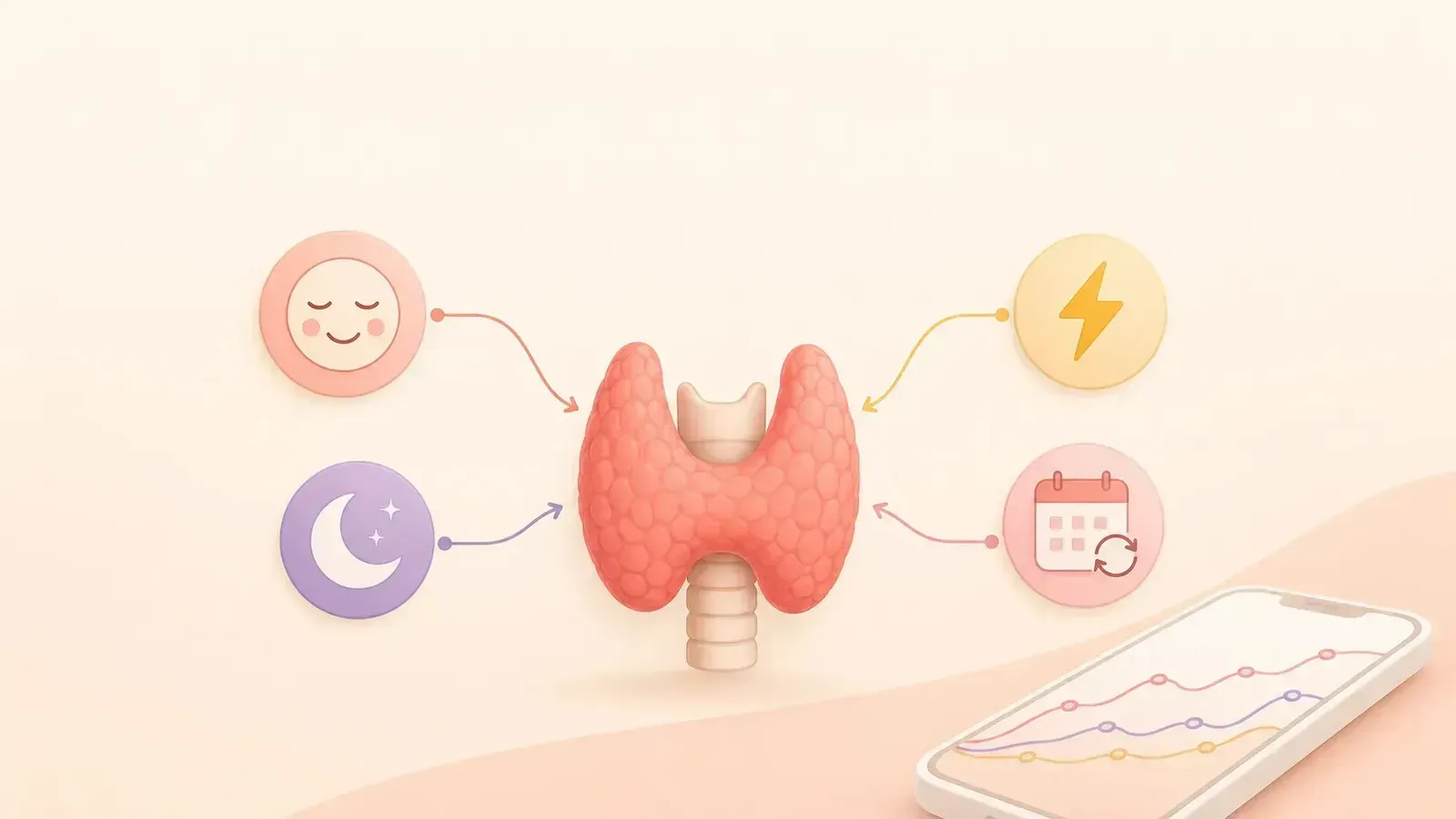
How Thyroid Dysfunction Impacts PMDD Symptoms? Premenstrual Dysphoric Disorder (PMDD) is a severe form of premenstrual syndrome (PMS) affecting around 8% of women of reproductive age. It involves mood disturbances, such as severe irritability, depression, and anxiety, which can severely impact daily life.
Recent studies suggest a possible link between PMDD and thyroid dysfunction, making thyroid health an important factor in managing PMDD symptoms.
Understanding PMDD
PMDD is characterized by severe emotional and physical symptoms that occur in the luteal phase of the menstrual cycle. Symptoms often include:
-
- Mood swings
- Severe depression
- Anxiety
- Irritability
- Fatigue
- Physical issues such as bloating and breast tenderness
These symptoms can be severe enough to disrupt daily activities and relationships.
The Role of Thyroid Health
The thyroid gland regulates metabolism, energy levels, and hormonal balance. Thyroid disorders, especially hypothyroidism (underactive thyroid), can worsen PMDD symptoms. Hypothyroidism results in insufficient hormone production, leading to fatigue, depression, and weight gain, which can overlap with PMDD symptoms.
What is the Thyroid?
How Thyroid Dysfunction Interacts with PMDD
- Hormonal Dysregulation: Thyroid hormones influence estrogen and progesterone levels. Imbalances can worsen the sensitivity to hormonal fluctuations seen in PMDD.
- Metabolism and Energy Levels: A sluggish metabolism due to hypothyroidism may compound the lethargy and brain fog characteristic of PMDD.
- Mental Health: Untreated thyroid dysfunction may aggravate anxiety, irritability, and depression during the premenstrual phase.
Why You Should Check Your Thyroid
Given the overlap in symptoms, it is crucial for women with severe premenstrual symptoms to get their thyroid function checked to help identify underlying thyroid issues contributing to or exacerbating PMDD symptoms.
A comprehensive thyroid panel, including the following key tests can help identify underlying thyroid issues contributing to or exacerbating PMDD symptoms:
- Thyroid Stimulating Hormone (TSH): Measures the signal from the brain to the thyroid, indicating whether the gland is functioning within normal limits.
- Free T3 and Free T4: Assess the active thyroid hormones responsible for energy metabolism and other critical bodily functions.
- Thyroid Antibodies: Detect autoimmune conditions like Hashimoto’s thyroiditis, which can impair thyroid function and contribute to worsening symptoms.
Managing PMDD with Thyroid Dysfunction
If thyroid dysfunction is detected, managing it can significantly improve PMDD symptoms. Treatments for hypothyroidism often include hormone replacement therapy to normalize thyroid hormone levels, which can reduce fatigue, depression, and other related symptoms.
Also, lifestyle modifications, such as a balanced diet, regular exercise, and stress management, can support overall hormonal balance and enhance the quality of life for those with PMDD.
Read more about PMDD & Diet
Conclusion: PMDD and Thyroid
The potential connection between PMDD and thyroid health underscores the need for a comprehensive approach to diagnosing and managing premenstrual disorders. Addressing thyroid dysfunction can lead to better symptom control and an improved quality of life.
Women experiencing severe premenstrual symptoms should consider thyroid testing to explore all possible underlying causes and appropriate treatment options.
FAQS
Which thyroid tests should I ask my doctor for?
A full “PMDD work-up” usually means TSH + free T4, and often free T3, thyroid-peroxidase (TPO) and thyroglobulin antibodies to rule out autoimmune disease. So ask your doctor for:
-
-
TSH and free T4 (core checks)
-
Sometimes free T3 plus two antibody tests (TPO and TG) to see if your immune system is attacking the gland.
-
Best time in my cycle for the blood test?
Thyroid levels stay steady, so any morning works. Many clinics pick the week right after your period just for convenience.
How much do thyroid tests cost?
With insurance: usually just your copay, often $0–$50.
Paying cash: online lab vouchers run about $10–$100; hospital labs can be $50–$200.
How often should I repeat labs if results are normal?
About once a year is fine. If your dose of thyroid medicine changes, re-check in 6–8 weeks.
If my thyroid is low, will treatment ease PMDD?
Fixing true hypothyroidism often lifts energy and mood, which can make PMDD feel lighter. It won’t help if your thyroid was normal to start with.
Can an over-active thyroid make PMDD worse?
Yes. Extra thyroid hormone can heighten anxiety, jitters and racing heart, adding fuel to pre-period mood swings.
Are finger-prick home thyroid kits reliable?
They use certified labs and are good for screening, but confirm any odd result with a standard blood draw at your doctor’s office.
Do any foods or supplements really help?
If you’re low in selenium, two Brazil nuts a day (about 200 µg) may support thyroid health. Check with your doctor before starting pills.
What are the symptoms of PMDD?
Common symptoms of PMDD include:
- Severe mood swings and irritability
- Depression or feelings of hopelessness
- Anxiety or tension
- Difficulty concentrating
- Fatigue and sleep disturbances
- Physical symptoms such as bloating, headaches, and breast tenderness
Symptoms typically start 7-14 days before menstruation and improve shortly after the period begins.
Why do I experience depression before my period?
Depression before your period may be linked to hormonal fluctuations during the menstrual cycle. For individuals with PMDD, this hormonal sensitivity leads to severe emotional symptoms, including sadness, hopelessness, or even suicidal thoughts. Unlike typical PMS, these depressive symptoms can interfere with daily functioning and may require medical attention.
What’s the difference between PMS vs PMDD?
The main difference between PMS (Premenstrual Syndrome) and PMDD (Premenstrual Dysphoric Disorder) lies in the severity of symptoms and their impact on daily life:
- PMS: Symptoms are mild to moderate and include bloating, mood changes, and minor irritability. They don’t significantly disrupt daily activities.
- PMDD: Symptoms are severe, including intense mood swings, depression, and debilitating physical symptoms, often requiring medical intervention to manage.