Can Depression Affect Your Period? Causes, Signs, and How to Get Your Cycle Back on Track
Can depression affect your period? Learn how stress, depression, and PMDD impact your cycle and discover treatment options to regain balance.
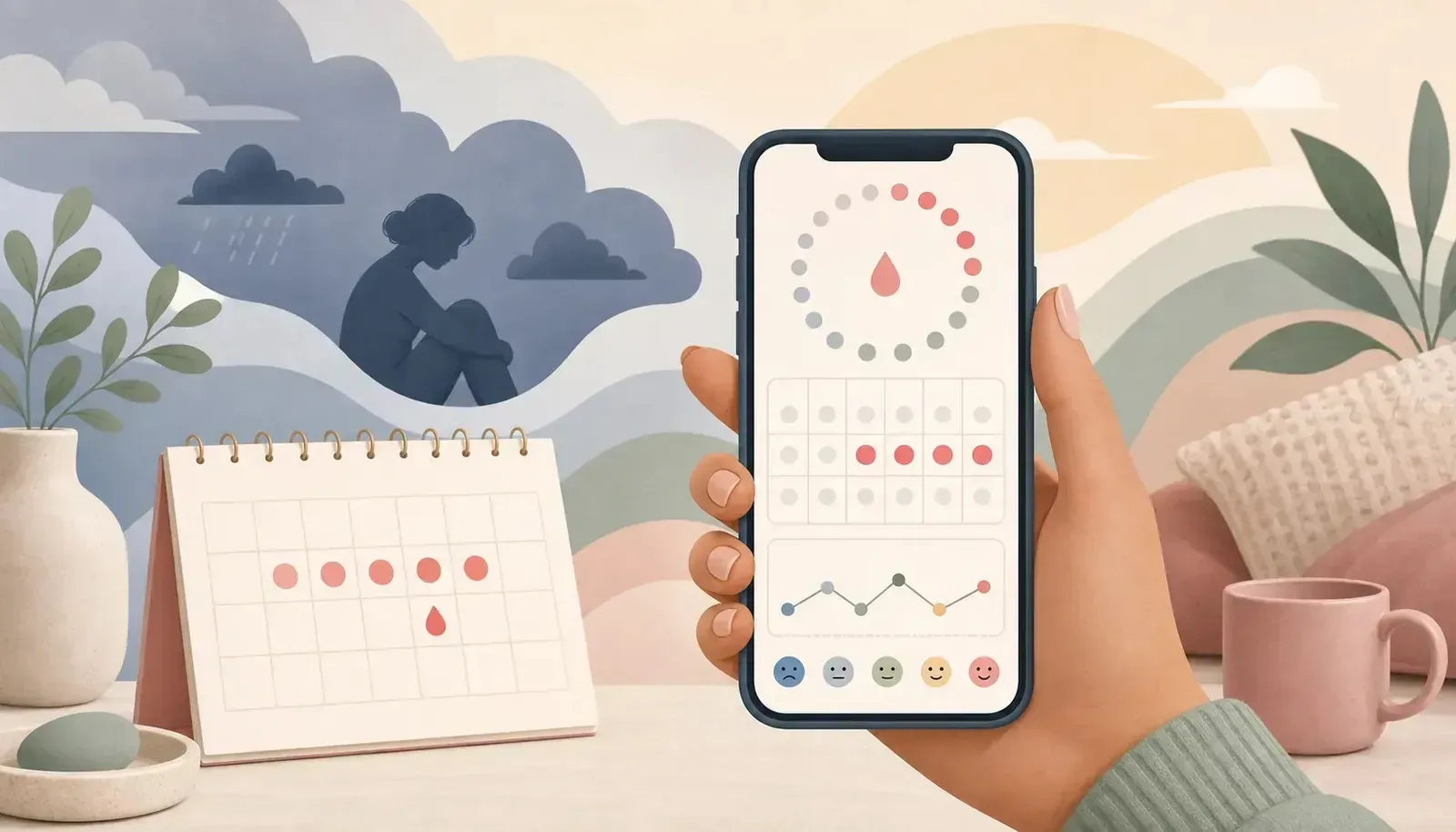
Can Depression Affect Your Period?
Many people don’t realize that their mental health and menstrual health are deeply connected. If you’ve ever wondered “Can depression affect your period?” — the short answer is yes. Stress and depression can disrupt your cycle, delay your period, make it heavier or lighter, or even stop it altogether.
In this guide, you’ll learn how depression, stress, and conditions like PMDD affect menstruation, what signs to watch for, and how to find treatment and balance again.
How Depression Affects the Menstrual Cycle
Depression is more than feeling sad — it’s a complex mental health condition that affects mood, sleep, appetite, and crucially, hormone balance. These same hormones regulate your menstrual cycle.
Key ways depression can affect your period:
Missed periods due to stress: Depression often goes hand in hand with high stress levels. Stress raises cortisol, the body’s main stress hormone, which can suppress reproductive hormones. This may delay or stop ovulation, sometimes causing a condition known as functional hypothalamic amenorrhea.
Irregular cycles: Hormonal fluctuations from depression can make your cycle unpredictable, sometimes shorter or longer than usual.
Heavy or painful periods: Research shows that people with depression are more likely to experience menorrhagia (heavy bleeding) and dysmenorrhea (painful periods). Studies like this review on depression and menstrual cycle disruptions provide evidence that stress can significantly impact menstrual health.
Earlier menopause: Chronic depression may be linked to earlier onset of perimenopause and menopause.

Can Stress Delay Your Period?
Yes, stress is one of the most common reasons for a late or missed period when pregnancy is ruled out. When your body is under high stress, it prioritizes survival over reproduction. The hypothalamus — the brain’s hormonal control center — may reduce the signals that tell your ovaries to release an egg. This can delay or stop your period.
If stress is impacting your cycle, consider exploring holistic strategies for stress reduction, such as those shared in our resource on biohacking for women.
Understanding PMDD
Premenstrual Dysphoric Disorder (PMDD) is a severe form of PMS that can cause intense mood swings, depression, and physical symptoms before your period starts. Unlike typical PMS, PMDD can be so disruptive that it affects work, relationships, and daily life. Many people with PMDD feel extreme sadness, hopelessness, or anxiety in the week or two leading up to menstruation, with relief once their period begins.
One of the most effective ways to manage PMDD is to track your symptoms and cycle patterns over time. Logging when your mood changes, physical symptoms, and period days occur helps you and your healthcare provider spot patterns and adjust treatment.
Using an app like Belle can make tracking your period, mood shifts, sleep, and stress levels simple and insightful. The Belle app helps you connect the dots between your mental health and cycle phases so you can better prepare for the days when PMDD symptoms tend to peak — and find relief sooner with personalized self-care tips.
Can Antidepressants Affect Your Period?
Some antidepressants can impact your menstrual cycle. For example:
- Selective serotonin reuptake inhibitors (SSRIs) like sertraline and fluoxetine may contribute to heavier bleeding or, in rare cases, amenorrhea (missing periods).
- These medications can affect prolactin levels, which may suppress ovulation.
- Electroconvulsive therapy (ECT) and certain herbal remedies, such as St. John’s Wort, may also interfere with your menstrual cycle.
If you notice period changes after starting antidepressants, consult your doctor. They may adjust your dose or recommend an alternative.
How to Know if Depression Is Affecting Your Period
If you notice any of these signs, depression or stress could be impacting your cycle:
- You’ve missed three or more periods and are not pregnant.
- Your cycles become suddenly irregular.
- You’re experiencing heavy bleeding or severe period pain along with worsening depression or anxiety.
Your healthcare provider may recommend blood tests to check hormone levels (FSH, LH, estrogen), thyroid function tests, or a pelvic ultrasound to rule out other conditions like PCOS or thyroid disorders.
Treatment Options
Treating depression-related period problems involves addressing both mental health and hormonal balance.
Mental health support:
- Cognitive Behavioral Therapy (CBT) helps manage depression and stress.
- Antidepressant medications (SSRIs, SNRIs) may help.
- For PMDD, SSRIs during the luteal phase can be especially effective.
Hormonal treatments:
- Birth control pills can regulate irregular periods and reduce heavy bleeding.
- Hormonal therapy may help if menopause is approaching.
Lifestyle changes:
Healthy habits support both mood and menstrual regularity:
- Exercise regularly — daily movement can reduce stress hormones.
- Eat a balanced diet rich in whole foods and calcium. If you’re in your twenties, see our list of good vitamins for women in their 20s.
- Prioritize sleep and practice stress-reducing techniques like meditation, yoga, or journaling.
Keeping a menstrual diary can help you and your provider track changes and identify patterns.
When to Talk to a Doctor
Contact your healthcare provider if:
- You miss three or more periods in a row and are not pregnant.
- Your periods become unexpectedly heavy, painful, or unpredictable.
- Your depression symptoms worsen, especially before your period.
- You suspect you might have PMDD.
Your doctor can help you find the underlying cause — whether it’s stress, depression, hormonal imbalance, or another medical issue — and recommend a personalized treatment plan.
The Verdict
So, can depression affect your period? Absolutely. Your mental and menstrual health are strongly connected. By recognizing this link, seeking professional support, and practicing healthy habits, you can regain balance and feel more like yourself again.
FAQs About Depression and your period
Can treating depression help regulate my period?
Often, yes. If depression or chronic stress is causing hormonal imbalances, treating the root cause can help restore regular cycles. This might include therapy, antidepressants, lifestyle changes, or hormonal treatments if needed. Many people find that when their mental health improves, their periods become more predictable too.
Why did I miss my period but I’m not pregnant?
Missing a period when you’re not pregnant can happen for many reasons, but stress and depression are common causes. When you’re under physical or emotional stress, your body may pause ovulation to conserve energy. Other possible reasons include sudden weight loss, intense exercise, thyroid problems, or conditions like PCOS.
What is PMDD and how is it different from PMS?
PMDD (Premenstrual Dysphoric Disorder) is a severe type of PMS that includes extreme mood changes, depression, or anxiety in the days before your period. Unlike regular PMS, PMDD symptoms can interfere with daily life and often require treatment. Tracking your cycle and symptoms with an app like Belle can help you identify if PMDD might be affecting you.