Good Vitamins For Every Woman in Her 20s: Essentials for Energy, Health, and Wellness
Discover Good Vitamins for Every Woman in Her 20s to boost energy, support immunity, and promote healthy skin and hair.
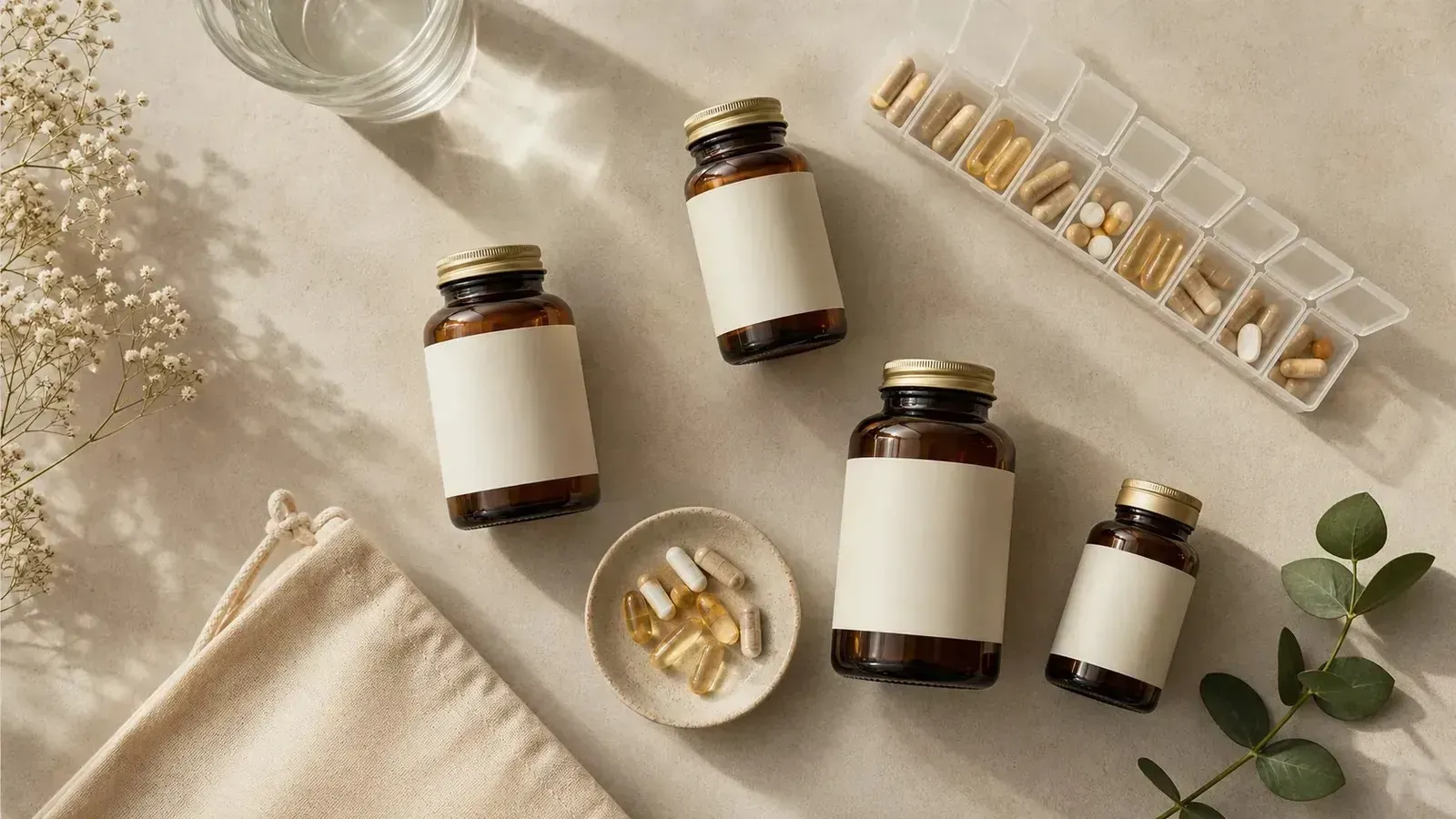
What are the best Vitamins for Every Woman in Her 20s? Your 20s are an exciting, transitional decade. Between balancing work, study, relationships, and self-care, it’s easy to overlook daily nutrition. Yet the nutrients you get — or don’t get — during this time can shape how energetic, focused, and resilient you feel.
A balanced diet and the right vitamins help you feel your best now while protecting your health for years to come. They can even support a smoother, healthier menstrual cycle, which is something many young women struggle with — whether it’s painful periods, irregular cycles, or hormonal ups and downs.
Why Nutrition Matters in Your 20s
Your 20s are when your body finishes growing and sets its foundation for future health. Your bones are still building density until about age 30. Hormonal shifts can cause irregular cycles, skin changes, and mood swings. Work stress, social life, and sleep habits all affect your body’s nutrient needs too.
Eating a variety of whole foods is the first step, but even then, some nutrients are hard to get enough of through diet alone. A carefully chosen multivitamin or targeted supplements can help fill those gaps. According to Healthline, the best multivitamins for women in their 20s should include:
Good Vitamins Every Woman in Her 20s Should Know About
Iron: For Energy and Hormone Support
Iron carries oxygen in your blood and keeps your energy up. Women lose iron every month during their period, and low iron is one of the most common nutrient deficiencies in young women. Low iron can make you feel tired, weak, or even dizzy.
Vegetarians and vegans are at higher risk for iron deficiency since plant-based iron is harder for the body to absorb. That’s why it’s important to pair iron-rich foods like spinach or lentils with vitamin C sources (like citrus fruits) to help your body use the iron effectively.
Vitamin D: For Bone Strength and Immunity
Known as the “sunshine vitamin,” vitamin D helps your body absorb calcium and keeps your bones strong. It also plays a big role in your immune system and mood balance. Low vitamin D levels can cause fatigue, low mood, and weaker bones over time.
Many people are deficient because modern lifestyles keep us indoors. Even if you live in a sunny climate, sunscreen (which is still essential) blocks vitamin D production in your skin.
Eating vitamin D-rich foods like fatty fish, egg yolks, and fortified dairy helps, but many people still benefit from a supplement — especially in winter months.
Calcium: For Healthy Bones Now and Later
You build up almost all of your bone density by your late 20s. If you don’t get enough calcium now, you may increase your risk of osteoporosis later in life. Calcium also supports healthy teeth, muscles, and nerves.
Good sources include dairy products like milk and yogurt, leafy greens like kale and bok choy, fortified plant milks, and almonds. If you can’t meet your needs through food, a calcium supplement can help close the gap.
B Vitamins: For Energy, Brain Health, and Hormone Balance
B vitamins — especially B12 and folate — help your body turn food into energy. They also support healthy brain function and mood regulation. Folate (or folic acid in supplements) is especially important for women of childbearing age, because it prevents birth defects in early pregnancy — often before you even know you’re pregnant.
Good sources of B vitamins include whole grains, eggs, dairy, leafy greens, beans, and nuts. Many women’s multivitamins include B vitamins to help cover any gaps.
Omega-3s: For Brain, Skin, and Heart Health
Omega-3 fatty acids aren’t technically vitamins, but they’re an important healthy fat that your body can’t make on its own. Omega-3s help reduce inflammation, support brain function, balance mood, and keep your skin looking healthy.
Fatty fish like salmon and mackerel are the best food sources. If you don’t eat fish regularly, a high-quality fish oil or algae-based omega-3 supplement can help you reach healthy levels.
How Tracking Can Help Choose Good Vitamins Every Woman in Her 20s
If you’re not sure which symptoms are linked to your cycle or which vitamins might be making a difference, tracking your health can give you real insights. Using the Belle App helps you connect the dots between your habits, nutrition, and how you feel throughout the month.
Over time, you may start to notice patterns — like feeling more tired before your period, or how your mood improves when you consistently take vitamin D or omega-3s. This awareness can guide smarter choices and help you and your doctor personalize your care.
Should You Take a Daily Multivitamin?
Ideally, you’d get all the nutrients you need from whole foods. But for many women in their 20s — juggling school, work, travel, or a busy social life — a multivitamin can be an easy safety net to fill any gaps.
A good women’s multivitamin for your 20s should include iron, vitamin D, calcium, B vitamins, and possibly omega-3s (or you can take those separately). Be sure to choose a reputable brand with third-party testing to ensure you’re getting what’s on the label.
If you follow a vegetarian, vegan, or restrictive diet, or have health conditions that affect nutrient absorption, a daily multivitamin is often especially helpful.
Healthy Lifestyle Habits That Make Vitamins Work Better
Vitamins only help if your overall lifestyle supports them. Here are simple habits to help your body absorb and use nutrients effectively:
- Eat a variety of whole foods, including fruits, vegetables, whole grains, lean proteins, and healthy fats.
- Drink plenty of water throughout the day.
- Get regular exercise to support circulation and metabolism.
- Spend a little time outdoors for natural vitamin D (while protecting your skin).
- Get enough sleep — your body repairs itself and balances hormones during deep rest.
- Limit processed foods, added sugars, and alcohol, which can deplete essential nutrients.
When to Talk to a Doctor or Nutritionist
Every woman’s body and lifestyle are different. If you have heavy periods, fatigue, skin breakouts, hair loss, or other unexplained symptoms, your doctor can run blood tests to check for vitamin deficiencies. They can help you decide which supplements you truly need and which ones to skip.
If you’re planning to get pregnant in the next few years, talk with your doctor about starting a prenatal vitamin — it’s often recommended before conception.
FAQs About Good Vitamins For Every Woman in Her 20s
What vitamins help regulate periods for women in their 20s?
Several vitamins and nutrients play an important role in keeping your menstrual cycle regular and healthy. Iron helps replace what’s lost during your period and prevents fatigue. Vitamin D supports hormone balance and may help regulate irregular cycles. B vitamins, especially B6 and B12, help manage PMS symptoms and keep hormones stable. Omega-3 fatty acids reduce inflammation, which can ease cramps and support balanced hormones overall. A healthy, balanced diet combined with the right vitamins can make a big difference in your cycle and overall well-being.
Can taking vitamins help with PMS symptoms?
Yes. Certain vitamins, like B6, calcium, and magnesium, have been shown to help ease PMS symptoms such as bloating, cramps, mood swings, and breast tenderness. Omega-3s can also help by reducing inflammation and menstrual pain.
Do women in their 20s really need supplements if they eat healthy?
A balanced diet is always the foundation of good health, but even with healthy eating, many young women fall short on key nutrients like iron, vitamin D, or omega-3s. Busy schedules, stress, and dietary choices (like vegetarian or vegan diets) can create gaps that a multivitamin or targeted supplement helps to fill.
What’s the most important vitamin for women in their 20s if they only choose one?
It depends on your lifestyle and health needs, but iron and vitamin D are often the most crucial. Iron supports energy and hormone health, especially if you have heavy periods. Vitamin D is essential for bone strength and mood balance, and many women are deficient without realizing it.
Is there a simple supplement that covers both wellness and beauty needs for women in their 20s?
Yes. Some supplements are designed to support both your overall health and beauty goals. For example, Belle Health Cycle Glow Gummies include vitamin B6 for hormone balance, vitamin D for immunity and mood, zinc for cognitive clarity, and marine collagen to support skin and nail strength. It’s a convenient option if you want daily nutrients that fit easily into your routine while also giving you that “beauty-from-within” boost.