13 DPO: Testing, Symptoms, and Early Pregnancy Signs
13 DPO may be too early for a definitive test: while some may see a positive, others need more time for hCG to rise. Wait 2-3 days and retest
The journey of trying to conceive is filled with anticipation, especially during the two-week wait (TWW). By 13 days past ovulation (13 DPO), many women are eager to take a pregnancy test, hoping for confirmation of early pregnancy. However, questions arise—Is 13 DPO too early to test? Can you get a positive result at this stage? What if the test is negative but symptoms persist? This comprehensive guide explores everything related to 13 DPO, including testing accuracy, potential symptoms, and what different results might mean.
Learn more about What Does DPO Mean? – Days Past Ovulation
Understanding 13 DPO and Pregnancy Testing
At 13 DPO, the body may have already undergone implantation if conception occurred. Implantation typically happens between 6 to 12 DPO, with the most common window being 8 to 10 DPO. Once the embryo implants, the placenta begins producing human chorionic gonadotropin (hCG), the hormone detected by pregnancy tests.
The ability to get a positive test at this point depends on several factors:
Implantation Timing and hCG Levels
If implantation occurred early (around 8 to 9 DPO), hCG levels may be high enough to detect by 13 DPO, especially with a sensitive early detection test. However, if implantation happened later (around 11 to 12 DPO), hCG might still be too low to register on a test.
Pregnancy Test Sensitivity
Not all pregnancy tests are equally sensitive. Some early detection tests can identify hCG levels as low as 10 mIU/mL, while standard tests require 25 mIU/mL or more. Using a high-sensitivity test increases the chances of an early positive result.
Potential for False Negatives
Even at 13 DPO, a negative test does not definitively rule out pregnancy. If hCG levels are still rising, retesting in 2 to 3 days may yield a different result. Additionally, if ovulation was later than estimated, testing might actually be too early.
Can You Get a Positive Pregnancy Test at 13 DPO?
Yes, a positive result at 13 DPO is possible, particularly if:
- Implantation occurred before 10 DPO, allowing sufficient time for hCG to rise.
- A highly sensitive test is used.
- The body produces hCG rapidly.
However, some women may still receive a negative result at this stage, even if pregnant, due to later implantation or slower hCG production.
What Does a Negative Test at 13 DPO Mean?
A negative result at 13 DPO can be disheartening, but it does not always mean pregnancy hasn’t occurred. Possible explanations include:
- Late Implantation – If the embryo implanted at 11 or 12 DPO, hCG may not yet be detectable.
- Low hCG Levels – Some women have slower-rising hCG, requiring more time before a test turns positive.
- Testing Too Early – Even if conception happened, testing before a missed period increases the likelihood of a false negative.
If the test is negative but menstruation does not begin, retesting at 15 or 16 DPO is advisable. Some women do not receive a positive result until after their expected period.
Common 13 DPO Symptoms
At 13 DPO, some women experience early pregnancy symptoms, while others notice nothing unusual. Hormonal changes can cause various signs, though they can also mimic premenstrual syndrome (PMS). Possible symptoms include:
Breast Changes
Increased progesterone and hCG can lead to breast tenderness, swelling, or heightened sensitivity.
Fatigue
Many women report extreme tiredness in early pregnancy due to rising hormone levels.
Mild Cramping
Some experience light uterine cramping as the embryo implants and the uterus begins to adjust.
Changes in Cervical Mucus
After implantation, cervical mucus may become thicker, creamier, or more abundant.
Nausea or Food Aversions
While morning sickness typically starts after a missed period, some women notice early queasiness or sudden dislikes for certain foods.
Light Spotting (Implantation Bleeding)
If implantation occurred around 10 to 12 DPO, slight pink or brown spotting may appear, differing from a regular period.
However, some women have no symptoms at 13 DPO and still end up pregnant, while others experience strong symptoms but are not pregnant. The only definitive confirmation comes from a pregnancy test or the arrival of menstruation.
What If There Are No Symptoms at 13 DPO?
The absence of symptoms at 13 DPO does not necessarily indicate a lack of pregnancy. Every woman’s body responds differently—some may not feel any changes until weeks later, while others notice subtle differences immediately.
Possible reasons for no symptoms include:
- Later implantation, meaning hormonal shifts haven’t yet triggered noticeable changes.
- Low hCG levels, which may not yet be causing physical effects.
- Natural variation, as some women simply do not experience early pregnancy symptoms.
If the test is negative and no symptoms are present, waiting a few more days before retesting is the best approach.
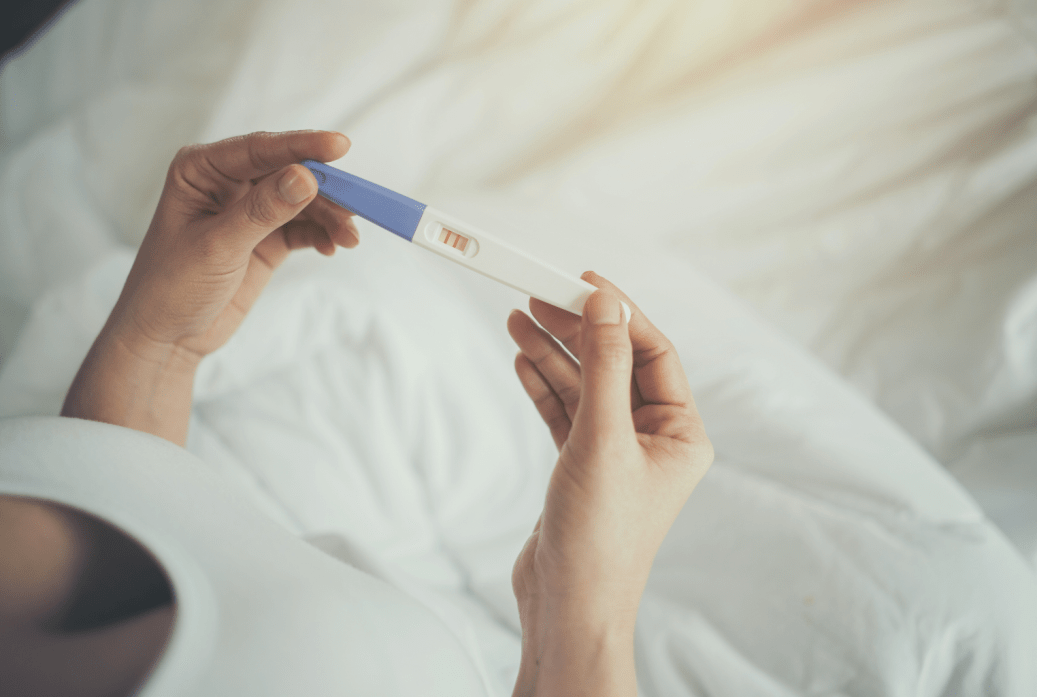
Should You Test at 13 DPO?
Testing at 13 DPO can provide early answers, but results should be interpreted with caution:
- A positive result is likely accurate, especially if using a sensitive test.
- A negative result does not rule out pregnancy—waiting a few more days and retesting is recommended.
- Symptoms alone are not reliable indicators, as they can overlap with PMS.
For the most conclusive results, waiting until 14 to 16 DPO or until after a missed period increases accuracy.
How to Track Ovulation
To accurately determine when you ovulate, try:
- Tracking your cycle length (the Belle app can help!).
- Observing cervical mucus changes.
- Measuring basal body temperature daily.
- Using ovulation predictor kits (OPKs).
Final Thoughts
The two-week wait can be an emotional and uncertain time. While 13 DPO is a reasonable point to test, particularly with a sensitive early detection kit, a negative result does not always mean conception hasn’t occurred. Patience is key—if menstruation is delayed, retesting in a few days can provide clarity.
For those eager to maximize early detection, tracking ovulation with precision and using high-sensitivity tests can improve the chances of an early positive. If uncertainty persists, consulting a healthcare provider for blood testing (which detects hCG earlier than urine tests) may offer further insight.
You might find this interesting:
FAQs
Is 13 DPO too early to take a pregnancy test?
While some women may get a positive result at 13 DPO, it’s still early—especially if implantation occurred later (10-12 DPO). If your test is negative but your period hasn’t arrived, wait 2-3 days and retest.
Can I trust a positive pregnancy test at 13 DPO?
Yes, a positive at 13 DPO is likely accurate, as false positives are rare. However, if the line is very faint, confirm with another test in 48 hours to ensure hCG is rising properly.
Why is my 13 DPO test negative if I feel pregnant?
Early pregnancy symptoms (fatigue, sore breasts) can mimic PMS. A negative test may mean hCG isn’t yet detectable—wait a few more days or until your missed period for a more reliable result.
When should I test again if negative at 13 DPO?
If your period is late, retest at 15-16 DPO or after your expected period date. Blood tests (quantitative hCG) can provide earlier confirmation if needed.