Why Am I So Tired on My Period? Understanding Period Fatigue
Why am I so tired on my period? Hormonal shifts, iron loss, and poor sleep can cause fatigue. Learn how to fight period exhaustion.
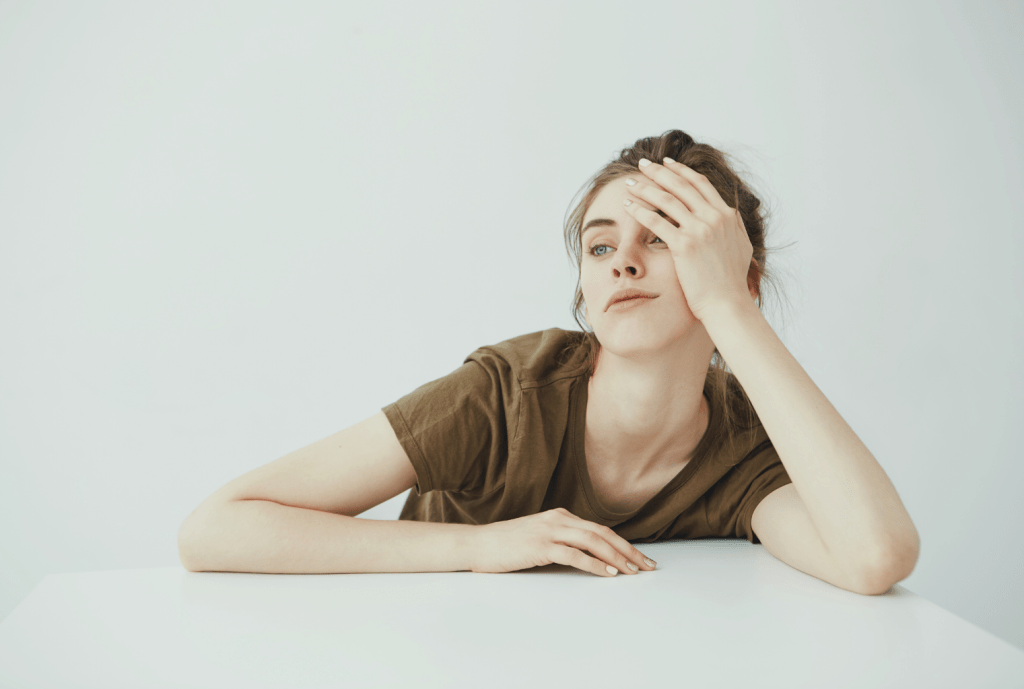
Many women experience extreme tiredness before or during their menstrual cycle, often leaving them wondering, “Why am I so tired on my period?” Fatigue is a common symptom of menstruation and can be caused by hormonal changes, blood loss, and other factors. Let’s explore the reasons behind period fatigue and how to manage it.
Why Do I Feel So Tired During My Period?
1. Hormonal Changes
The menstrual cycle is regulated by hormones like estrogen and progesterone, which fluctuate throughout the month.
-
Before your period (PMS phase): Progesterone levels rise, which can make you feel sluggish and sleepy.
-
During your period: A sudden drop in estrogen and progesterone can lead to low energy and fatigue.
2. Iron Deficiency (Anemia)
Heavy menstrual bleeding can lead to iron loss, reducing red blood cell production. Since red blood cells carry oxygen, low iron levels can cause:
-
Extreme tiredness
-
Weakness
-
Dizziness
If you suspect anemia, consult a doctor—iron supplements or iron-rich foods (like spinach, red meat, and lentils) may help.
3. Poor Sleep Quality
Period symptoms like cramps, bloating, and discomfort can disrupt sleep. Additionally:
-
Progesterone has a sedative effect, making you feel drowsy.
-
Pain and discomfort can lead to restless nights.
4. Inflammation & Prostaglandins
During menstruation, your body releases prostaglandins, hormone-like compounds that trigger uterine contractions. High levels can cause:
-
Cramps
-
Fatigue
-
Body aches
5. Low Blood Sugar & Diet Changes
Hormonal shifts can affect blood sugar levels, leading to energy crashes. Additionally, cravings for sugary or processed foods can worsen fatigue.
6. Emotional Stress & Mood Swings
PMS and menstruation can increase stress, anxiety, and mood swings, all of which contribute to mental and physical exhaustion.
How to Combat Period Fatigue
-
Get Enough Sleep
Aim for 7–9 hours of quality rest each night. Sleep helps your body recover and maintain energy levels. -
Stay Hydrated
Even mild dehydration can increase fatigue. Drink water consistently throughout the day. -
Eat Iron-Rich Foods
Iron helps prevent anemia, a common cause of tiredness. Include foods like spinach, lentils, or red meat. -
Exercise Lightly
Gentle movement like walking or yoga can improve circulation. It may also ease discomfort and lift your mood. -
Reduce Caffeine & Sugar
These can lead to sudden crashes in energy. Try to limit intake and opt for balanced snacks instead. -
Try Heat Therapy
Using a heating pad may soothe cramps and tension. It can also promote better relaxation and sleep. -
Consider Supplements
Magnesium, vitamin B6, and iron (if you’re low) may help. Always check with a doctor before starting new ones.
How Cycle Tracking Can Help Feeling Tired on My Period
Tracking your menstrual cycle with the Belle App can help you predict fatigue patterns, so you can plan rest days, adjust workouts, and prioritize self-care before exhaustion hits. Noticing trends over time may also reveal if your tiredness is linked to anemia, PMS, or other underlying issues—helping you take targeted action.
For a more complete picture, a smart ring like the Belle Ring can passively track overnight trends in sleep, resting heart rate, heart rate variability (HRV), skin temperature and stress. Seeing how your energy lines up with your luteal phase symptoms can help you anticipate the days you are most likely to feel drained and plan around them. If your exhaustion feels constant rather than cycle-linked, it may help to read about tracking chronic fatigue, and if low mood and disrupted sleep cluster in the days before your period, see our guide to PMDD, sleep and the Belle Ring. Belle Ring helps you notice patterns over time—it does not diagnose the cause of your fatigue.
When to See a Doctor
If fatigue is severe, persistent, or accompanied by: Excessive bleeding, severe dizziness, unusual weakness, it could indicate an underlying condition like PCOS, thyroid issues, or chronic fatigue syndrome.
Final Thoughts – Why Am I So Tired on My Period
Feeling exhausted on your period is normal, but understanding the causes can help you manage it better. Listen to your body, rest when needed, and adjust your diet and lifestyle to support your energy levels.
You might find this interesting:
FAQs Why Am I So Tired on My Period
Why do I feel so exhausted right before my period?
This is often due to PMS (Premenstrual Syndrome). Rising progesterone levels before your period can make you feel sluggish, while drops in estrogen may lower serotonin (a mood-boosting hormone), leading to fatigue and mood swings.
Can heavy periods make fatigue worse?
Yes! Heavy bleeding can lead to iron deficiency (anemia), reducing oxygen flow in your body and causing extreme tiredness, dizziness, and weakness. If you suspect anemia, consult a doctor for an iron test.
Why do I feel sleepy but can’t sleep well during my period?
Hormonal shifts (like progesterone’s sedative effect) can make you drowsy, but cramps, bloating, and discomfort may disrupt sleep. Try heat therapy, magnesium supplements, or gentle stretching before bed to improve sleep quality.
How can I boost my energy when I’m on my period?
-
Hydrate well (dehydration worsens fatigue).
-
Eat iron-rich foods (spinach, red meat) to combat anemia.
-
Light exercise (yoga, walking) increases endorphins.
-
Limit caffeine & sugar (they cause energy crashes).
-
Prioritize sleep (7-9 hours).
This article is for general educational information only and is not medical advice. The Belle Ring helps you observe trends in signals such as sleep, skin temperature, resting heart rate, heart rate variability (HRV) and stress—it does not diagnose, treat or prevent any medical condition, including anemia, PCOS or thyroid problems. If your fatigue is severe, persistent or accompanied by other worrying symptoms, please speak with a qualified clinician.