Why Am I So Emotional After My Period?
Feeling emotional after your period? Learn why post-period mood swings happen and how tracking can help you understand your cycle better.
Why Do I Feel Emotional After My Period? Many people expect to feel relief and renewed energy after their period ends — but sometimes, emotions hit harder than before. You might feel unusually sad, anxious, or irritable, even though your bleed is over.
If you’ve ever asked yourself, “Why am I so emotional after my period?”, you’re not alone.
This emotional wave is often linked to hormonal fluctuations, nutrient depletion, and the emotional crash that follows the stress of your premenstrual phase. Let’s unpack the science behind it.
Hormonal Shifts After Your Period
After menstruation, estrogen levels start to rise again — but at first, they can remain low for several days. Since estrogen supports serotonin (the “happy” neurotransmitter), this temporary dip can leave you feeling low, anxious, or extra sensitive. Your body is essentially rebalancing itself after days of hormone withdrawal, blood loss, and fatigue.
For some, this period of hormonal transition can bring on a “mini-PMS” feeling — irritability, tearfulness, and mood swings — even though ovulation is still days away.
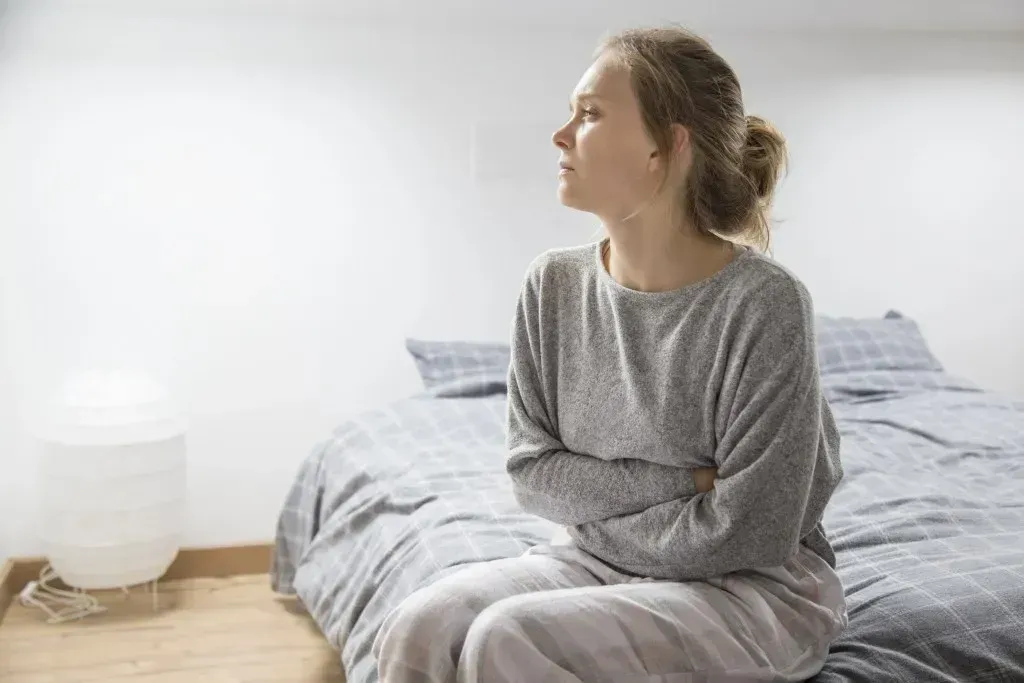
Emotional and Physical Fatigue
Your body just went through a major physiological process. Losing blood, cramping, and fluctuating hormones can all drain energy and nutrients. Low iron, magnesium, and vitamin B levels, common after a period, can also impact your mood regulation and energy levels. It’s not “all in your head” — your brain and body are both recovering.
Psychological and Environmental Triggers
Sometimes, emotions after your period are connected to stress, relationship dynamics, or overstimulation that your body couldn’t process during PMS. Once your hormones shift, those feelings might resurface all at once — leading to crying spells, irritability, or a sense of being “off.”
Tracking your emotional cycles can help you identify these patterns and feel more in control.
How Tracking Can Help
Cycle tracking with tools like the Belle App can make a huge difference. By logging your moods, symptoms, and energy levels, you’ll start seeing patterns that repeat — often right after your period ends.
The Belle App helps you visualize when emotional sensitivity tends to peak, so you can plan rest, self-care, or nutrient support accordingly.
Understanding your emotional rhythm is the first step toward feeling more grounded and less caught off guard.
When to Seek Help
If your post-period emotions feel intense, prolonged, or interfere with daily life, it could be a sign of PMDD (Premenstrual Dysphoric Disorder) or another hormonal imbalance.
In that case, consult a healthcare provider. Cycle tracking data from the Belle App can also give your doctor valuable insights into your emotional and physical symptoms.
Related reading: period nausea
FAQs About Feeling Emotional After Your Period
Why am I so emotional after my period ends?
Hormonal fluctuations, especially low estrogen right after your period, can affect serotonin levels and mood. Tracking these changes in the Belle App helps you see if it’s a recurring pattern.
Is it normal to cry after my period?
Yes. Emotional sensitivity after your period is common as your body readjusts hormonally. Using the Belle App can help you notice when crying spells or mood dips tend to happen.
How long do post-period emotions last?
They usually last 1–3 days, but everyone is different. The Belle App lets you log emotions daily, helping you see exactly how long your mood takes to stabilize.
Can diet or vitamins help with emotions after my period?
Absolutely. Iron, magnesium, and vitamin B-rich foods can support mood recovery. The Belle App can remind you when to focus on nutrition based on your cycle phase.
How can I stop feeling so emotional after my period?
Tracking your cycle with the Belle App, practicing rest, and managing stress can help. If symptoms persist, sharing your tracked data with a healthcare provider can lead to better support.