What Is an Anteverted Uterus?
Learn what an anteverted uterus is, how common it is, and whether it affects fertility, periods, or pelvic pain.
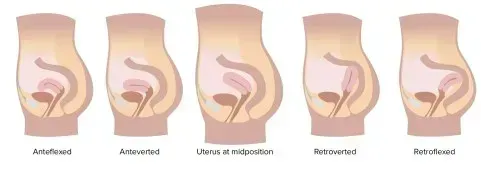
An anteverted uterus simply means the uterus tilts forward toward the bladder instead of backward. It’s the most common uterine position and is considered completely normal.
How Common Is It?
Around 70–75% of people with a uterus have an anteverted uterus.
Does It Cause Symptoms?
Usually, no. Most people never know their uterine position unless told during an exam or ultrasound.
In some cases, it may be associated with:
-
Mild pelvic pressure
-
Discomfort with certain sexual positions
-
Slight differences in period cramping
Download the Belle App
Anteverted Uterus & Fertility
An anteverted uterus does not reduce fertility and does not affect pregnancy outcomes.
FAQs
Is an anteverted uterus normal?
Yes. It’s the most common uterine position and not a medical issue.
Can an anteverted uterus cause pain?
Most people feel no symptoms, though some may notice mild pelvic discomfort.
Does uterine position affect pregnancy?
No — an anteverted uterus does not impact fertility or pregnancy success.
Can uterine position change over time?
Yes. Pregnancy, pelvic surgery, or aging can slightly shift uterine position.
Should I track pelvic symptoms in Belle?
Tracking pain, pressure, or cycle changes in Belle can help identify patterns.