What Does a Gynecologist Do?
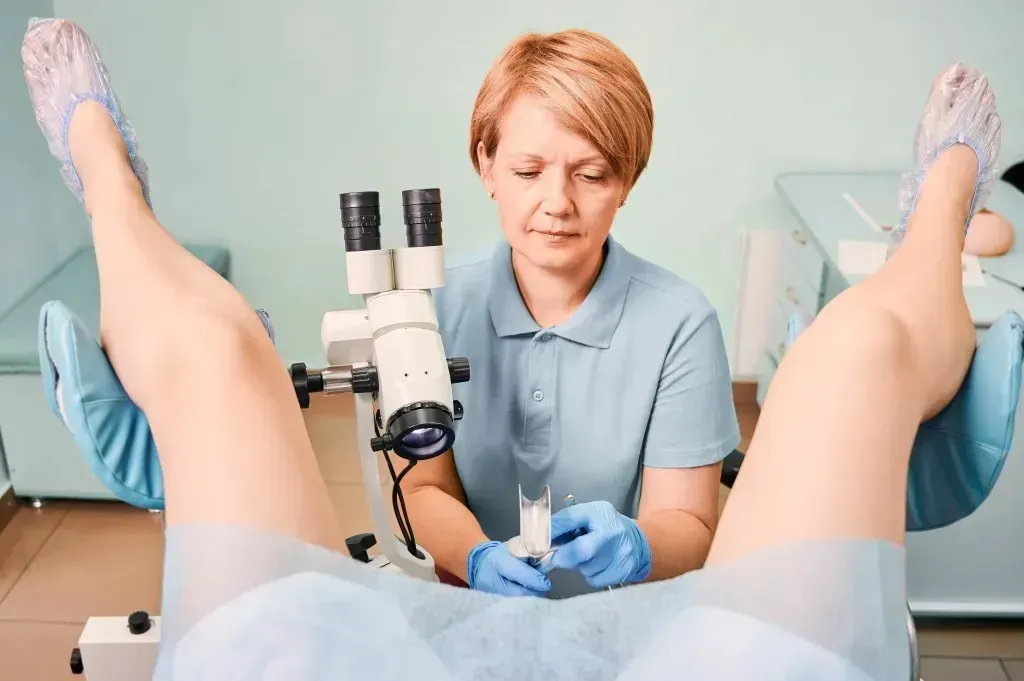
What does a gynecologist do? A gynecologist is a doctor who specializes in the health of people with vulvas, vaginas, uteruses, and ovaries.
A gynecologist is a doctor who specializes in the health of people with vulvas, vaginas, uteruses, and ovaries. But what they actually do goes far beyond Pap smears and annual checkups. From puberty to pregnancy to menopause, gynecologists support you through every stage of your reproductive life — helping you understand your body, prevent issues, and treat concerns early.
If you’ve ever wondered “What exactly happens at the gynecologist?” or “Do I need to see one?” — this guide breaks everything down simply and clearly.
1. Routine Checkups & Preventive Care
Gynecologists provide essential screenings to keep your reproductive health on track, including:
-
Pap smears (cervical cancer screening)
-
Pelvic exams
-
Breast exams
-
STI testing
-
HPV vaccinations
-
General reproductive wellness evaluations
Preventive visits help catch issues early — long before symptoms appear.
2. Treat Reproductive Health Conditions
Gynecologists diagnose and treat a wide range of conditions, such as:
-
Irregular periods
-
PCOS
-
Endometriosis
-
Fibroids
-
PMS & PMDD
-
Pelvic pain
-
Yeast infections
-
Bacterial vaginosis
-
UTIs
-
Vaginal dryness
-
Hormonal imbalances
If anything feels “off,” they’re the specialist to see.
3. Contraception & Fertility
Your gynecologist helps you choose the right birth control based on your cycle, symptoms, and lifestyle. They offer:
-
Birth control pills
-
IUD insertion & removal
-
Hormonal patches & rings
-
Implants
-
Fertility counseling
-
Pre-pregnancy health checks
They also guide you through family-planning questions like ovulation, egg freezing, or trying to conceive.
4. Pregnancy & Postpartum Care
Many gynecologists are also obstetricians, meaning they:
-
Confirm pregnancy
-
Monitor fetal development
-
Perform ultrasounds
-
Manage pregnancy complications
-
Deliver babies
-
Support postpartum recovery
5. Menopause & Hormone Management
Gynecologists help you navigate:
-
Hot flashes
-
Mood changes
-
Vaginal dryness
-
Sleep issues
-
Hormone therapy options
They support your transition into this new stage with tailored care.
How the Belle Health App Can Help
While your gynecologist handles medical care, the Belle Health App helps you understand your body between appointments.
You can:
-
Track symptoms through your whole cycle
-
Monitor discharge, itching, pain, or period changes
-
Get insights to share with your doctor
-
Understand patterns that might signal hormonal or gynecological issues
Tracking helps you arrive at your appointment with clear data — making it easier for your gynecologist to diagnose and treat you accurately.
Download the Belle App
FAQs: What Does a Gynecologist Do?
Do I need to see a gynecologist every year?
Most experts recommend a yearly well-woman visit for preventive care. Even if you feel healthy, annual screenings help catch issues early.
What age should I start seeing a gynecologist?
Typically around age 13–15, or sooner if you have period problems, pain, or other reproductive health concerns.
What should I expect during my first gynecologist visit?
Your doctor may ask questions about your period, symptoms, and health history. A pelvic exam may or may not be needed depending on your age and concerns.
Can a gynecologist help with hormonal issues?
Yes — they diagnose and treat hormonal imbalances that affect your cycle, mood, sleep, fertility, and more.
Should I track my cycle before visiting a gynecologist?
Yes! Tracking your symptoms with the Belle Health App gives your doctor valuable insights and makes your appointment more productive.