The Stages of Endometriosis: A Guide
Learn about the 4 stages of endometriosis, symptoms, treatments, and how it affects fertility. Discover diagnostic methods and where it grows
Endometriosis is a complex and often debilitating condition that affects an estimated 1 in 10 individuals of reproductive age worldwide. It occurs when tissue similar to the lining of the uterus, known as the endometrium, grows outside the uterus. This misplaced tissue can implant on various pelvic and abdominal organs, leading to inflammation, scarring, and a wide range of symptoms. Despite its prevalence, endometriosis is often misunderstood, misdiagnosed, or overlooked. This guide aims to provide a detailed and informative overview of the stages of endometriosis, its symptoms, diagnostic methods, treatment options, and the impact it can have on daily life and fertility.
What Are the Stages of Endometriosis?
Endometriosis is classified into four stages (I-IV) by the American Society for Reproductive Medicine (ASRM). These stages are based on the location, depth, and extent of endometrial-like tissue growth, as well as the presence of adhesions (scar tissue) and endometriomas (cysts on the ovaries). The stages help healthcare providers assess the severity of the condition and guide treatment decisions. However, it’s important to note that the stage of endometriosis does not always correlate with the severity of symptoms. For example, someone with Stage I endometriosis may experience severe pain, while someone with Stage IV may have mild or no symptoms.
The Four Stages of Endometriosis Explained
Stage I: Minimal Endometriosis
- Description: In this stage, there are a few small, superficial implants of endometrial-like tissue. These implants are typically found on the surface of pelvic organs or the lining of the pelvic cavity (peritoneum). There is little to no scar tissue or adhesions.
- Symptoms: Many individuals with Stage I endometriosis may experience mild symptoms or even be asymptomatic. However, some may still experience pelvic pain, especially during menstruation, as well as discomfort during intercourse or bowel movements.
- Impact on Fertility: While Stage I endometriosis is less likely to cause significant fertility issues, it can still contribute to inflammation or mild scarring that may affect reproductive health.
- Treatment: Treatment often focuses on managing symptoms. Over-the-counter pain relievers (e.g., ibuprofen), hormonal therapies (such as birth control pills or progestin-only medications), and lifestyle changes (e.g., diet and exercise) may be recommended. In some cases, laparoscopic surgery may be considered to remove the implants and confirm the diagnosis.
- Read more about it: Understanding Stage 1 Endometriosis
Stage II: Mild Endometriosis
- Description: In Stage II, the endometrial-like implants are more numerous and may be slightly deeper within the pelvic tissue. There may also be some mild adhesions, but they are not extensive. The implants are still primarily confined to the pelvic region.
- Symptoms: Symptoms at this stage may become more noticeable, with increased pelvic pain, menstrual cramps, and discomfort during intercourse. Some individuals may also experience irregular menstrual cycles or spotting between periods.
- Impact on Fertility: Mild endometriosis can begin to affect fertility, particularly if the implants or adhesions interfere with the function of the fallopian tubes or ovaries.
- Treatment: Similar to Stage I, treatment for Stage II endometriosis may include pain management and hormonal therapies. Laparoscopic surgery may be more commonly recommended to remove the implants and any adhesions, particularly if symptoms are affecting the individual’s quality of life.
- Read more about it: Stage 2 Endometriosis
Stage III: Moderate Endometriosis
- Description: Stage III endometriosis is characterized by deeper implants and more widespread adhesions. The endometrial-like tissue may begin to affect the ovaries, leading to the formation of endometriomas, also known as “chocolate cysts.” These cysts are filled with old blood and can cause significant pain and discomfort.
- Symptoms: Individuals with Stage III endometriosis often experience more severe symptoms, including chronic pelvic pain, heavy menstrual bleeding, and pain during intercourse. The condition may also start to impact fertility, as the adhesions and cysts can interfere with the function of the reproductive organs.
- Impact on Fertility: Moderate endometriosis is more likely to cause fertility issues due to the presence of endometriomas and adhesions, which can block the fallopian tubes or distort pelvic anatomy.
- Treatment: Treatment for Stage III endometriosis typically involves a combination of medical and surgical approaches. Hormonal therapies may be used to suppress the growth of endometrial tissue, while laparoscopic surgery is often necessary to remove endometriomas and adhesions. In some cases, fertility treatments such as in vitro fertilization (IVF) may be recommended for those trying to conceive.
Stage IV: Severe Endometriosis
- Description: Stage IV is the most advanced form of endometriosis. At this stage, there are numerous deep implants, extensive adhesions, and large endometriomas. The endometrial-like tissue may also spread to other organs outside the pelvic region, such as the bladder, intestines, or even the lungs.
- Symptoms: Symptoms of Stage IV endometriosis can be debilitating, with severe pelvic pain, chronic fatigue, and significant impact on daily life. Fertility issues are common, and individuals may experience pain during bowel movements or urination if the condition has spread to the bowel or bladder.
- Impact on Fertility: Severe endometriosis often causes significant fertility challenges due to the extensive scarring, adhesions, and distortion of pelvic anatomy. However, many individuals with Stage IV endometriosis can still conceive with the help of fertility treatments.
- Treatment: Treatment for Stage IV endometriosis often requires a multidisciplinary approach. Surgery is usually necessary to remove as much of the endometrial tissue as possible, and in some cases, a hysterectomy (removal of the uterus) may be considered. Hormonal therapies and pain management strategies are also important components of treatment. For those experiencing fertility issues, assisted reproductive technologies (ART) such as IVF may be recommended.
- Read more about it: Endometriosis Stage 4
Signs of Endometriosis
The signs of endometriosis can vary widely depending on the stage and location of the tissue growth. Common symptoms include:
- Pelvic pain: Often worse during menstruation.
- Pain during intercourse: Known as dyspareunia.
- Heavy or irregular periods: Including prolonged bleeding or spotting between periods.
- Pain during bowel movements or urination: Especially if endometriosis affects the bowel or bladder.
- Fatigue: Chronic pain and inflammation can lead to persistent tiredness.
- Infertility: Endometriosis is a leading cause of infertility, affecting up to 30-50% of individuals with the condition.
How to Test for Endometriosis
Diagnosing endometriosis can be challenging, as symptoms often overlap with other conditions like irritable bowel syndrome (IBS) or pelvic inflammatory disease (PID). The following methods are commonly used to test for endometriosis:
- Pelvic Exam: A healthcare provider may feel for abnormalities, such as cysts or scar tissue, during a physical exam.
- Imaging Tests: Ultrasound or MRI can help detect endometriomas or deep implants.
- Laparoscopy: This minimally invasive surgical procedure is the gold standard for diagnosing endometriosis. It allows the surgeon to visually confirm the presence of endometrial-like tissue and determine the stage of the condition.
You might find this interesting: Celebrities with Endometriosis: Halsey, Anitta..
Where Can Endometriosis Grow?
Endometriosis can grow in various locations, primarily within the pelvic region but sometimes beyond. Common sites include:
- Ovaries: Leading to the formation of endometriomas.
- Fallopian tubes: Potentially causing blockages or scarring.
- Outer surface of the uterus: Known as adenomyosis if it grows into the uterine muscle.
- Pelvic lining (peritoneum): The membrane that lines the abdominal cavity.
- Bowel or bladder: Causing pain during bowel movements or urination.
- Rare locations: Such as the lungs, diaphragm, or even surgical scars.
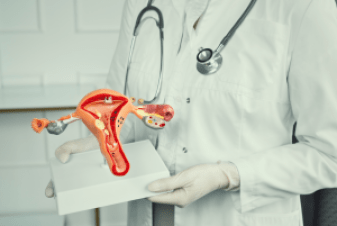
Endometriosis Treatments
Treatment for endometriosis depends on the stage, severity of symptoms, and the individual’s goals (e.g., pain relief, fertility preservation). Common endometriosis treatments include:
- Pain Management: Over-the-counter pain relievers (e.g., ibuprofen) or prescription medications.
- Hormonal Therapies: Birth control pills, GnRH agonists, or progestin therapy to suppress tissue growth.
- Surgery: Laparoscopic surgery to remove implants, adhesions, or endometriomas. In severe cases, a hysterectomy may be considered.
- Fertility Treatments: For those struggling with infertility, options like IVF may be recommended.
The Importance of Tracking Symptoms in Endometriosis
Tracking symptoms is a crucial step in managing endometriosis effectively. Because the condition presents differently in each individual, keeping a detailed record of symptoms—such as pelvic pain, menstrual irregularities, pain during intercourse, or bowel and bladder issues—can help healthcare providers identify patterns, make an accurate diagnosis, and tailor treatment plans.
A symptom diary can also highlight triggers, such as specific times in the menstrual cycle or activities that worsen pain, enabling better lifestyle adjustments.
For those trying to conceive, tracking symptoms can provide valuable insights into how endometriosis may be affecting fertility. Overall, consistent symptom tracking empowers individuals to take an active role in their care, improves communication with doctors, and ensures a more personalized approach to managing this complex condition.
The Belle App can help track symptoms, monitor treatments, and connect you with supportive communities.
Conclusion: Stages of Endometriosis
Endometriosis is a complex and multifaceted condition that requires a personalized approach to diagnosis and treatment. Understanding the stages of endometriosis can help individuals and healthcare providers better manage the condition and improve quality of life. If you suspect you may have endometriosis or are experiencing symptoms, it’s important to seek medical advice. Early diagnosis and treatment can help manage symptoms, preserve fertility, and improve quality of life. Remember, you are not alone, and there are resources and support available to help you navigate this condition.
FAQs About Stages of Endometriosis
How Many Stages of Endometriosis Are There?
Endometriosis is classified into four stages by the American Society for Reproductive Medicine (ASRM). These stages are:
- Stage I (Minimal): Small, superficial implants with no significant adhesions.
- Stage II (Mild): More numerous implants, possibly deeper, with mild adhesions.
- Stage III (Moderate): Deep implants, endometriomas (chocolate cysts), and more widespread adhesions.
- Stage IV (Severe): Extensive deep implants, large endometriomas, and severe adhesions, potentially affecting organs outside the pelvic region.
The stage of endometriosis is determined by the extent of tissue growth, the presence of adhesions, and the involvement of pelvic organs. However, the stage does not always correlate with the severity of symptoms. For example, someone with Stage I endometriosis may experience severe pain, while someone with Stage IV may have mild or no symptoms.
What Are the Signs of Endometriosis?
The signs of endometriosis can vary depending on the stage and location of the tissue growth. Common symptoms include:
- Pelvic pain: Often worse during menstruation (dysmenorrhea).
- Pain during intercourse: Known as dyspareunia.
- Heavy or irregular periods: Including prolonged bleeding or spotting between periods.
- Pain during bowel movements or urination: Especially if endometriosis affects the bowel or bladder.
- Fatigue: Chronic pain and inflammation can lead to persistent tiredness.
- Infertility: Endometriosis is a leading cause of infertility, affecting up to 30-50% of individuals with the condition.
It’s important to note that symptoms can vary widely, and some individuals may experience no symptoms at all, making diagnosis challenging.
What Are the Treatment Options for Endometriosis?
Treatment for endometriosis depends on the stage, severity of symptoms, and the individual’s goals (e.g., pain relief, fertility preservation). Common endometriosis treatments include:
- Pain Management: Over-the-counter pain relievers (e.g., ibuprofen) or prescription medications.
- Hormonal Therapies: Birth control pills, GnRH agonists, or progestin therapy to suppress tissue growth.
- Surgery: Laparoscopic surgery to remove implants, adhesions, or endometriomas. In severe cases, a hysterectomy may be considered.
- Fertility Treatments: For those struggling with infertility, options like in vitro fertilization (IVF) may be recommended.
Treatment plans are highly individualized, and it’s important to work closely with a healthcare provider to determine the best approach for your specific situation.