Swollen Feet After Birth: When To Worry?
Worried about swollen feet after pregnancy? If it feels like sudden severe swelling, pain, or comes with headaches, seek help.
When should you worry about swollen feet after birth? While mild postpartum swelling is normal, there are times when it could signal a more serious issue. Here’s what you need to know about swollen feet after birth, when it’s typical, and when it might require medical attention.
Read more about: The Truth About Flatulence Post Pregnancy
Why Do Feet Swell After Birth?
Swelling in the feet, ankles, and legs after giving birth is a common and normal part of the postpartum experience. During pregnancy, your body retains extra fluids to support both you and your baby. After delivery, it takes time for your body to flush out this excess fluid. Factors like hormonal changes, IV fluids received during labor, and reduced mobility in the days following birth can all contribute to lingering puffiness, especially in the lower extremities.
Normal Postpartum Swelling
Postpartum swelling typically peaks around 3 to 5 days after birth and gradually improves within 1 to 2 weeks. It’s often more noticeable in the feet and ankles and can become more pronounced by the end of the day due to gravity and prolonged standing or sitting. While uncomfortable, this swelling is usually temporary and resolves as your body returns to its pre-pregnancy fluid balance.
When Should You Worry About Swollen Feet After Birth?
While some swelling is expected in the postpartum period, certain symptoms can signal more serious health concerns. It’s important to monitor your body and know when to seek medical attention.
- **Sudden, severe swelling in one leg:
**This may be a sign of a blood clot, or deep vein thrombosis (DVT). It often occurs in one leg and may be accompanied by pain, heaviness, or tightness. Prompt medical evaluation is necessary to rule out this potentially dangerous condition. - **Swelling with pain, redness, or warmth:
**If your swollen area is also painful, red, or feels warm to the touch, it could indicate an infection or DVT. These symptoms should not be ignored and warrant immediate medical care. - **Swelling along with puffiness in the hands or face and headaches:
**This combination can suggest postpartum preeclampsia, a serious condition involving high blood pressure that can develop even after delivery. Seek urgent medical attention if you experience these symptoms. - **Shortness of breath or chest pain:
**These are signs of a possible pulmonary embolism, a medical emergency where a blood clot travels to the lungs. Call emergency services immediately if you have trouble breathing or feel chest pain. - **Swelling that worsens after a week:
**If the swelling doesn’t begin to improve or gets worse more than a week after birth, it could indicate issues with the heart or kidneys. It’s important to consult your healthcare provider for further evaluation.
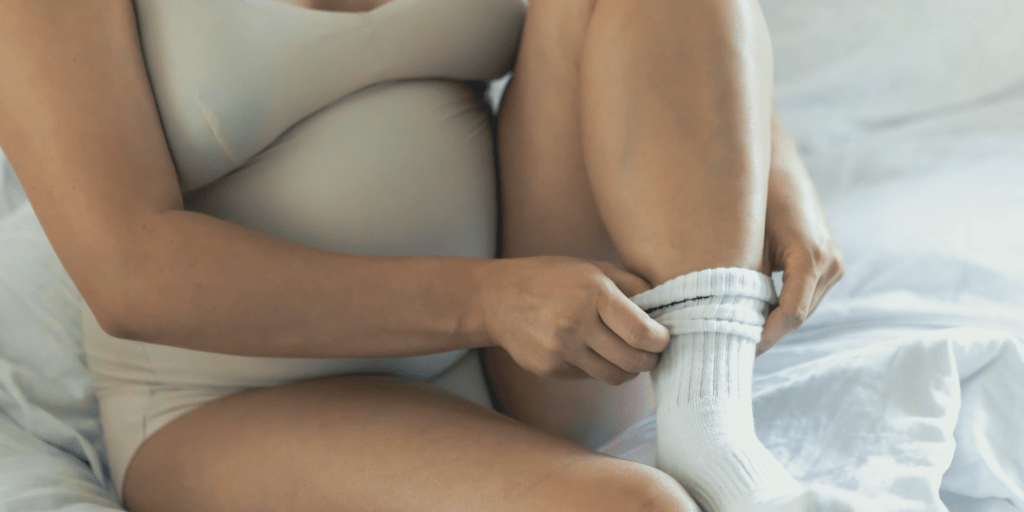
How to Reduce Swollen Feet After Pregnancy
If your swelling is within the normal range but still uncomfortable, there are several simple remedies that can help ease the discomfort and support your body’s recovery.
-
Stay hydrated: Drinking plenty of water may seem counterintuitive, but it actually helps your body flush out excess fluids more efficiently.
-
Elevate your feet: Raising your legs above heart level a few times a day can reduce fluid buildup in the lower extremities and relieve pressure.
-
Move gently: Light movement, such as short walks, can boost circulation and prevent fluids from pooling in your feet and ankles.
-
Reduce salt intake: Limiting salty foods helps minimize fluid retention, which can otherwise contribute to swelling.
-
Use cold compresses: Applying a cold pack to swollen areas can provide quick relief by reducing inflammation and soothing soreness.
These strategies can make a noticeable difference in your comfort as your body naturally eliminates the extra fluids retained during pregnancy.
How Tracking Can Help?
Tracking postpartum swelling helps you spot patterns and identify triggers, like salty foods or inactivity. You can use a journal or a app.
The Belle App is a free option: By logging physical and emotional symptoms daily (or even creating your own custom entries), you can catch dangerous changes early, such as one-sided swelling or sudden pain. The Belle App also generates a report you can share with your doctor, helping ensure faster and more accurate treatment if complications arise.
Final Thoughts
Mild swollen feet after birth usually resolve on their own. However, if swelling is sudden, severe, or accompanied by concerning symptoms, contact your doctor immediately. Trust your instincts—you know your body best!
FAQs About Swollen Feet After Birth: When to Worry
How long should my feet stay swollen after giving birth?
Most women see swelling peak 3-5 days postpartum and improve within 1-2 weeks. If swelling persists beyond 2 weeks or suddenly worsens, consult your doctor.
When is postpartum swelling dangerous?
Seek immediate care if you experience:
• Sudden, severe swelling (especially in one leg)
• Swelling with pain, redness, or warmth
• Puffiness in hands/face with headaches
• Shortness of breath or chest pain
Can breastfeeding help reduce swelling?
Yes! Breastfeeding triggers hormones that help your body eliminate excess fluids faster. Staying hydrated while nursing also supports recovery.
What’s the difference between normal swelling and preeclampsia signs?
Normal swelling is mostly in feet/ankles. Preeclampsia warning signs include:
• Swelling in hands/face
• Severe headaches
• Vision changes
• Upper abdominal pain
• Sudden weight gain
These symptoms require emergency care, even if your blood pressure was normal during pregnancy.