Reusable Tampons: Everything You Need to Know
Learn how to use reusable tampons correctly, avoid infections like TSS, what are the safest materials, and cleaning tips!
Reusable tampons are an eco-friendly alternative to disposable tampons, designed to reduce waste and provide a more sustainable menstrual product option. Unlike traditional tampons, which are used once and thrown away, reusable tampons can be washed and reused multiple times.
Are reusable tampons safe?
Yes, reusable tampons can be safe when used correctly. Unlike disposable tampons, which are meant for single use, these are designed to be washed and reused multiple times. They are typically made from materials such as medical-grade silicone, organic cotton, or specially treated antimicrobial fabrics, which help reduce the risk of bacterial contamination.
However, safety largely depends on proper usage and hygiene. Reusable tampons must be thoroughly cleaned and sterilized between uses to prevent bacterial growth and reduce the risk of infections, including Toxic Shock Syndrome (TSS), a rare but serious condition linked to prolonged tampon use. It’s essential to follow the manufacturer’s cleaning instructions, which often include boiling the tampon for sterilization or using a specialized cleansing solution.
Additionally, just like with disposable tampons, it’s crucial to follow recommended wear times. Most experts advise changing a tampon every 4 to 6 hours and avoiding overnight use to minimize risks. If irritation, unusual odor, or discomfort occurs, it’s best to discontinue use and consult a healthcare professional.
While they can be a sustainable and cost-effective alternative to disposables, they require a strict hygiene routine and may not be suitable for everyone. If you’re considering making the switch, research different brands, read user reviews, and ensure you’re comfortable with the cleaning process before committing.
How to make reusable tampons?
While DIY reusable tampons are possible, they come with hygiene and safety concerns. Commercially produced reusable tampons are made from carefully tested materials, such as medical-grade silicone or certified organic cotton, to ensure safety and minimize the risk of infections. If you choose to make your own, it’s crucial to use safe, non-toxic, and breathable materials while following strict hygiene practices.
Materials Needed:
-
Organic cotton fabric or yarn – Ensure it’s GOTS-certified (Global Organic Textile Standard) and free from pesticides, dyes, or chemicals.
-
Medical-grade thread – Avoid synthetic fibers that may shed or cause irritation.
-
Sterilization tools – Boiling water or medical disinfectants to ensure cleanliness before each use.
Methods:
-
Crocheted or Knitted Tampons:
Crocheted or knitted tampons are a reusable and eco-friendly alternative to conventional tampons, crafted using 100% organic cotton yarn for safety and comfort. To make them, you’ll need to crochet or knit a soft, absorbent cylindrical shape that conforms to the body while maintaining structure. The design should be smooth and flexible to allow for easy insertion and gentle removal, minimizing discomfort. A strong, securely attached cotton string must be incorporated to ensure safe and reliable removal without risk of detachment. These handmade tampons can be washed and reused, offering a sustainable option for menstrual care. Always ensure proper hygiene by thoroughly cleaning and drying them between uses to maintain safety and prevent irritation.
-
Sewn Fabric Tampons:
Sewn fabric tampons provide another reusable and natural menstrual care option, made by cutting multiple layers of soft, absorbent organic cotton fabric into a rectangular shape. The fabric is then rolled tightly into a firm yet flexible cylindrical form, resembling a traditional tampon, and secured with medical-grade thread to ensure durability and safety during use. A strong cotton removal string is carefully stitched into the base of the tampon, allowing for easy and reliable extraction without the risk of breakage. These fabric tampons can be washed, sterilized, and reused, making them an economical and environmentally friendly alternative to disposable products. Proper care, including thorough washing and drying between uses, is essential to maintain hygiene and prevent bacterial growth. Like crocheted or knitted tampons, they offer a customizable and sustainable solution for those seeking chemical-free menstrual products.
Hygiene & Safety Considerations:
Maintaining strict hygiene is absolutely critical when using homemade or reusable tampons to prevent infections and ensure safety. Before first use and after each menstrual cycle, sterilize your tampon by boiling it in clean water for 5–10 minutes to kill bacteria and pathogens. Just like commercial tampons, reusable ones should be changed every 4–6 hours to minimize the risk of bacterial buildup and toxic shock syndrome (TSS). After washing, allow your tampon to air-dry completely before storing it in a clean, breathable container—any residual moisture can lead to mold or mildew growth. Pay close attention to your body’s signals; if you experience irritation, unusual discharge, or discomfort, discontinue use immediately and consult a healthcare provider.
While DIY tampons can be an eco-conscious choice, they may not offer the same level of safety as commercially produced options, which undergo rigorous testing for absorbency and sterility. Homemade versions can harbor bacteria if not meticulously cleaned, and their absorbency may be inconsistent, increasing the risk of leaks or TSS. If you decide to make your own, thoroughly research safe materials (such as 100% organic cotton) and follow strict hygiene protocols to reduce health risks. For those prioritizing both sustainability and safety, FDA-approved menstrual cups or organic disposable tampons may be a more reliable alternative. Always prioritize your health by making informed, cautious choices about menstrual products.
Are crocheted reusable tampons safe?
Crocheted tampons can pose risks if not properly sanitized. The porous nature of yarn can harbor bacteria, increasing infection risks. If using fabric tampons, opt for tightly woven, boil-safe materials and wash them thoroughly.
Are Some Types Safer Than Others?
When it comes to reusable tampons, not all materials are equally safe—sterilization, porosity, and maintenance play a major role in reducing health risks. Silicone-based reusable tampons (such as those with reusable applicators) are generally considered the safest option because silicone is non-porous, hypoallergenic, and easy to sterilize by boiling or using a menstrual cup cleaner. Fabric tampons (whether crocheted, knitted, or sewn from organic cotton) can be a sustainable choice, but they require rigorous cleaning—boiling after each cycle, thorough drying, and frequent replacement—since fibers can trap bacteria if not properly sanitized. The riskiest option is menstrual sponges (natural sea sponges), as their porous structure makes them extremely difficult to fully sanitize, increasing the likelihood of bacterial or fungal growth even after washing.
For those prioritizing both safety and sustainability, FDA-approved menstrual cups or medical-grade silicone products are often the best alternatives, as they combine reusability with easier sterilization. If you prefer absorbent materials like fabric, opt for high-quality organic cotton and follow strict hygiene protocols. Ultimately, the safest choice depends on your ability to maintain cleanliness—so weigh the risks carefully before committing to any reusable menstrual product.
How to Put in a Menstrual Cup: A Complete Guide for Beginners and Can You Pee with a Menstrual Cup In?
Expert & User Recommendations
While reusable tampons, whether crocheted, knitted, or sewn from organic cotton fabric, offer an eco-friendly alternative to conventional options, it’s important to note that the FDA has not approved them as medical devices—unlike menstrual cups, which undergo regulatory scrutiny. For those considering reusable tampons, experts recommend purchasing only from reputable brands that provide clear information about material sourcing and safety testing. Many gynecologists advise that menstrual cups may be a more hygienic and practical choice, as they are easier to sterilize and less prone to bacterial retention.
User experiences also suggest that organic cotton or medical-grade silicone options tend to cause fewer irritation issues compared to natural sea sponges or poorly constructed homemade alternatives. Regardless of the product chosen, proper cleaning, thorough drying, and adherence to hygiene guidelines are essential to minimize infection risks.
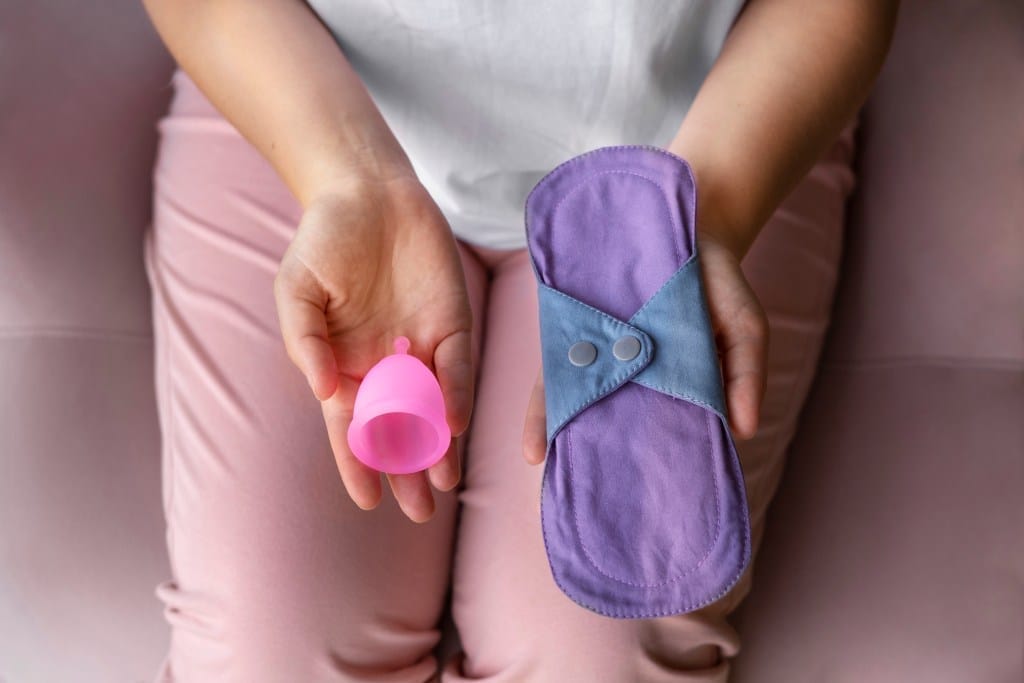
For extra safety: Consider pairing them with a menstrual cup or period underwear for backup protection.
Final Thoughts
Reusable tampons can be a sustainable and eco-friendly menstrual care option, but maintaining strict hygiene is absolutely essential to prevent infections and ensure safety. If you’re considering reusable tampons—whether crocheted, knitted, or sewn—opt for high-quality, non-porous materials like 100% organic cotton and follow meticulous cleaning and sterilization routines. Always adhere to the same usage guidelines as disposable tampons, including changing them every 4-8 hours and ensuring proper insertion to reduce the risk of toxic shock syndrome (TSS).
However, since the FDA has not approved reusable tampons as medical devices, many experts recommend safer, regulated alternatives like menstrual cups (which are easier to sterilize) or organic disposable tampons if reusables don’t suit your needs. Ultimately, the best choice depends on your body, lifestyle, and commitment to hygiene—so prioritize safety, research thoroughly, and follow best practices for a healthy, sustainable period care routine.
FAQs
How do you clean reusable tampons properly?
Reusable tampons must be sterilized after each use to prevent bacterial growth. Here’s how:
- Silicone/fabric tampons: Wash with mild soap, then boil for 5–10 minutes or soak in a sterilizing solution (e.g., hydrogen peroxide).
- Sea sponges: Soak in vinegar or hydrogen peroxide, then rinse thoroughly.
- Storage: Keep in a breathable cotton bag (avoid plastic bags to prevent mold).
Can reusable tampons cause Toxic Shock Syndrome (TSS)?
Yes, if misused. Like disposable tampons, reusable options can harbor bacteria if:
- Left in for >6–8 hours.
- Not cleaned properly.
- Made from porous materials (e.g., crocheted yarn or low-quality sponges).
Tip: Opt for medical-grade silicone or antimicrobial fabrics to reduce risks.
How long do reusable tampons last?
Depends on material and care:
- Silicone: 2–5 years (if sterilized regularly).
- Fabric: 6 months–2 years (replace if frayed or discolored).
- Sea sponges: 3–6 months (higher maintenance).
Signs to replace: Odors, stiffness, or loss of absorbency.
Are reusable tampons better than menstrual cups?
Menstrual cups are generally safer because:
- They’re FDA-approved (most reusable tampons aren’t).
- Non-porous silicone is easier to sterilize.
- Lower TSS risk due to design (collects rather than absorbs blood).
But reusable tampons work well for those who prefer traditional tampon feel.