






Premenstrual Dysphoric Disorder (PMDD) can feel like an emotional rollercoaster for many individuals, and one of the more challenging symptoms that often goes unnoticed is impulsivity.
For those dealing with PMDD, impulsivity can mean struggling with sudden, powerful urges and acting without thinking—behaviors that can feel out of character and difficult to control.
Understanding how impulsivity fits into the constellation of PMDD symptoms is key to finding ways to cope and improve well-being.


Your body gives signals—this ring helps you decode them
What is PMDD and How Does Impulsivity Play a Role?
PMDD is a severe form of premenstrual syndrome (PMS), affecting around 3-8% of individuals who menstruate. It involves a range of symptoms, including mood swings, depression, irritability, and physical symptoms like fatigue and bloating. One of the less commonly discussed but impactful symptoms of PMDD is impulsivity.
Impulsivity during PMDD often stems from heightened emotional sensitivity and the difficulty in managing intense feelings that arise in the luteal phase—the time between ovulation and menstruation.
Impulsivity within PMDD can manifest as sudden, unplanned actions that might include overspending, binge eating, making rash decisions, or even engaging in risky behaviors.
It can create real challenges, affecting relationships, finances, and personal well-being. Individuals often report feeling like they are watching themselves from the outside, unable to stop the impulsive behavior even when they are aware of the consequences.
Why Does PMDD Cause Impulsivity?
Hormonal changes are the root cause of PMDD, particularly the fluctuations in estrogen and progesterone levels during the menstrual cycle. These hormonal shifts are thought to impact neurotransmitters in the brain, especially serotonin and dopamine, which play a crucial role in mood regulation and impulse control.
For those with PMDD, these hormonal changes can reduce the ability to process emotions calmly, leading to heightened emotional reactivity. When emotions are running high, the ability to think through consequences takes a back seat, and impulsive behaviors can take over. This is why individuals with PMDD may find themselves acting on sudden urges they wouldn’t normally entertain outside the luteal phase.
The Impact of Impulsivity on Daily Life
Impulsivity can have a significant impact on daily life. It might lead to conflicts in relationships due to unfiltered comments or irrational arguments, cause regret after making large or unnecessary purchases, or even result in overeating or other forms of self-sabotage. The feeling of being “out of control” can lead to further distress, deepening the emotional burden that PMDD already brings.
This symptom can be particularly difficult because it can often be misunderstood by others. Partners, friends, or family might interpret impulsive actions as deliberate choices rather than a symptom of a larger issue, which can lead to feelings of guilt, shame, and isolation for the person experiencing PMDD.
Coping Strategies for Managing Impulsivity in PMDD
Coping with impulsivity during PMDD involves both understanding your triggers and implementing strategies to help reduce the intensity of your reactions. Here are some practical approaches that can help:
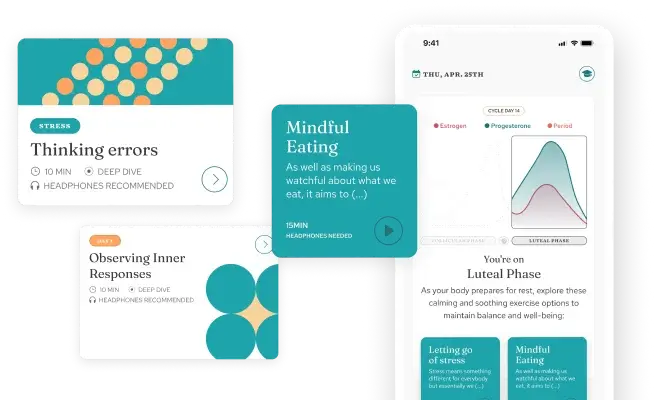
Track Your Cycle and Identify Patterns: Awareness is the first step. Using a cycle-tracking app like Belle can help you understand when you are likely to experience heightened impulsivity. Knowing when the luteal phase begins can help you prepare mentally and emotionally for these challenges.
Practice Mindfulness: Mindfulness techniques, like deep breathing exercises or guided meditation, can help you create a moment of pause between feeling an impulse and acting on it. This pause can sometimes be enough to reconsider your actions.
Set Boundaries with Yourself: Creating boundaries around specific behaviors can be helpful. For example, if overspending is an issue, consider removing saved credit card information from online stores or limiting access to shopping apps during the luteal phase.
Seek Support: Talking to a therapist who understands PMDD can be instrumental. Cognitive Behavioral Therapy (CBT) has been shown to be effective for many individuals with PMDD, helping them develop better strategies to manage impulsivity and other symptoms.
Communicate with Loved Ones: Letting those close to you know that impulsivity is a symptom of PMDD can help them understand your behavior better and provide the support you need during difficult times. It can also help reduce misunderstandings and strengthen your support network.
Personal Experiences with Impulsivity
Many individuals with PMDD experience impulsivity in unique and sometimes surprising ways. Here are some personal reflections on how impulsivity plays a role:
“Yes, I am extremely impulsive and it can be a good thing but not always.” Impulsivity can occasionally have a positive side, like spontaneity, but it often leads to unintended consequences.
“Absolutely—when I’m behind on bills and I want to order something I don’t need, I don’t even hesitate.” The urge to spend can feel overwhelming, particularly during the luteal phase, leading to financial strain.
“I never thought of myself as impulsive, but apparently, I am. I especially notice it after a few days in the luteal phase or when things aren’t going well. It’s like my brain decides the best way to feel better is to buy a bunch of things. Thankfully, it hasn’t caused major financial issues!” Recognizing impulsivity as a symptom can help in managing its effects, especially when triggered by heightened emotions.
“This is a major symptom for me and manifests in different ways—buying things, sending a risky text, or acting on an impulsive decision can be super tricky.” Impulsivity isn’t limited to financial decisions; it can also impact relationships and emotional well-being.
Conclusion
Impulsivity is a challenging but often overlooked aspect of PMDD. By recognizing it as part of the broader picture of PMDD symptoms, you can take steps towards managing it in a healthier way. Understanding your triggers, building coping mechanisms, and seeking support can all contribute to a more balanced approach to navigating the ups and downs of PMDD.
If you are struggling with impulsivity related to PMDD, know that you are not alone. There are resources, communities, and treatments that can help you gain more control over these difficult moments, allowing you to live more comfortably with PMDD.