PMDD Memes: Explaining PMDD Through Art
Explore PMDD memes that debunk myths and spread awareness about PMDD. Learn what PMDD is and the impact it has on millions of lives.
What is PMDD?
Premenstrual Dysphoric Disorder (PMDD) is a severe and often debilitating extension of PMS. Affecting approximately 5-8% of women and assigned female at birth (AFAB) individuals of reproductive age, PMDD causes intense emotional and physical symptoms that can drastically disrupt daily life. In this post, we aim to spread awareness and foster understanding of PMDD through relatable and impactful PMDD memes.
PMDD Myths Through Memes
Despite the growing awareness, many myths persist around PMDD. Let’s debunk some of the most common misconceptions.
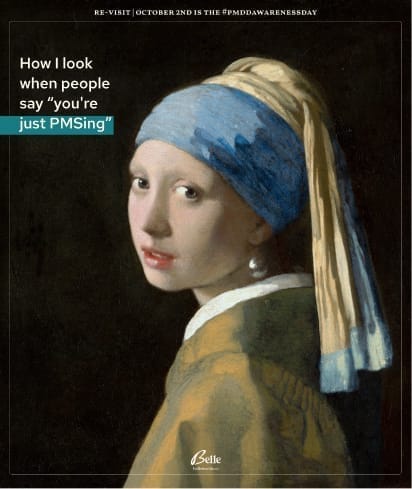 | PMDD IS NOT JUST PMS.It’s important to distinguish between PMS and PMDD. PMDD affects approximately 5-8% of women and AFAB individuals of reproductive age, which translates to millions of people worldwide. It’s a serious public health concern that demands attention, specific research, and proper care. Unlike PMS, PMDD can severely impact daily functioning and quality of life for those affected. |
 | NOT SOMETHING YOU’RE MAKING UP.PMDD is real and complex. It’s not about exaggerating symptoms—research shows that hormonal changes directly affect brain activity, which influences mood, cognition, and overall well-being. This is why individuals with PMDD often find it difficult to manage without the right support. |
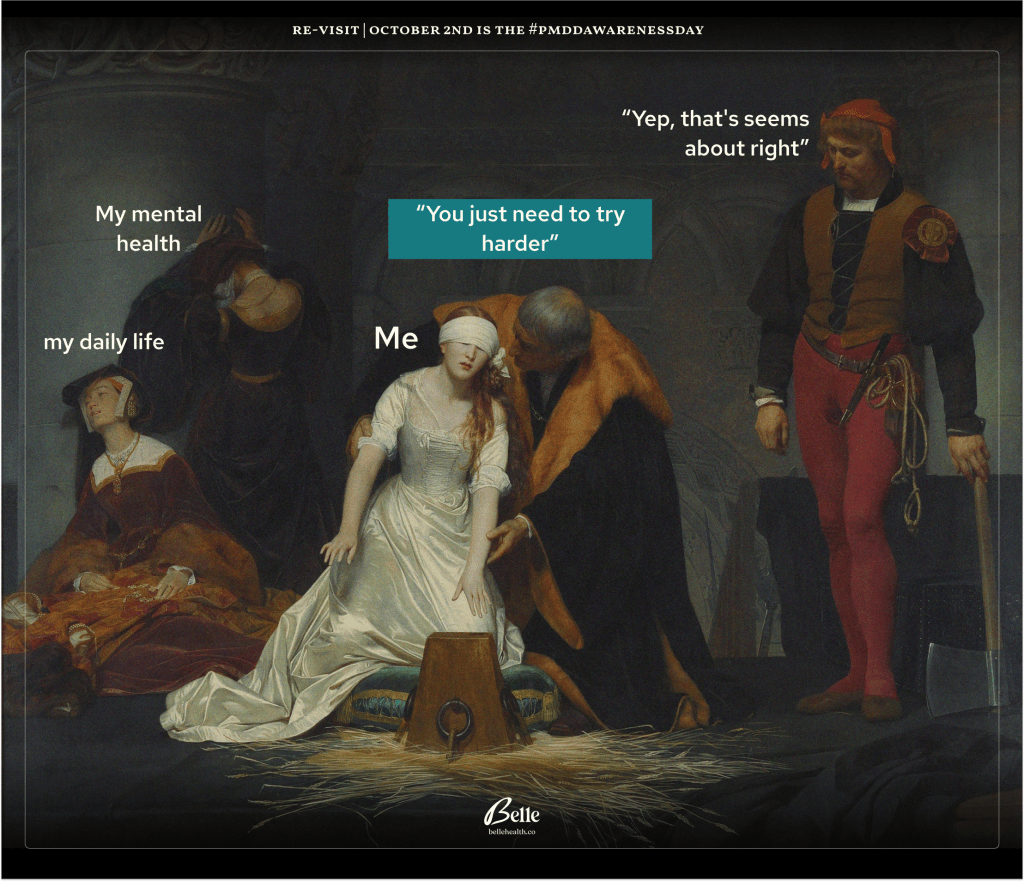 | NOT LACK OF EFFORTThose affected by PMDD aren’t being lazy or lacking effort. Studies indicate that 50% of individuals with PMDD report significant strain in their personal and professional lives. Managing PMDD typically requires medical treatments, therapy, and lifestyle modifications. |
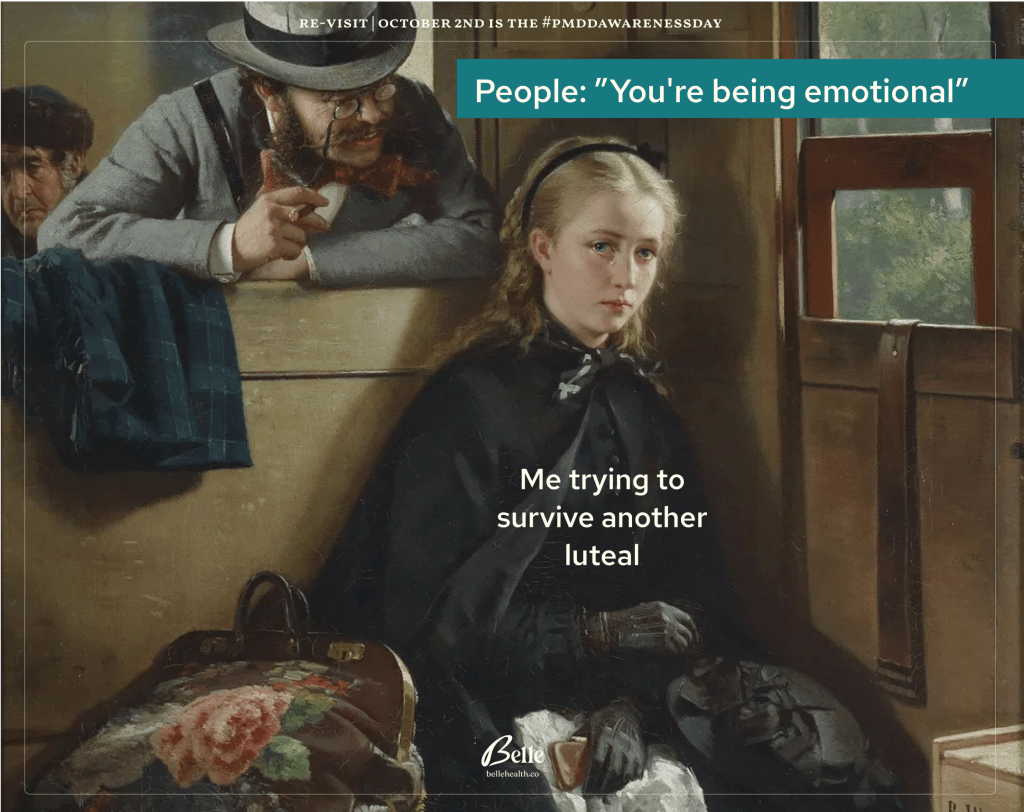 | NOT AN EMOTIONAL REACTIONPMDD isn’t just a matter of “emotional overreaction.” A 2020 study found that 87% of participants had experienced suicidal thoughts, and 32% had engaged in suicidal behaviors. This is a serious condition that demands attention and empathy. |
PMDD OVERVIEW
Hormonal shifts play a critical role in the manifestation of PMDD symptoms. During the luteal phase of the menstrual cycle, rising progesterone levels generally produce calming effects. However, those with PMDD may experience adverse reactions due to heightened hormone sensitivity, often leading to mood disruptions.
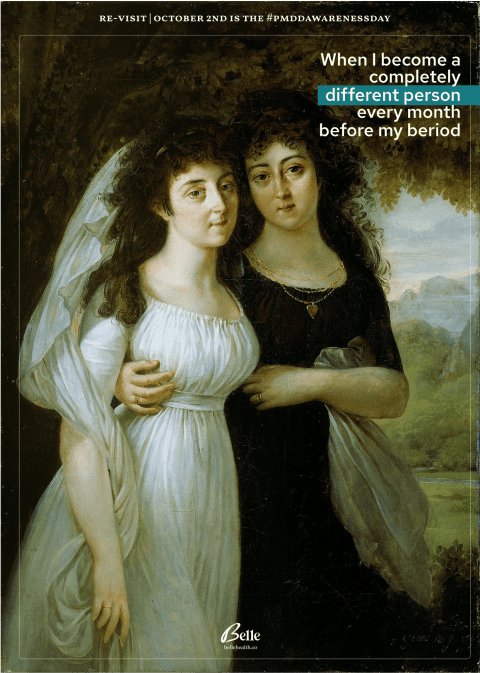
| CYCLE CHANGESHormonal fluctuations can impact our thoughts, emotions, energy levels, and behaviors. These changes result from the complex interplay of hormones like estrogen and progesterone throughout the menstrual cycle. By understanding these hormonal dynamics, you can better align with your body’s needs at each stage of the cycle, helping you manage symptoms more effectively. |
|
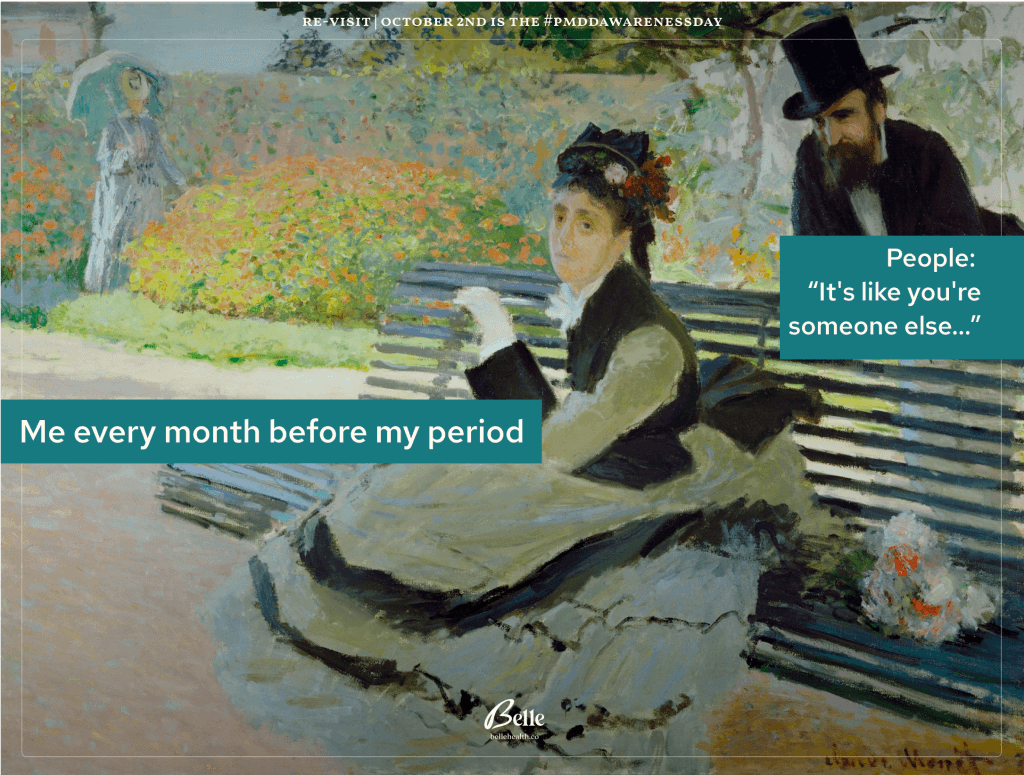
| LIVING WITH PMDD SYMPTOMSPeople living with PMDD often face a lack of understanding or misinterpretation of their symptoms, which can lead to feelings of unnecessary shame or guilt. Raising awareness and validating these experiences are crucial to fostering empathy and support. |
|
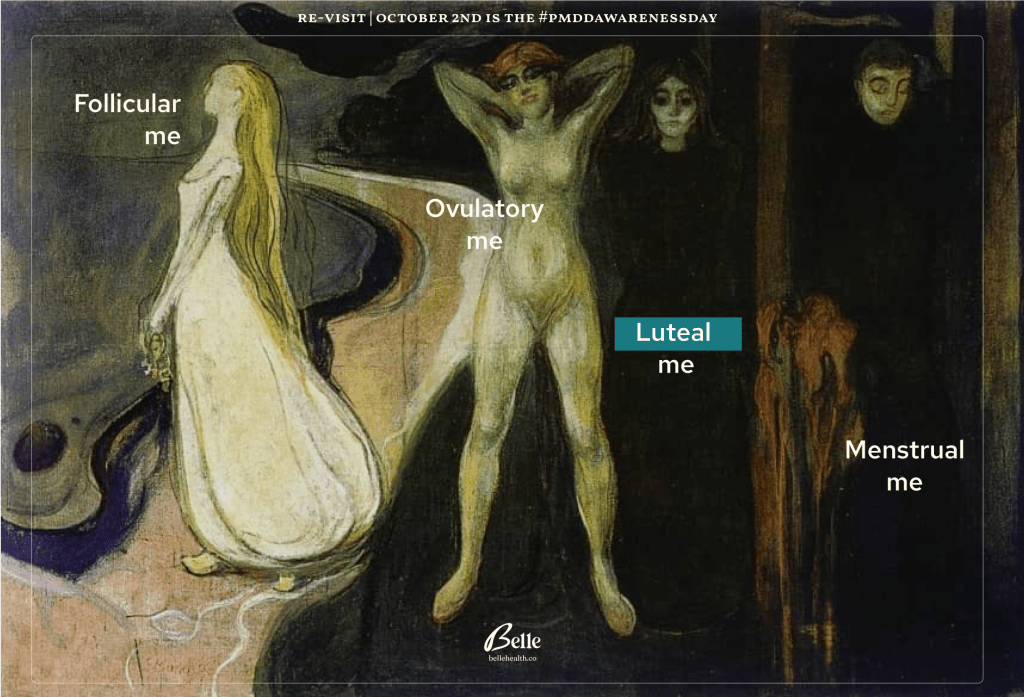
| WHY LUTEAL, WHY?During the luteal phase, rising progesterone levels are typically associated with calming effects. However, for those with PMDD, heightened sensitivity to hormonal changes can result in adverse brain responses. This sensitivity often triggers symptoms that can be exacerbated by additional factors such as stress or past trauma. |
IS IT PMDD?
Recognizing the signs of PMDD is a vital step in seeking appropriate help and support. If you experience recurring emotional or physical symptoms during the luteal phase, consider consulting a healthcare professional.
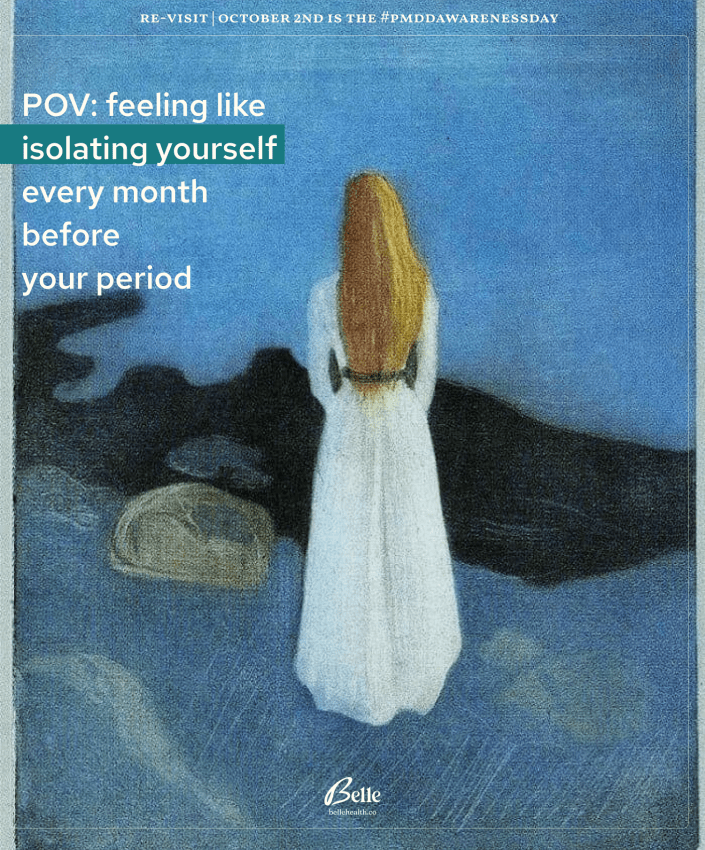
| YOU MIGHT HAVE PMDDYou’re not alone. Connect with others who understand what you’re going through and share experiences in supportive communities. |
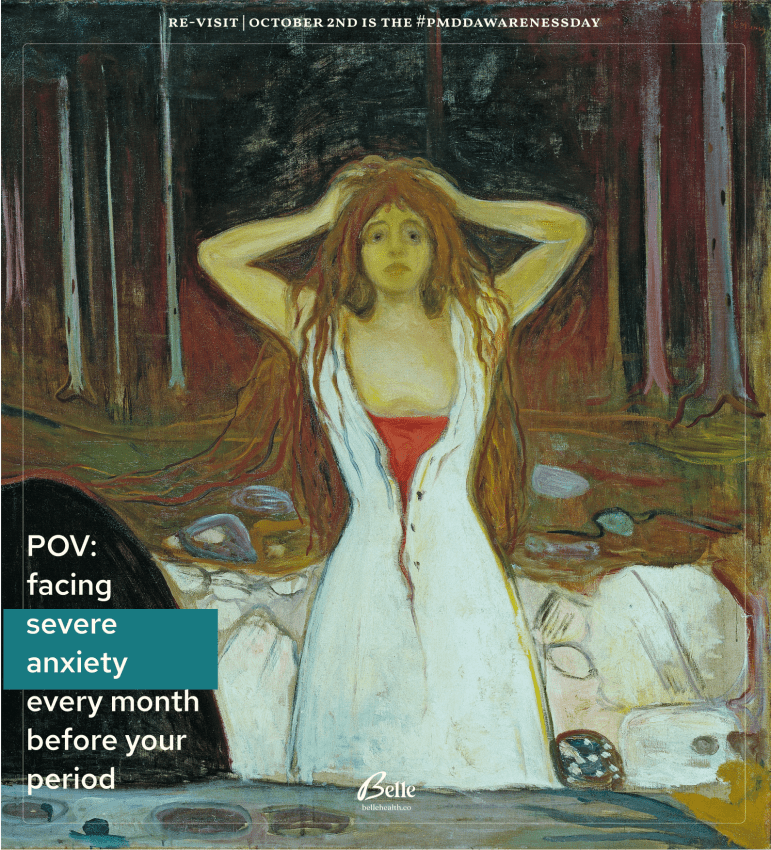
| YOU MIGHT HAVE PMDDYour emotions and symptoms are real and valid. If you’re struggling, don’t hesitate to seek help from a healthcare provider or mental health professional. |
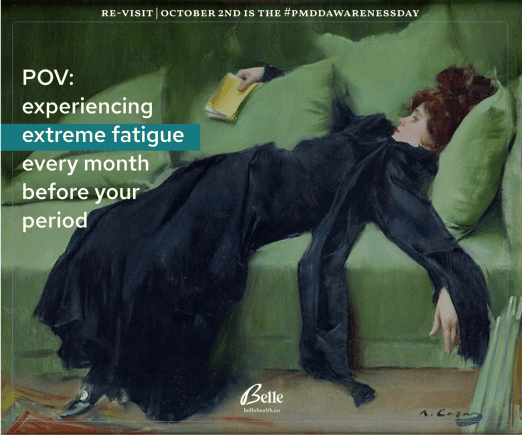 | YOU MIGHT HAVE PMDDPMDD is a genuine and serious medical condition, not a sign of personal weakness or failure. It’s essential to be compassionate with yourself as you navigate this journey. |
Do You Have a Favorite PMDD Meme?
Memes can be a great way to cope and connect. If you have a PMDD-related meme that resonates with you, share it with us on Instagram (@bellehealth.app) or here: