Period Symptoms But No Period: What Could It Mean?
Experiencing period symptoms but no period? Learn the common reasons, when to seek help, and how to track your cycle and symptoms.
Period symptoms but no period? What does it means when your body feels like your period is coming… But It Doesn’t.
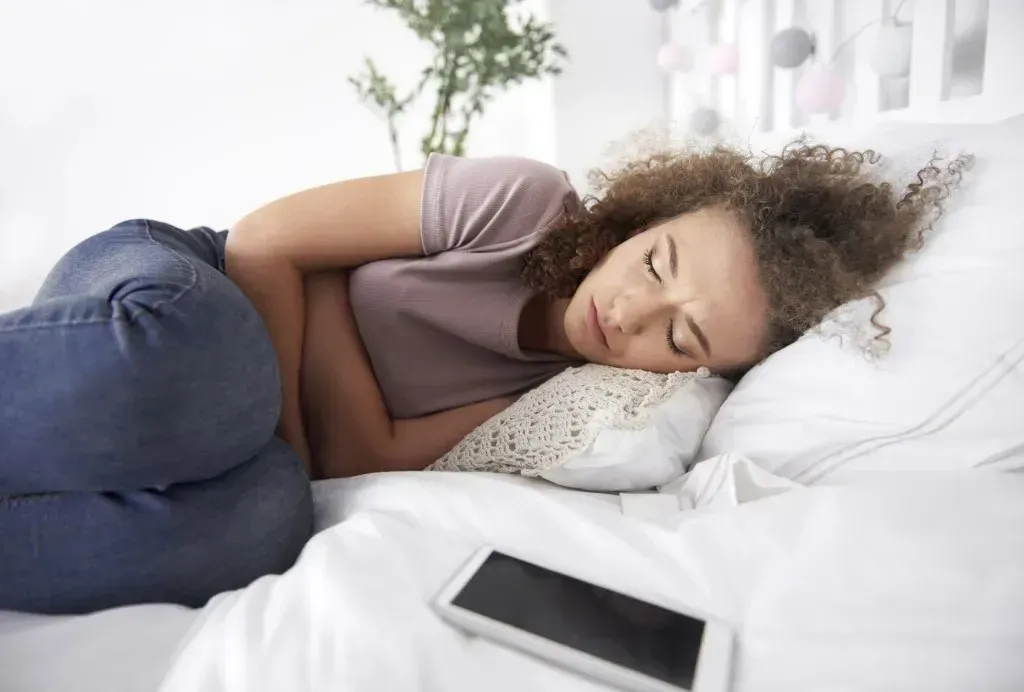
Bloating, mood swings, cramps, and breast tenderness—these are the telltale signs many people recognize as their period approaching. But what happens when you feel all of this, yet no bleeding occurs?
This situation can feel confusing and even worrying. You might wonder if something’s wrong with your cycle or if your body is trying to signal something deeper. The truth is, having period symptoms without a period is more common than you think, and it can happen for several different reasons.
Quick answer: period symptoms but no period
If you have period symptoms but no period—cramps, bloating, sore breasts or mood changes without any bleeding—it is usually explained by normal hormone shifts, stress, delayed ovulation, early pregnancy or perimenopause. Take a pregnancy test if your period is late and there is any chance you could be pregnant, and speak to a clinician if it keeps happening every cycle, the pain is severe, or your cycle has changed suddenly. Tracking your symptoms over a few cycles makes the underlying pattern much easier to understand.
You might find this interesting: Am I Pregnant? Try This Quiz for Early Signs
Common Causes of Period Symptoms Without Bleeding
Hormonal fluctuations
The menstrual cycle is controlled by hormones like estrogen and progesterone. Sometimes, your body goes through the hormonal shifts that cause PMS symptoms, but for various reasons, menstruation doesn’t follow. This could be a temporary imbalance, a delayed ovulation, or your body skipping a cycle altogether.
Stress and lifestyle changes
Stress has a powerful effect on the menstrual cycle. High levels of cortisol can interfere with ovulation, delay menstruation, or cause your body to mimic PMS symptoms without actual bleeding. Major changes in diet, exercise, or weight can also temporarily disrupt your cycle.
Pregnancy
Early pregnancy can feel surprisingly similar to PMS. Cramping, bloating, fatigue, and breast tenderness are all common early pregnancy symptoms. If your period is late and you’re experiencing these signs, it’s worth taking a pregnancy test to rule this out.
Perimenopause
For those approaching menopause, hormonal shifts can become irregular. This often leads to PMS-like symptoms such as hot flashes, mood swings, or cramps—even when no period arrives.
Underlying health conditions
In some cases, period symptoms but no bleeding could be linked to conditions like thyroid disorders, polycystic ovary syndrome (PCOS), or uterine fibroids. These conditions can disrupt normal cycles and sometimes cause pain or hormonal symptoms without menstruation.
Period Symptoms But No Blood: Spotting and Light Discharge
Sometimes, you may feel like your period is starting, but instead of full bleeding, you notice spotting or very light discharge. This can happen for several reasons:
-
Low estrogen levels affecting the uterine lining.
-
Mid-cycle ovulation spotting, which is harmless but often mistaken for a light period.
-
Temporary hormonal imbalance.
While spotting isn’t always a cause for concern, repeated cycles of menstrual symptoms without bleeding can be worth discussing with a doctor.
When to Seek Medical Advice
It’s normal for cycles to vary from time to time, especially during times of stress or transition. But there are certain situations where it’s important to check in with a healthcare professional. You should consider medical guidance if:
-
You frequently get PMS symptoms without a period.
-
Your cycle has become highly irregular or unpredictable.
-
You experience severe cramps or pain with no bleeding.
-
You suspect pregnancy but aren’t sure.
-
You’ve noticed sudden changes in your menstrual pattern.
A doctor can evaluate hormone levels, check for pregnancy, and rule out medical conditions that may be affecting your cycle.
Why Tracking Symptoms Matters
When you’re dealing with period symptoms but no bleeding, it can be hard to know whether what you’re experiencing is normal or something to investigate further. That’s where cycle and symptom tracking becomes essential.
By recording cramps, mood changes, bloating, or headaches, you start to see patterns that might not be obvious otherwise. Maybe your body tends to delay your cycle during times of stress. Maybe PMS symptoms appear during an anovulatory cycle (a cycle without ovulation). Or maybe certain triggers—like sleep changes or dietary shifts—intensify symptoms without leading to bleeding.
What to Track If You Have Period Symptoms but No Period
Because so many causes overlap, a few cycles of notes are usually more useful than a single snapshot. It helps to log:
- Symptom type and intensity (cramps, bloating, breast tenderness, mood, headaches)
- The day in your cycle each symptom appears
- Any spotting or light discharge versus a full bleed
- Sleep, stress, and big changes in exercise, travel, or diet
- Pregnancy-test dates and results when relevant
Patterns—like symptoms that arrive without bleeding during stressful weeks, or PMS-style signs in a cycle without ovulation—become much clearer once they are written down, and they give your clinician something concrete to work from. If disrupted sleep is part of your picture, our guide to insomnia before your period may help, and you can see how Belle protects your information on the smart ring data privacy page.
How the Belle App Can Help
The Belle App is designed to make this process easier. It allows you to log your physical and emotional symptoms daily, so you can see how they connect to your cycle. Over time, this helps you understand whether your PMS-like symptoms are linked to delayed cycles, skipped periods, or other factors.
One of Belle’s most helpful features is the SOS Box. When symptoms strike—whether it’s cramps, mood swings, or anxiety—you can instantly access practical support. The SOS Box offers CBT-based exercises, calming meditations, and reflective writing prompts to help you manage discomfort in real time.
Instead of just tracking symptoms, Belle empowers you to actively cope with them and spot patterns that bring clarity to confusing situations—like feeling all the signs of a period but never bleeding.
Normal vs. Concerning Reasons at a Glance
| Possible Reason | Is It Normal? | When to See a Doctor |
|---|---|---|
| Stress, travel, or lifestyle changes | Often temporary | If cycles remain disrupted for several months |
| Early pregnancy | Normal | Take a test to confirm |
| Perimenopause | Expected with age | If symptoms are severe or cycles are unpredictable |
| Hormonal fluctuations | Common | If cycles are consistently irregular |
| Thyroid issues, PCOS, or fibroids | Needs medical care | If symptoms are recurring or severe |
FAQs About Period Symptoms Without a Period
Why do I have period symptoms but no period?
Hormonal changes, stress, early pregnancy, or conditions like PCOS may be the cause.
Can you get PMS without a period?
Yes. The hormonal shifts that create PMS symptoms can happen even if menstruation doesn’t follow.
What does it mean to have period symptoms but no blood?
This may be spotting, delayed ovulation, or hormonal imbalance.
Should I be worried?
Not always. But if it happens regularly or with severe pain, it’s best to seek medical advice.
How can I make sense of these symptoms?
Using the Belle App helps track symptoms across cycles, spot patterns, and get real-time support to manage discomfort.
Track Your Body Signals With Belle
Related Belle Reading
- Belle Ring: the women’s health smart ring
- Belle Ring for PMDD and severe PMS
- Belle Ring for PCOS management
- Why you can’t sleep before your period
This article is for general education and is not medical advice. Belle and the Belle Ring help you notice trends in symptoms, sleep, and other body signals over time; they do not diagnose, treat, or rule out pregnancy or any medical condition. If your period is late, your symptoms are severe, or your cycle changes suddenly, take a pregnancy test where relevant and speak with a qualified healthcare professional.