Papyraceous Scarring: A Hallmark of Classical EDS
Learn about papyraceous scarring - the distinctive cigarette-paper scars that characterize Classical Ehlers-Danlos Syndrome.
Papyraceous scarring (from Latin papyraceus meaning “paper-like”) refers to thin, crinkled, atrophic scars that resemble cigarette paper. These distinctive scars are a hallmark feature of Classical Ehlers-Danlos Syndrome (EDS), a connective tissue disorder affecting collagen production.
Key Characteristics of Papyraceous Scars
-
Appearance: Thin, translucent, wrinkled (like parchment paper)
-
Texture: Soft and fragile to touch
-
Color: Often hypopigmented or slightly shiny
-
Common Locations: Knees, elbows, forehead, shins
-
Formation: Develop after minor trauma that wouldn’t normally cause significant scarring
The Link Between Papyraceous Scarring and Classical EDS
In Classical EDS (formerly known as EDS types I and II), defective type V collagen results in abnormal wound healing, poor dermal-epidermal adhesion, and fragile skin that splits easily.
These scars frequently co-occur with:
-
Hemosideric staining (brownish discoloration from iron deposits)
-
Wide, atrophic scars (often on shins)
-
Easy bruising
Diagnostic Significance
Papyraceous scarring—thin, crinkled scars that resemble tissue paper—is recognized in the 2017 International Classification for Ehlers-Danlos Syndrome (EDS) as a major diagnostic criterion for Classical EDS. When this type of scarring appears alongside skin hyperextensibility, joint hypermobility, and a family history of EDS, it strongly supports a diagnosis of the Classical subtype.
Differential Diagnosis
Other conditions that may cause similar scarring:
-
Dermatosparaxis EDS (more severe skin fragility)
-
Marfan syndrome (different scar distribution)
-
Cutis laxa (generalized loose skin)
Management of Papyraceous Scars
While the scars themselves are permanent, prevention and care includes:
-
Wound Care
- Wound care in individuals with Classical EDS often requires special considerations. Whenever possible, steri-strips are preferred over stitches to minimize skin trauma. Because of delayed wound healing, closure times tend to be longer than average. Additionally, silicone gel sheets can be helpful in managing new scars, promoting smoother healing and reducing the risk of papyraceous scarring.
-
Protective Measures
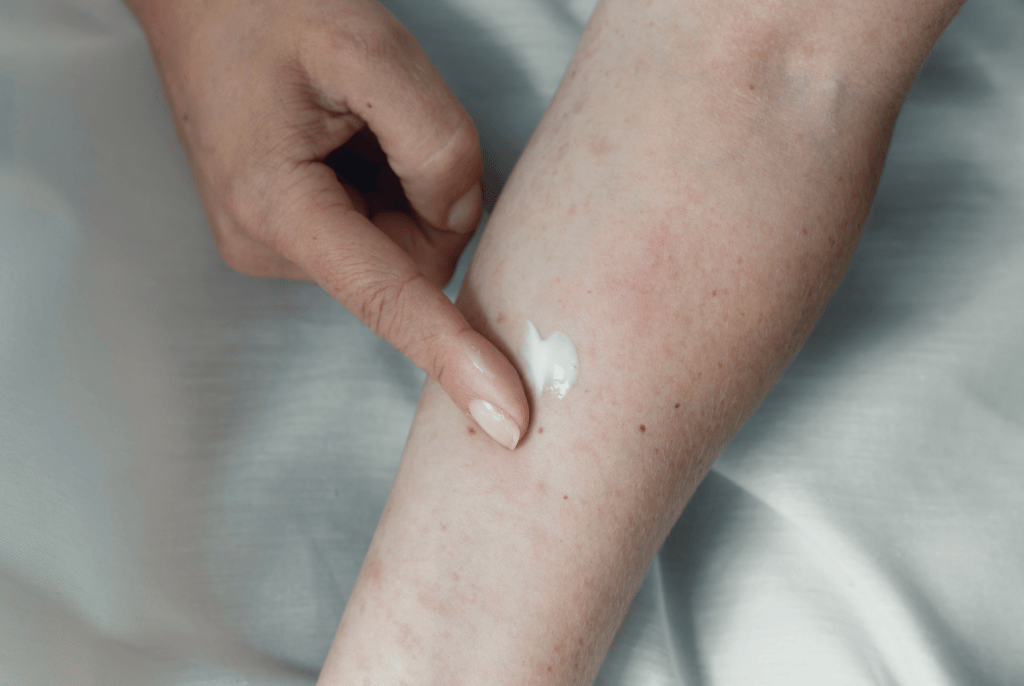
- Using padding on vulnerable areas can help prevent injury from bumps or friction. Sun protection is also important, as scars and fragile skin are more prone to burning. Regular moisturizing helps maintain skin hydration and can reduce the risk of cracking or splitting.
-
Professional Treatments
- Laser therapy may help reduce pigmentation in scars, while microneedling can improve skin texture over time—though it should be approached cautiously due to skin fragility. For individuals concerned about visible scarring, high-quality camouflage makeup offers a non-invasive option to even out skin tone and boost confidence.
Living with Papyraceous Scarring
Patients with Classical EDS often report feeling self-conscious about the appearance of their scars, which can affect their confidence. They also frequently find themselves needing to explain their condition to medical providers due to the rarity and complexity of EDS. Additionally, there is a constant need for extra precautions during daily activities to prevent injury or skin damage. Many patients also emphasize the importance of carrying medical alert information to ensure proper care in emergency situations.
Conclusion Papyraceous Scarring
Papyraceous scarring serves as both a clinical marker for Classical EDS and a daily reminder of the condition’s impact. While the scars themselves can’t be reversed, proper wound management and protective strategies can minimize their formation. Increased awareness among healthcare providers is crucial for early diagnosis and appropriate care of this connective tissue disorder.
FAQs About Papyraceous Scarring
Are papyraceous scars painful?
Typically not painful, but may be more sensitive to temperature and irritation.
Can papyraceous scars appear without EDS?
Rarely – their presence should prompt evaluation for connective tissue disorders.
Do the scars worsen with age?
They typically remain stable but may become more noticeable with sun exposure.
Is there any way to completely remove these scars?
No complete removal, but appearance can be improved with treatments.