What Is a Histamine Dump at Night? Key Symptoms Explained
Waking with itching, racing heart, or anxiety at night? Learn the symptoms of a histamine dump at night and how to block nighttime histamine release
Waking up at 3 a.m. with itching, anxiety, or a racing heart? You may be experiencing a histamine dump at night — a sudden surge of histamine that can jolt you awake, disrupt your sleep, and leave you feeling drained the next day.
In this article, we’ll break down the symptoms of nighttime histamine dumps, why they happen, and most importantly, how to block nighttime histamine release. We’ll also explore the surprising connection between histamine and hormonal conditions like PMDD, and share proven strategies for finding relief.
What Is a Histamine Dump?
A histamine dump occurs when there’s a sudden and excessive release of histamine into the bloodstream. Histamine is a chemical produced by the immune system that plays a key role in allergic reactions, inflammation, and regulating bodily functions like digestion and sleep. When histamine levels spike, it can trigger a wide range of symptoms, from mild discomfort to severe reactions.
Related: Understanding Histamine Dump
At night, histamine levels naturally fluctuate due to the body’s circadian rhythms. For some individuals, this can lead to a histamine dump at night, causing symptoms that disrupt sleep and overall well-being.
Why Does a Histamine Dump Happen at Night?
Several factors contribute to nighttime histamine surges:
- Circadian Rhythms: Histamine levels follow a natural daily cycle, peaking in the early morning hours and dropping in the afternoon and evening. This nighttime rise can trigger symptoms in sensitive individuals.
- Allergens in the Sleep Environment: Dust mites, pet dander, and mold in bedding or pillows can activate mast cells, leading to histamine release.
- Dietary Triggers: Eating histamine-rich foods (e.g., aged cheeses, fermented foods, alcohol) close to bedtime can overload the body’s histamine tolerance.
- Low DAO Enzyme Activity: Diamine oxidase (DAO) is the enzyme responsible for breaking down histamine. If DAO levels are low, histamine can accumulate, especially at night.
- Stress and Cortisol Levels: Cortisol, which helps regulate histamine, drops at night. This can lead to increased histamine activity and symptoms.
- Hormonal Fluctuations: Hormones like estrogen can influence histamine levels, which may explain why some women experience worse symptoms during certain phases of their menstrual cycle.
| Trigger | How It Increases Histamine | Prevention Tips |
|---|---|---|
| Aged Cheese, Wine (Dinner) | Naturally high in histamine | Avoid after 6 p.m., opt for low-histamine meals |
| Dust Mites & Pet Dander | Activates mast cells during sleep | Use hypoallergenic covers & clean bedding |
| Hormonal Shifts | Estrogen promotes histamine release | Track cycle & support hormonal balance |
| Stress or Anxiety at Bedtime | Cortisol drops → histamine unchecked | Meditation, journaling, magnesium before bed |
Common Nighttime Histamine Triggers and How to Prevent Them
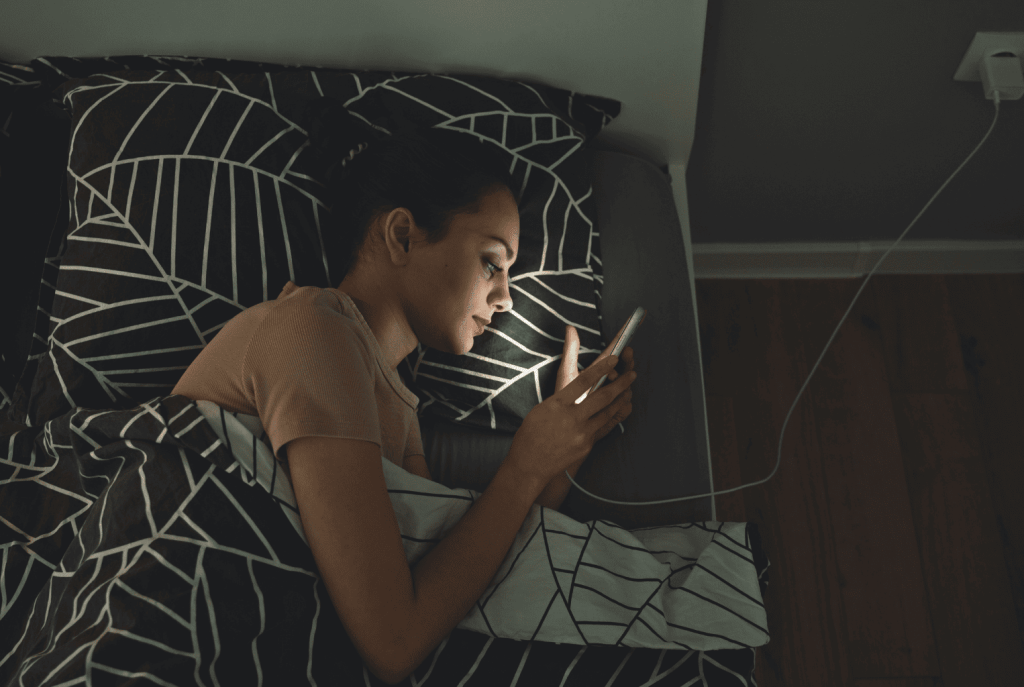
Histamine Dump at Night Symptoms
A histamine dump at night can manifest in various ways, including:
- Insomnia or Restlessness: Histamine is a neurotransmitter that promotes wakefulness, making it hard to fall or stay asleep.
- Skin Reactions: Itching, hives, rashes, or flushing may occur due to histamine’s effects on the skin.
- Nasal Congestion or Sinus Issues: Histamine can cause swelling in the nasal passages, leading to congestion or a runny nose.
- Headaches or Migraines: Histamine-induced vasodilation in the brain can trigger headaches.
- Gastrointestinal Symptoms: Nausea, bloating, or abdominal pain may arise as histamine affects gut function.
- Anxiety or Racing Heart: Histamine can stimulate the nervous system, causing palpitations or feelings of anxiety.
- Night Sweats: Histamine-induced vasodilation can lead to excessive sweating during sleep.
- Difficulty Breathing: In severe cases, histamine can cause bronchoconstriction, making it hard to breathe.
How to Block Nighttime Histamine Release
Blocking nighttime histamine surges involves both short-term relief and long-term regulation of triggers. Here’s how to approach both:
Dietary Adjustments
-
Avoid high-histamine foods in the evening: aged cheeses, wine, smoked meats, and leftovers.
-
Try a low-histamine evening meal with turkey breast, leafy greens, and white rice.
-
Drink herbal teas like chamomile or rooibos (avoid green tea which can trigger histamine).
Supplements That Help
-
DAO Enzyme: Take 10–15 minutes before dinner to help metabolize dietary histamine.
-
Quercetin: A natural mast cell stabilizer; best taken 1–2 hours before bed.
-
Vitamin C: Helps degrade histamine and supports DAO.
-
Magnesium glycinate: Calms the nervous system and supports cortisol balance.
-
Vitamin B6: Essential cofactor for DAO production.
Improve Your Sleep Environment
-
Use dust-mite-proof pillowcases and sheets.
-
Remove pets from the bedroom.
-
Use an air purifier to reduce allergens and mold spores.
Stress and Hormone Management
-
Do a 5-minute deep breathing routine or guided meditation before sleep.
-
Consider tracking your menstrual cycle if you notice symptoms are worse pre-period.
-
Support liver function with milk thistle or N-acetylcysteine (NAC) to metabolize hormones and histamine.
Medications and Natural Antihistamines
-
Non-drowsy antihistamines (e.g., Zyrtec): Can help reduce evening symptoms.
-
H2 blockers (e.g., Pepcid/famotidine): Reduce histamine in the gut when taken before bed.
-
First-gen antihistamines (e.g., Benadryl): Helpful for emergency relief, but not for nightly use due to dependency and side effects.
Is There a Connection Between Histamine and PMDD?
Related: Antihistamines for PMDD
Premenstrual Dysphoric Disorder (PMDD) is a severe form of PMS characterized by mood swings, irritability, and physical symptoms during the luteal phase of the menstrual cycle. Interestingly, histamine may play a role in PMDD symptoms.
- Estrogen and Histamine: Estrogen can stimulate histamine release, and histamine, in turn, can increase estrogen production. This feedback loop may exacerbate PMDD symptoms in some women.
- Inflammation and Mood: Histamine is a pro-inflammatory molecule, and PMDD has been linked to increased inflammation during the luteal phase. Elevated histamine levels could worsen mood disturbances and physical symptoms.
- Histamine Intolerance: Women with PMDD who also have histamine intolerance may experience more severe symptoms due to the combined effects of hormonal fluctuations and histamine overload.
While more research is needed to fully understand this connection, managing histamine levels through diet, lifestyle changes, or antihistamines may help alleviate PMDD symptoms for some individuals.
How to Manage and Prevent a Histamine Dump at Night
If you’re struggling with a histamine dump at night, here are some strategies to help manage and prevent it:
- Optimize Your Sleep Environment:
- Use hypoallergenic bedding and pillowcases.
- Wash bedding regularly in hot water to eliminate dust mites.
- Keep pets out of the bedroom to reduce allergen exposure.
- Follow a Low-Histamine Diet:
- Avoid histamine-rich foods like aged cheeses, fermented products, and alcohol, especially in the evening.
- Focus on fresh, low-histamine foods like leafy greens, fresh meats, and non-citrus fruits.
- Support DAO Enzyme Activity:
- Take DAO enzyme supplements before meals to help break down dietary histamine.
- Avoid medications that block DAO, such as NSAIDs or certain antidepressants.
- Manage Stress:
- Practice relaxation techniques like deep breathing, meditation, or yoga before bed.
- Maintain a consistent sleep schedule to regulate cortisol levels.
- Consider Antihistamines:
- First-generation antihistamines like diphenhydramine (Benadryl) can help with sleep and histamine-related symptoms but may cause drowsiness.
- Second-generation antihistamines like cetirizine (Zyrtec) are less sedating and may be suitable for long-term use.
- Address Underlying Conditions:
- Work with a healthcare provider to rule out conditions like mast cell activation syndrome (MCAS), small intestinal bacterial overgrowth (SIBO), or hormonal imbalances.
Conclusion
A histamine dump at night can be a frustrating and disruptive experience, but understanding its causes and symptoms is the first step toward managing it effectively. By optimizing your sleep environment, following a low-histamine diet, and addressing underlying triggers, you can reduce nighttime histamine surges and improve your sleep quality.
For those with PMDD, exploring the potential link between histamine and hormonal fluctuations may offer additional relief. Always consult a healthcare professional to develop a personalized plan tailored to your needs. With the right approach, you can reclaim restful nights and wake up feeling refreshed.
FAQs
What causes a histamine dump at night?
A histamine dump at night can be triggered by several factors, including:
- Circadian rhythms: Histamine levels naturally rise in the early morning hours, which can lead to symptoms at night.
- Allergens in the sleep environment: Dust mites, pet dander, or mold in bedding can activate mast cells, causing histamine release.
- Dietary triggers: Consuming histamine-rich foods (e.g., aged cheeses, fermented foods, alcohol) close to bedtime can overload the body’s histamine tolerance.
- Low DAO enzyme activity: If your body doesn’t produce enough diamine oxidase (DAO), the enzyme that breaks down histamine, levels can spike at night.
- Stress and hormonal fluctuations: Cortisol levels drop at night, and hormonal changes (e.g., estrogen fluctuations) can also contribute to histamine release.
What are the most common symptoms of a histamine dump at night?
The symptoms of a histamine dump at night can vary but often include:
- Sleep disturbances: Insomnia, restlessness, or sudden awakenings.
- Skin reactions: Itching, hives, rashes, or flushing.
- Nasal congestion or sinus issues: A runny nose or difficulty breathing through the nose.
- Headaches or migraines: Caused by histamine-induced vasodilation in the brain.
- Gastrointestinal issues: Nausea, bloating, or abdominal pain.
- Anxiety or palpitations: Histamine can stimulate the nervous system, leading to a racing heart or feelings of unease.
- Night sweats: Excessive sweating due to histamine’s effects on blood vessels.
How can I prevent or manage a histamine dump at night?
To prevent or manage a histamine dump at night, consider the following strategies:
- Optimize your sleep environment: Use hypoallergenic bedding, wash bedding regularly, and keep pets out of the bedroom.
- Follow a low-histamine diet: Avoid histamine-rich foods, especially in the evening, and focus on fresh, low-histamine options.
- Support DAO enzyme activity: Take DAO enzyme supplements before meals and avoid medications that block DAO.
- Manage stress: Practice relaxation techniques like meditation or yoga before bed to regulate cortisol levels.
- Consider antihistamines: Over-the-counter or prescription antihistamines can help reduce symptoms, but consult a healthcare provider for guidance.
- Address underlying conditions: Work with a healthcare professional to rule out conditions like histamine intolerance, mast cell activation syndrome (MCAS), or hormonal imbalances.
By identifying your triggers and implementing these strategies, you can reduce nighttime histamine surges and improve your sleep quality.