Do Herbs Increase Progesterone? Natural Ways Explained
Do herbs increase progesterone? Learn which herbs may help boost progesterone naturally and when to talk to a doctor about low progesterone.
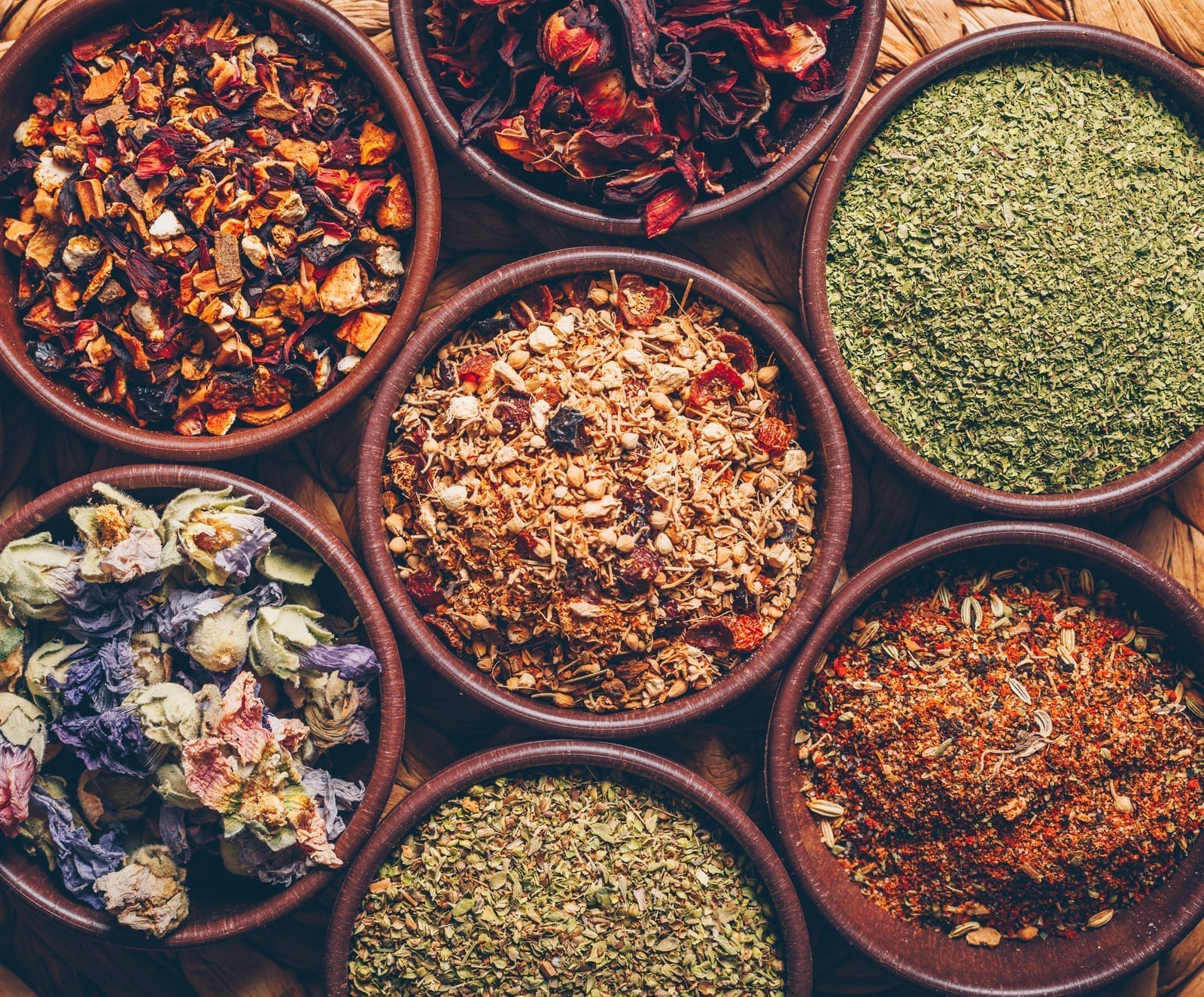
Do Herbs Increase Progesterone? Generally speaking, herbs do not contain progesterone. Instead, certain herbs may help support your body’s natural production of progesterone by influencing hormone pathways or supporting ovulation — which is where progesterone naturally comes from.
Research like this study explores how plant compounds can mimic or modulate hormonal activity in the body, but more human studies are still needed.
Why Progesterone Matters
Progesterone is a key hormone for anyone who menstruates. It’s essential for regulating your cycle, supporting early pregnancy, balancing estrogen, and keeping periods regular. Low progesterone can contribute to irregular periods, spotting, PMS, trouble conceiving, and even sleep problems or anxiety.
While synthetic progesterone or prescription treatments are sometimes needed, many people want to know: Are there herbs that can help increase progesterone naturally?
Herbs That May Help Support Progesterone
Here are some herbs traditionally used to balance hormones that may indirectly boost progesterone production:
Chasteberry (Vitex agnus-castus)
One of the most researched herbs for progesterone support. Vitex may help regulate the pituitary gland, which controls when your body ovulates. More regular ovulation means more consistent progesterone production.
Maca Root
Maca is an adaptogenic herb from Peru known for supporting overall hormone balance. While not a direct source of progesterone, it may help stabilize the menstrual cycle, which can help support normal progesterone levels.
Ashwagandha
This adaptogen helps regulate stress hormones like cortisol, which can otherwise suppress progesterone. Supporting adrenal balance may help your body maintain healthier progesterone levels.
Wild Yam
Wild yam is often marketed as “natural progesterone,” but it’s a bit misunderstood. While wild yam contains diosgenin — a plant compound that can be chemically converted into progesterone in labs — your body can’t do this conversion itself. Still, some people use wild yam cream for hormone balance, though evidence is limited.
Black Cohosh
Commonly used for menopause and cycle regulation, black cohosh may help balance estrogen dominance, which can indirectly support better progesterone levels.
Other Herbal Supports
Other herbs sometimes suggested for hormone balance include:
- Rhodiola rosea
- Holy basil (Tulsi)
- Tribulus terrestris
- Red clover (contains phytoestrogens, so use cautiously)
These herbs don’t directly produce progesterone, but may help balance overall hormone function.
Read more: Best Luteal Phase Foods for Hormonal Balance
Do These Herbs Really Increase Progesterone?
Some small studies and a lot of traditional use suggest they may help. But clinical evidence is still limited and results can vary. If you have consistently low progesterone, it’s wise to get your hormone levels tested and work with a healthcare provider. They may recommend lifestyle changes, prescription treatments, or lab-tested bioidentical progesterone if needed.
Lifestyle Tips for Supporting Progesterone Naturally
- Herbs are just one piece of the puzzle. Healthy habits that support ovulation and adrenal health can help too:
- Eat enough healthy fats (avocados, olive oil, nuts) — your body needs fat to make hormones.
- Manage stress — high cortisol can lower progesterone. Try yoga, breathwork, or adaptogenic herbs.
- Sleep 7–8 hours — sleep helps keep hormones balanced.
- Track your cycle — Belle Health app can help you understand when you’re ovulating.
When to See a Doctor
If you have signs of low progesterone — like irregular cycles, infertility, spotting before your period, or intense PMS — talk to a trusted healthcare provider. Sometimes an herbal approach is helpful, but sometimes prescription help is best.
Conclusion
Herbs can be a gentle way to support your body’s natural hormone rhythms. While no herb directly contains progesterone, some — like Vitex and maca — may help your body make more on its own by supporting healthy ovulation and hormone balance.
Always talk to your doctor before starting new herbs, especially if you’re pregnant, trying to conceive, or taking other hormone medications.
FAQs about Herbs and progesterone
Can low progesterone cause infertility?
Yes. Progesterone helps prepare the uterus for pregnancy. Low levels can lead to irregular cycles, trouble conceiving, or early miscarriage in some cases.
What are signs my progesterone is too low?
Common signs include irregular periods, spotting before your period, severe PMS, mood swings, sleep problems, and difficulty getting pregnant.
When should I see a doctor about low progesterone?
If you have irregular cycles, can’t get pregnant after trying for 6–12 months, or have severe PMS or unexplained spotting, talk to a healthcare provider.