Pimples During Ovulation: Why It Happens & How to Fix It
Why do you get pimples during ovulation? Learn how hormonal shifts cause breakouts and discover proven treatments, skincare routines, and natural remedies.
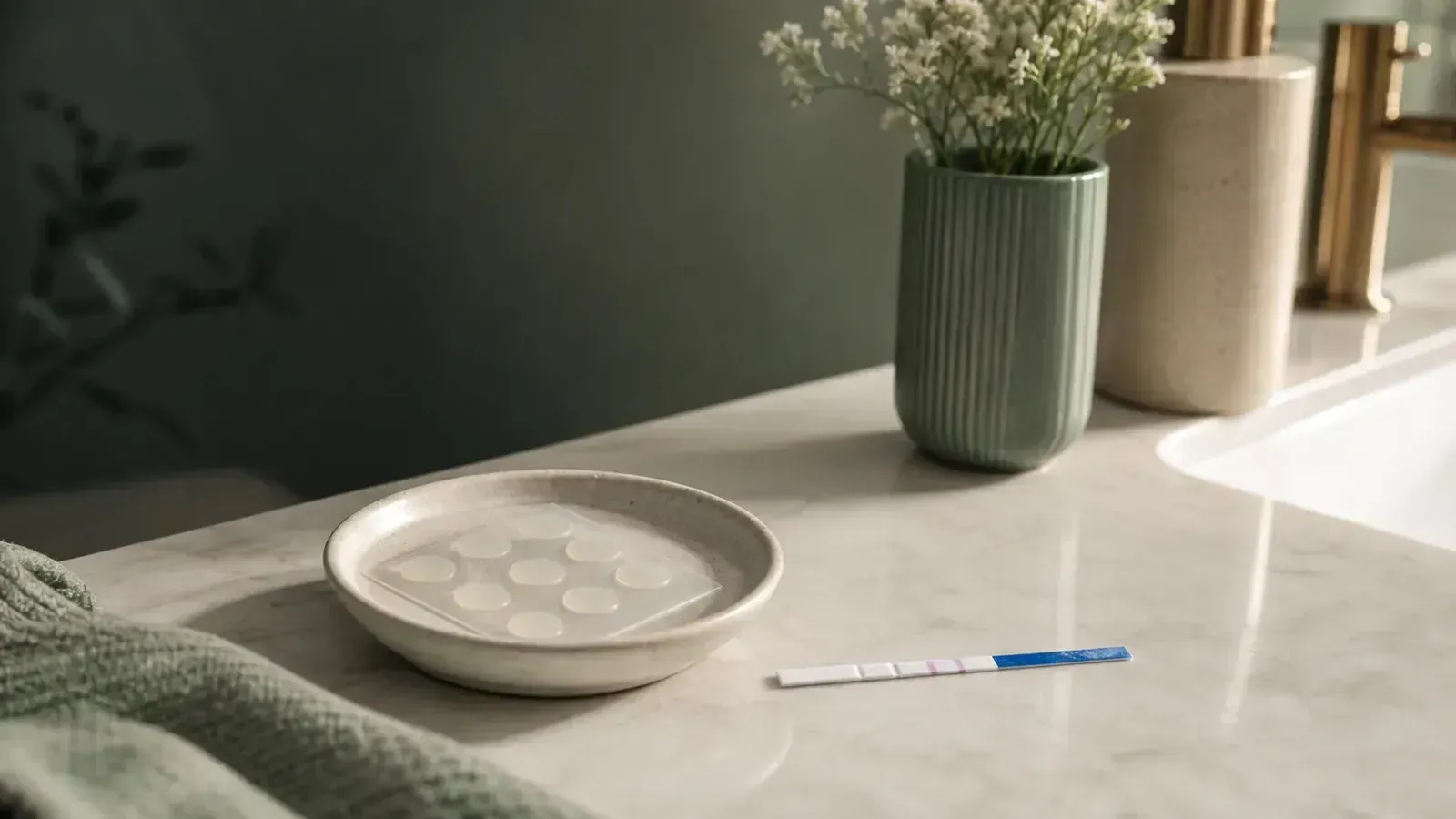
If you’ve ever noticed that your skin breaks out like clockwork during a specific time of the month, it might be ovulation to blame. Pimples during ovulation are not uncommon, and the culprit is usually hormones. Understanding why this happens can help you manage and minimize those breakouts.
Why Do Pimples Occur During Ovulation?
Pimples during ovulation are triggered by hormonal shifts, particularly increased testosterone and progesterone. These changes lead to excess oil (sebum) production, clogged pores, and inflammation, which can cause acne breakouts, especially on the jawline, chin, and neck.
Key takeaway: Hormonal fluctuations during ovulation create the perfect conditions for acne, but the right treatments and skincare adjustments can help manage and prevent breakouts.
Hormones at Play: Estrogen, Progesterone, and Androgens
The menstrual cycle is driven by hormones, primarily estrogen, progesterone, and androgens like testosterone. Ovulation, the mid-point of your cycle, is a time of significant hormonal shifts. In the first half of the cycle (follicular phase), estrogen levels gradually increase, which helps to maintain skin hydration and support collagen production [1]. Just before ovulation, there is also a surge in luteinizing hormone (LH), leading to the release of an egg [2].
During ovulation, estrogen peaks, and testosterone levels rise as well [3]. Increased testosterone, a type of androgen, stimulates the sebaceous (oil) glands to produce more sebum, an oily substance that protects the skin. Unfortunately, too much sebum can clog pores and lead to pimples [4]. After ovulation, progesterone levels also rise. High progesterone can cause the skin to swell, trapping sebum and leading to further breakouts [5].
Moreover, the increased levels of both estrogen and progesterone can influence water retention, making the skin more sensitive and prone to inflammation during this time. This combination of excess oil production and heightened inflammation is a major trigger for ovulation acne.
Why Acne During Ovulation?
The fluctuation in hormone levels during ovulation can throw your skin’s balance off. Here’s how these hormones contribute to acne:
- Testosterone: Spikes in testosterone stimulate excess sebum production, increasing the risk of clogged pores and bacterial growth [6].
- Progesterone: Progesterone levels rise after ovulation, which can cause the skin to swell and pores to tighten, trapping sebum inside [7].
- Estrogen Drop: After ovulation, estrogen levels start to drop, reducing their calming and anti-inflammatory effects on the skin, leading to a greater likelihood of breakouts [8].
These combined effects lead to the perfect environment for acne to develop. Many women experience flare-ups around ovulation or the week following it, known as the luteal phase, due to these hormonal shifts [9].
Identifying Ovulation Acne: What Does It Look Like?
Hormonal acne, especially related to ovulation, often presents itself differently from other forms of acne. Typically, pimples during ovulation appear:
- Location: Around the jawline, chin, and sometimes the neck. This is due to the concentration of hormone receptors in these areas [10].
- Type: Deep, cystic pimples are more common during ovulation. They may be painful and take longer to heal [11]. These types of acne form deeper under the skin, which makes them harder to treat compared to surface-level whiteheads and blackheads.
- Timing: If you notice a pattern of breakouts occurring mid-cycle or during ovulation, it’s a sign they are hormone-related [12]. These breakouts are often predictable and can help you determine the best time to adjust your skincare routine.
If your acne is severe, persistent, or worsening, it may indicate an underlying hormonal condition like PCOS (polycystic ovary syndrome).
How to Treat Pimples During Ovulation
Managing ovulation acne can involve a combination of medical treatments, natural remedies, and lifestyle changes. Here are some effective options to consider:
1. Hormonal Treatments
- Birth Control Pills: Combination birth control pills can help regulate hormone levels by preventing ovulation, which stops the surge in testosterone and progesterone responsible for breakouts. Oral contraceptives are often prescribed for hormone-related acne as they effectively lower androgen production [13]. Birth control pills containing both estrogen and progestin can help balance hormonal fluctuations.
- Spironolactone: This medication is an anti-androgen that reduces testosterone activity, thus decreasing sebum production. It’s commonly used for adult women experiencing persistent acne, especially those with hormonal imbalances [14]. Spironolactone is particularly useful for reducing the severity of cystic acne.
2. Topical Treatments
- Retinoids: These are derivatives of vitamin A and work by promoting skin cell turnover, preventing clogged pores, and reducing inflammation. Retinoids can be effective for both treating current acne and preventing future outbreaks [15]. They also help fade post-acne marks over time, enhancing skin texture and tone.
- Benzoyl Peroxide: Often combined with topical antibiotics, benzoyl peroxide helps kill acne-causing bacteria and reduce inflammation [16]. It can be particularly effective for treating surface-level acne and preventing minor outbreaks.
3. Natural Remedies
- Tea Tree Oil: Known for its antibacterial and anti-inflammatory properties, tea tree oil has been shown to help reduce acne when applied to the skin. However, it’s essential to dilute it properly to avoid irritation [17]. For sensitive skin types, mixing a few drops of tea tree oil with a carrier oil (like jojoba oil) can help prevent dryness.
- Alpha-Hydroxy Acids (AHAs): AHAs help exfoliate the skin and prevent pores from becoming clogged. These acids are also beneficial for reducing post-acne hyperpigmentation and evening out skin tone [18]. Products with lactic acid or glycolic acid are popular choices for maintaining a clear complexion.
- Green Tea: Applying green tea topically or consuming it may reduce sebum production due to its antioxidant properties [19]. Polyphenols found in green tea help combat inflammation and decrease androgen activity, contributing to reduced acne formation.
- Zinc Supplements: Zinc is known for its anti-inflammatory properties and can help manage acne by regulating oil production and reducing bacteria growth. Studies have shown that zinc supplementation may be particularly helpful for individuals experiencing hormonal acne [20].
Lifestyle Changes to Manage Ovulation Acne
In addition to targeted treatments, lifestyle changes can help minimize acne flare-ups during ovulation:
- Skincare Routine Adjustments: During ovulation, opt for gentle cleansers and oil-free moisturizers. Avoid heavy products that can clog pores. Incorporate ingredients like salicylic acid to help keep pores clear [21]. Using non-comedogenic skincare products is crucial during this phase to minimize the chances of pore congestion.
- Healthy Diet: Diet plays a role in hormonal balance. A low-glycemic diet may reduce acne severity, while high-glycemic foods (sugars and refined carbs) could make it worse [22]. Consuming foods rich in omega-3 fatty acids, such as salmon, flaxseed, and walnuts, can help reduce inflammation and balance sebum production.
- Hydration: Drinking plenty of water helps to flush toxins from the body, keeping your skin hydrated and improving its overall health. Staying well-hydrated is especially important during ovulation when the skin might feel oilier due to increased sebum [23].
- Manage Stress: Stress can exacerbate hormone-related acne by triggering the release of cortisol, another hormone that impacts sebum production [24]. Incorporating stress-relief techniques such as meditation, yoga, or regular exercise can help keep hormonal acne at bay.
- Adequate Sleep: Poor sleep can disrupt hormone production, contributing to stress and potential acne flare-ups. Maintaining a consistent sleep schedule supports hormonal balance and helps reduce skin issues during ovulation [25].
Cycle-Based Skincare Tips
Your skin’s needs change throughout your menstrual cycle, so adapting your skincare routine can help address ovulation acne specifically:
- Follicular Phase: Use hydrating serums and lightweight moisturizers. Estrogen levels are rising, making this a great time for treatments that enhance glow and hydration [26]. Vitamin C serums can help boost brightness and reduce the chances of hyperpigmentation.
- Ovulation: As sebum production increases, keep your skin clean without over-drying it. Use a salicylic acid cleanser to prevent clogged pores [27]. Consider adding niacinamide to your routine to help regulate oil production and reduce inflammation.
- Luteal Phase: Skin tends to become oilier due to increased progesterone. Incorporate clay masks and spot treatments to manage excess oil [28]. Bentonite or kaolin clay masks can help absorb excess oil and reduce the likelihood of breakouts.
- Menstrual Phase: Skin may become drier as estrogen and progesterone drop. Focus on repairing the skin barrier with gentle, moisturizing products [29]. Ceramide-rich moisturizers can help maintain skin hydration and repair any barrier damage.
Tip: During ovulation, avoid heavy, oil-based moisturizers and opt for lightweight, non-comedogenic formulas.
When to See a Dermatologist
If over-the-counter treatments and lifestyle changes do not help manage your ovulation acne, consider seeing a dermatologist. Medical treatments like hormonal therapy, stronger topical retinoids, or even oral antibiotics might be necessary, especially for persistent cystic acne that doesn’t respond to other treatments [30]. Additionally, dermatologists can offer professional treatments such as chemical peels, laser therapy, or extraction procedures for severe cases.
Conclusion: Understanding Your Skin and Cycle
Pimples during ovulation are a frustrating but common experience linked to natural hormonal fluctuations. By understanding these changes, you can make informed decisions about skincare and treatments to help manage breakouts effectively. From hormonal therapies to natural remedies and lifestyle adjustments, several options can help you keep ovulation acne under control. Remember, everyone’s skin is different, so what works for one person may not work for another. Always consult with a healthcare provider to find the best treatment for your needs.
By taking a proactive approach—using targeted treatments, adjusting your skincare routine based on your cycle, and making healthy lifestyle choices—you can significantly reduce ovulation acne and promote healthier, clearer skin throughout the month.
Key Takeaways:
- Hormonal shifts during ovulation cause increased oil production, leading to breakouts.
- Cystic acne on the jawline and chin is a common sign of ovulation-related breakouts.
- Medical treatments (birth control, spironolactone) and natural remedies (tea tree oil, green tea) can help.
- Adapting your skincare routine to your cycle can minimize flare-ups.
- Lifestyle factors like diet, stress, and hydration play a crucial role in acne prevention.