Period Joint Pain: Understand the Hidden Connection
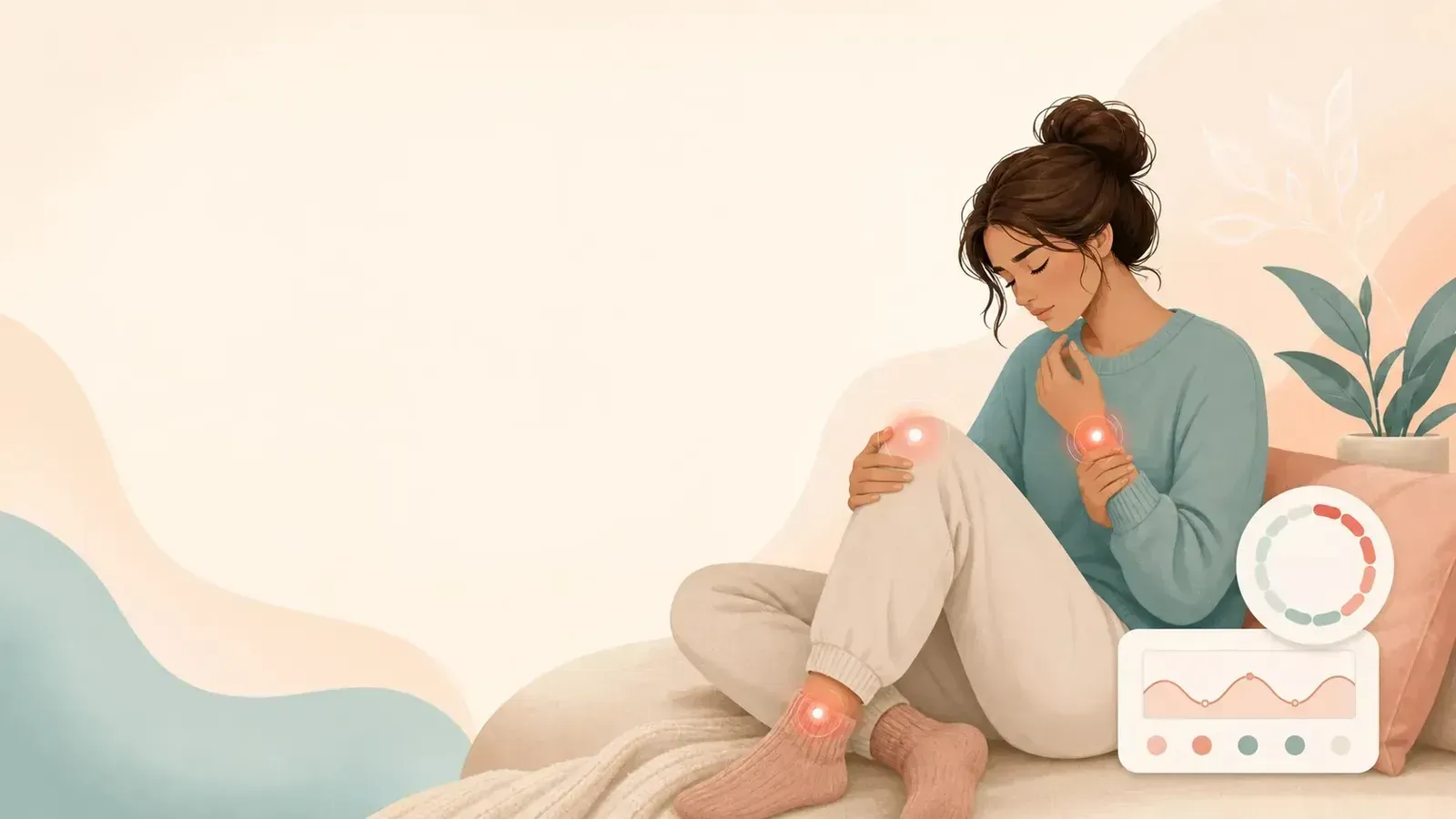
If you’ve noticed joint pain in the days before your period, you’re not alone. Many women and individuals assigned female at birth (AFAB) report heightened discomfort during this phase. So, what’s behind this phenomenon?
Why Does Joint Pain Occur Before Your Period?
The relationship between your menstrual cycle and joint pain is complex and tied to hormonal fluctuations in your body.
During the menstrual cycle, particularly in the luteal phase (the time between ovulation and the start of menstruation), levels of hormones such as estrogen and progesterone fluctuate significantly.
These hormones do more than regulate your menstrual cycle; they also influence inflammation and pain perception in your body. Estrogen, in particular, has anti-inflammatory properties, and its decline before menstruation can lead to increased inflammation in the joints, exacerbating pain levels.
For individuals with Premenstrual Dysphoric Disorder (PMDD), these symptoms can be even more pronounced. PMDD is a severe form of premenstrual syndrome that can cause debilitating emotional and physical symptoms, including heightened sensitivity to pain.
Research suggests that those with PMDD may experience a more intense response to normal hormonal changes, leading to increased joint pain during the premenstrual phase.
Community Insights on Joint Pain
Experiencing joint pain before your period can feel isolating, but many share similar experiences. Here are some thoughts from the community:
Do you experience joint pain in your period or in the premenstrual phase?
” I have always had hip and knee pain around my Period.”
“Absolutely! It’s definitely a 9 out of 10 for me. I’ve been doing physical therapy for years to manage the really tough days.”
“Definitely have an increase intensity of joint pain around my cycle, especially hips and knees. ”
“During the luteal phase, I deal with lower back pain, joint discomfort throughout my body, and persistent arthritis pain, both during workouts and at rest.”
“Yes! This is actually how I discovered I had PMDD. I collapsed from knee pain and saw multiple specialists before one of them asked about my menstrual cycle.”
These accounts highlight the commonality of joint pain linked to the menstrual cycle and PMDD, showing that you’re not alone in your struggles.
Managing Joint Pain Associated with PMDD
While it may feel like joint pain is beyond your control, there are several strategies that can help alleviate discomfort:
1. Track Your Symptoms
Keeping a detailed journal of your joint pain, including when it flares up, can help identify patterns. This information can be invaluable when discussing your symptoms with a healthcare provider.
2. Consider Hormonal Treatments
Hormonal birth control methods may help stabilize fluctuations that contribute to joint pain. Speak to your doctor about whether this option is right for you.
3. Physical Therapy
Engaging in physical therapy can help strengthen muscles around the joints, improving stability and reducing pain. A physical therapist can design a personalized program tailored to your needs.
4. Lifestyle Adjustments
Incorporating regular low-impact exercise, such as swimming or walking, can help maintain joint health. A balanced diet rich in omega-3 fatty acids and antioxidants may also help reduce inflammation.
5. Medication
Nonsteroidal anti-inflammatory drugs (NSAIDs) can provide relief for joint pain. Discuss with your healthcare provider whether these medications are appropriate for your situation.
When to Seek Professional Help
If your joint pain is severe and affecting your daily activities, it’s important to consult with a healthcare provider. They can help determine if your symptoms are related to PMDD and suggest appropriate treatment options.
Conclusion
Joint pain before your period is a common experience for many, particularly those with PMDD. Understanding the hormonal triggers behind this pain and connecting with others who experience similar symptoms can provide comfort and support.
With effective management strategies and professional guidance, you can find relief from joint pain and regain control over your well-being.