If You Are Reading This, I Want You To Know That I Have PMDD
If you're reading this, then you likely know me and care about me. So I want to share something with you: I have PMDD.
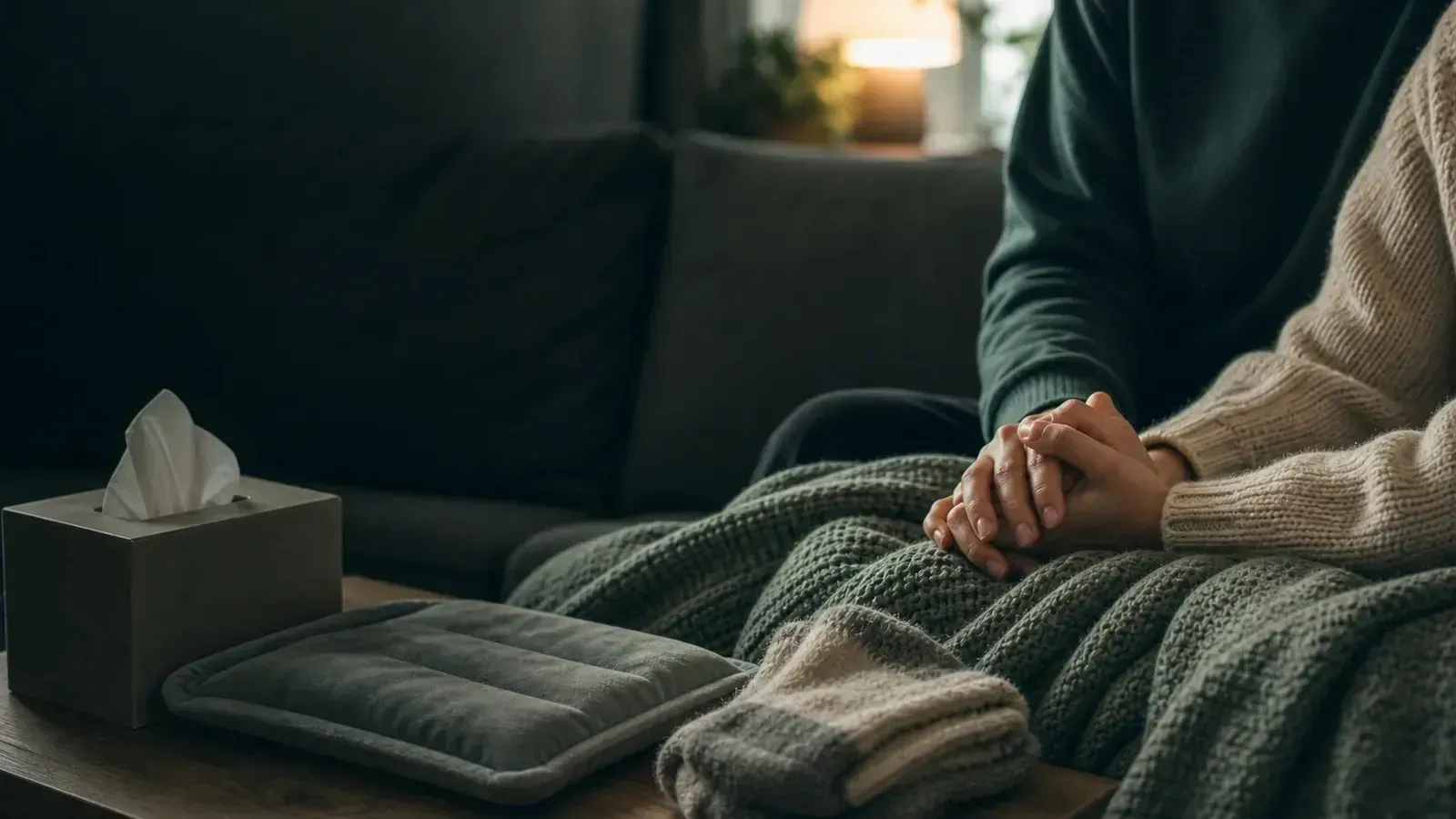
If you’re reading this, then you likely know me and care about me. So I want to share something with you: I have PMDD.
PMDD is very little known and also still little researched, but it has a huge impact on my life. As someone with PMDD, I experience periods of intense emotional and physical distress every month. So you taking the time to learn more about it, and help me get through it, means the world to me.
This condition affects many women and AFAB individuals, yet it remains relatively unknown to the general public. I am one of the many women living with PMDD, and through this blog post, I hope to shed some light on this condition in a way that is easy to understand and share.
What is PMDD?
PMDD is a severe form of Premenstrual Syndrome (PMS) that affects a woman’s emotional well-being and physical health. It starts a week or two before menstruation and ends a few days after.
This condition is not just about experiencing bad moods or feeling uncomfortable. PMDD can be debilitating, affecting daily life, relationships, and overall quality of life.
If you want to dive deeper, read here about PMDD.
My Symptoms
My personal journey with PMDD is characterized by a range of symptoms. I experience extreme mood swings, feeling suddenly sad or tearful, or feeling overly irritable or angry. Physical symptoms are also part of my PMDD experience, including bloating, breast tenderness, headaches, and joint or muscle pain.
It’s important to note that symptoms can vary greatly between people, and not everyone will experience the same ones.
Recognizing the Signs During Premenstrual Phase
During my premenstrual phase, there are several distinctive changes that occur in my behavior and physical state, which can serve as key indicators of my PMDD:
- Social Withdrawal: One of the earliest signs that I’m entering my premenstrual phase is a noticeable withdrawal from social activities. Activities and gatherings that I would usually enjoy seem overwhelming or unappealing, leading to a marked reduction in my social interactions.
- Mood Changes: Mood fluctuations are another significant sign. I may become noticeably grumpier, experiencing bouts of irritability that are out of character for my usual disposition.
- Physical Discomfort: Along with the emotional changes, there are physical symptoms too. I might experience fatigue, headaches, or other forms of physical discomfort that don’t have an apparent cause.
- Altered Sleep Patterns: My sleep patterns can also be disrupted during this phase, with either insomnia or excessive sleepiness being common.
These signs are not simply indicative of mood swings or a bad day. They are characteristic symptoms of my PMDD. Understanding and recognizing these signs can make a world of difference, not just for me, but for anyone experiencing these symptoms.
It’s about acknowledging that these experiences are more than just typical premenstrual symptoms – they are part of a more serious condition that requires understanding, awareness, and support.
What is important to understand that PMDD is different for everyone and can also vary in different cycles. So, the best, is to ask me about it.
How to support me during my PMDD
During these times, your understanding, patience, and support can make a world of difference. Here’s how you can help:
- Be patient: My emotions may fluctuate wildly, and I may not always be able to control my reactions. Please know that this is not a reflection of my feelings towards you, but a symptom of my condition. Your patience means more than you know.
- Listen: Sometimes, what I need most is just someone to vent to. Someone who will listen without judging. Let me share my experiences and feelings with you.
- Learn: Educate yourself about PMDD to better understand what I am going through. The more you know about the condition, the more empathetic and supportive you can be.
Thank You!
PMDD is a medical condition that significantly impacts my life. Your understanding, empathy, and support can make a huge difference to my wellbeing. Thank you for being there for me!