Does Alcohol Increase Heart Rate While Sleeping?
Alcohol increases heart rate while sleeping via adrenaline and dehydration. Learn how to reduce these palpitations and when to seek help
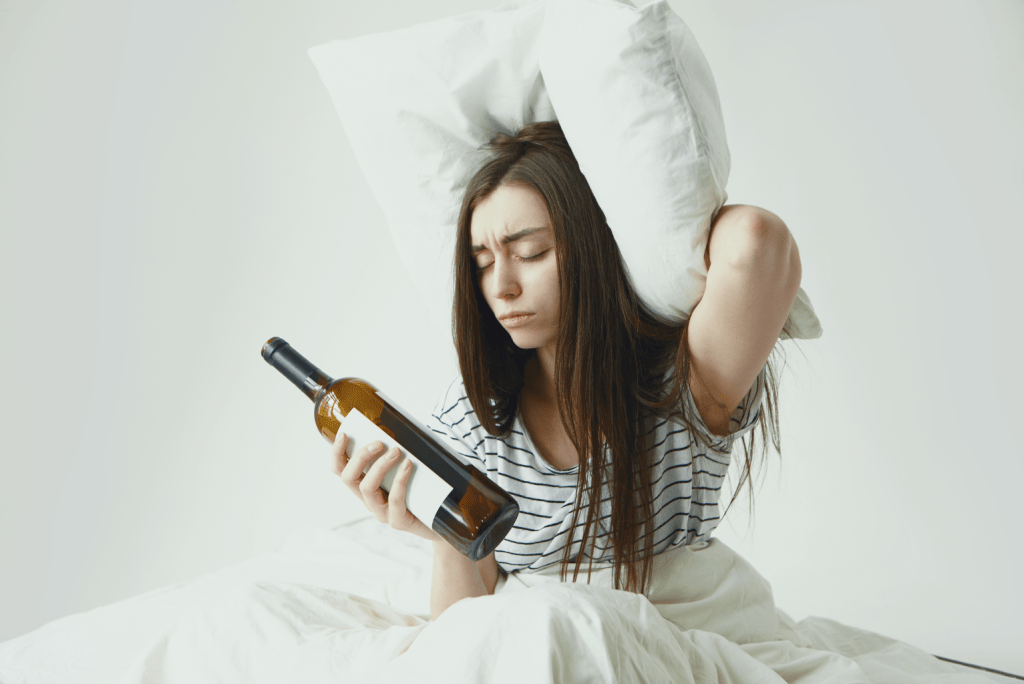
Does alcohol increase heart rate while sleeping? Many people experience waking up with a fast heartbeat after drinking alcohol, but is this just a nuisance or something more concerning? Here’s what science says about alcohol’s effects on your nighttime heart rate and sleep quality.
You might find this interesting: Can Alcohol Affect Your Period?
How Alcohol Affects Your Heart Rate During Sleep
While alcohol may help you fall asleep faster, it disrupts your sleep cycle and cardiovascular system in ways that can cause nighttime heart racing:
1. Alcohol Triggers a Stress Response
-
Increases adrenaline and cortisol production
-
Causes 5-10 bpm heart rate elevation even during sleep
-
Leads to “holiday heart syndrome” (irregular rhythms after drinking)
2. Disrupts Normal Sleep Architecture
-
Reduces restorative deep sleep
-
Increases wakefulness during second half of night
-
Creates rebound tachycardia (fast heartbeat upon waking)
3. Dehydration & Blood Pressure Swings
-
Alcohol is a diuretic, reducing blood volume
-
Causes post-drinking blood pressure drops
-
Forces heart to pump faster to compensate
When to Worry About Waking Up With Heart Racing
Waking up with a fast heartbeat can be unsettling. While occasional episodes—especially after drinking alcohol—are fairly common, certain symptoms may indicate a more serious issue that requires medical attention.
-
Heart rate over 100 bpm while lying down: A consistently elevated heart rate during rest may signal an underlying condition, such as anxiety, dehydration, or a heart rhythm disorder.
-
Irregular rhythms (skipped beats or fluttering): If your heart feels like it’s skipping beats, fluttering, or beating erratically, it could be a sign of arrhythmia and should be evaluated by a doctor.
-
Chest pain or shortness of breath: These symptoms are never normal and may indicate a cardiovascular emergency, such as a heart attack or other serious condition.
-
Episodes lasting longer than 30 minutes: If your racing heart doesn’t subside within half an hour, it’s important to seek medical advice to rule out any potentially dangerous causes.
If you’re experiencing these symptoms regularly or they’re getting worse, don’t ignore them—talk to your healthcare provider to determine the cause and get appropriate care.
How to Prevent Alcohol-Related Nighttime Heart Palpitations
If you choose to drink, these strategies help minimize cardiac disturbances:
• Stop alcohol 3+ hours before bed (allows metabolism)
• Hydrate with electrolytes (replenishes minerals)
• Maintain cool bedroom temperature (reduces stress on heart)
• Avoid mixing with caffeine (doubles stimulant effect)
For chronic nighttime heart racing, consider:
-
Cutting back on alcohol entirely
-
Getting a sleep study to rule out apnea
-
Checking for underlying arrhythmias
Normal vs. Alcohol-Affected Sleeping Heart Rates
| Condition | Typical Heart Rate Range |
|---|---|
| Healthy Sleep | 60-100 bpm (dips to 40-50 in deep sleep) |
| After Alcohol | 70-110 bpm (less nighttime dipping) |
| Tachycardia Episode | 100+ bpm with palpitations |
How Tracking Can Help?
Tracking your symptoms regularly helps you spot patterns and catch potential issues early. You can do this with a journal or a tracking app, like the Belle app. It allows you to log a wide range of physical and emotional symptoms—or even create your own—and generates a report you can easily share with your healthcare provider.
The Bottom Line
Yes, alcohol significantly increases heart rate during sleep by disrupting nervous system balance and sleep cycles. While occasional waking up with a racing heart may be harmless, frequent episodes warrant medical evaluation—especially if accompanied by dizziness or chest discomfort.
What Your Nightly Heart-Rate Trends Can — and Can’t — Tell You
One restless night after drinking doesn’t mean something is wrong with your heart. A single elevated reading is just one data point. What’s more useful is the pattern over time: how often your resting heart rate stays high overnight, how far your heart rate variability (HRV) drops on nights you drink, and how long your body takes to settle back to baseline.
A smart ring like the Belle Ring passively tracks trends in resting heart rate, HRV, skin temperature, sleep stages and SpO2 overnight, so you can see how alcohol, late meals, stress or caffeine line up with rougher nights. Belle Ring is built to help you notice patterns, not diagnose conditions — it does not detect arrhythmias, sleep apnea or any medical condition. If your readings or symptoms worry you, that’s a conversation for your clinician, who can interpret the full picture.
Comparing alcohol-free nights with nights you drink usually makes the difference visible within two to four weeks. For context on how nightly readings shift with age and cycle, see our guides to sleeping heart rate by age and heart rate across the menstrual cycle, plus how recovery shows up in HRV for women.
FAQs About Does Alcohol Increase Heart Rate While Sleeping?
Why does alcohol make my heart race at night?
Alcohol triggers adrenaline, disrupts sleep cycles, and dehydrates – all increasing heart workload.
How long does alcohol affect nighttime HR?
4-6 hours typically; longer with heavy drinking.
Can drinking cause dangerous rhythms?
Yes, including AFib (“holiday heart syndrome”).
Can a smart ring tell me if alcohol is affecting my sleep?
A smart ring can show trends in your resting heart rate, HRV and sleep quality on nights you drink versus nights you don’t, which helps you spot patterns over time. It tracks signals rather than diagnosing—check with a clinician about any heart or sleep symptoms that concern you.
Related Belle Health Resources
- Belle Ring — the women-first smart ring
- Sleeping heart rate by age
- Heart rate and your menstrual cycle
- HRV for women
- Sleep and insomnia before your period
- How Belle protects your data
This article is for general education and is not medical advice. Belle Ring tracks trends in signals such as sleep, skin temperature, resting heart rate, HRV, SpO2 and stress — it does not diagnose, treat or prevent any condition, including heart-rhythm or sleep disorders. If you have a persistently racing heart, chest pain, fainting or other concerning symptoms, please contact a qualified clinician.