Workouts for luteal phase
Discover the best workouts for the luteal phase. Learn how to optimize your fitness routine with exercises for this cycle phase.
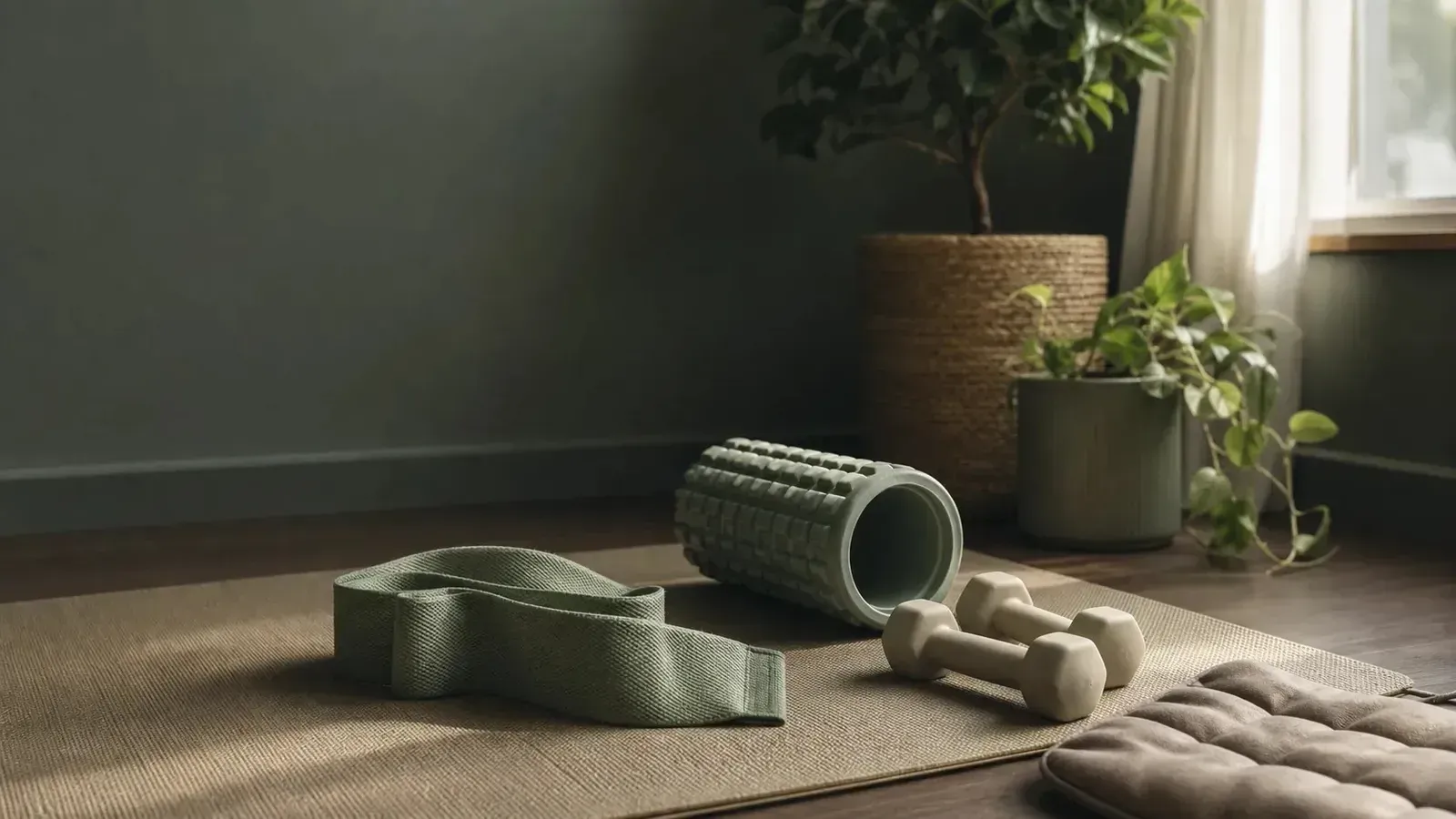
During the luteal phase of your menstrual cycle, your body experiences hormonal shifts that can impact energy levels and physical performance. Adjusting your workouts for the luteal phase allows you to align your fitness routine with these changes, ensuring you stay active while supporting recovery and balance.
During this time, progesterone levels rise while estrogen declines, which can lead to changes in mood, energy, and even physical sensations like bloating or fatigue. These hormonal fluctuations may make it harder to stick to high-intensity workouts, especially as your body becomes more attuned to rest and recovery. Recognizing this shift is essential for optimizing your fitness effort, use this as a opportunity to listen to your body and adapt your exercise plan for optimal results.
How to Workout in the Luteal Phase
Adjusting your fitness routine for the luteal phase involves choosing activities that match your body’s natural rhythms. Energy levels are often lower during this phase, so workouts that prioritize moderate intensity, flexibility, and mindfulness are ideal. You don’t have to give up exercise altogether; instead, think of this phase as an opportunity to nurture your body through movement while supporting recovery.
If you’ve ever questioned whether working out on your period or during the luteal phase is beneficial, rest assured that exercising during these times has its perks. It can reduce PMS symptoms, improve mood, and help regulate energy levels. However, the key is listening to your body. Some days, you might feel ready to tackle a strength session; other days, a restorative yoga class might be the better choice. This flexibility ensures that you don’t push yourself to exhaustion, which can lead to burnout or increased stress.
Best Workouts for the Luteal Phase
Strength Training:
- Light to moderate weights (e.g., dumbbell deadlifts, shoulder presses);
- Bodyweight exercises like push-ups, squats, and lunges;
- Resistance band routines focusing on glutes, arms, and back.
Choosing the best workouts for the luteal phase means focusing on exercises that align with your hormonal state. Strength training is excellent during this time but should be approached with moderate intensity. Instead of heavy lifting or high-volume sets, focus on lighter weights with more controlled movements. This not only prevents overexertion but also helps with muscle recovery, which may take longer due to hormonal changes.
Yoga and Pilates:
- Restorative yoga poses (child’s pose, reclined butterfly, or legs-up-the-wall);
- Gentle vinyasa flows to improve circulation;
- Core-strengthening Pilates exercises like the hundred or leg stretches.
Another great option during the luteal phase is yoga or Pilates. These practices emphasize flexibility, balance, and mindfulness—three components that are particularly beneficial as progesterone rises. Yoga poses that target the lower back and hips can help alleviate any tension or bloating, while the calming nature of Pilates can reduce stress.
Light Cardio:
- Brisk walking in nature or on a treadmill;
- Relaxed cycling for endurance without strain;
- Swimming or water aerobics for a low-impact, refreshing workout.
Low-Impact HIIT:
- Alternating step-ups on a sturdy platform;
- Bodyweight circuits with exercises like slow mountain climbers, jump-free burpees, or; modified planks;
- Short bursts of low-impact exercises like side lunges or chair squats.
Light cardio exercises, such as walking, swimming, or cycling, are also ideal. These activities keep your body moving without taxing your energy reserves. If you enjoy higher-intensity workouts, consider reducing the volume or impact. For example, instead of a high-impact HIIT session, opt for a low-impact version that allows you to maintain intensity without putting undue stress on your body.
Mindful Movement Practices:
- Tai Chi for balance and focus;
- Barre-style workouts combining flexibility and light strength;
- Guided stretching or mobility work sessions.
These options allow for flexibility, enabling you to pick activities that align with how your body feels each day. Whether you want to maintain strength, recover, or stay active, these exercises ensure you’re working out in harmony with your body during the luteal phase.
Why Adapt Workouts to Your Menstrual Cycle
Understanding how your menstrual cycle energy levels change throughout the month can revolutionize your approach to fitness. By adapting your workouts for the luteal phase, you’re not only supporting your body but also preventing injury, optimizing recovery, and maintaining consistency in your fitness routine. This cyclical approach ensures you’re working with your body rather than against it.
For those wondering how to workout in the luteal phase, it’s about finding a balance between activity and recovery. Restorative activities like stretching or yoga can help reduce inflammation and ease muscle tension. Additionally, prioritizing hydration and proper nutrition can improve energy levels and overall performance. Think of this phase as a time to nurture your body rather than pushing it to its limits.
But remember rest days are also important during this phase. Your body is working hard behind the scenes to prepare for your next cycle, and taking time to rest can be just as productive as a workout. When you honor your need for rest, you’re setting yourself up for better performance in the long term.
Final Thoughts
By aligning your workouts with your menstrual cycle, particularly the luteal phase, you can create a fitness routine that is both sustainable and effective. The best workouts for the luteal phase are those that balance movement with recovery, allowing you to stay active while honoring your body’s needs. Whether it’s light cardio, yoga, or moderate strength training, the goal is to move in a way that feels good and supports your overall well-being.
Listening to your body is key. On days when your energy is high, take advantage of it with a strength session. On days when fatigue sets in, opt for restorative yoga or a gentle walk. By understanding and respecting your body’s natural rhythms, you can not only improve your fitness but also enhance your overall quality of life.