Mood Changes with Ovulation
Explore mood changes with ovulation, why they happen, common symptoms, and tips to manage emotional shifts effectively.
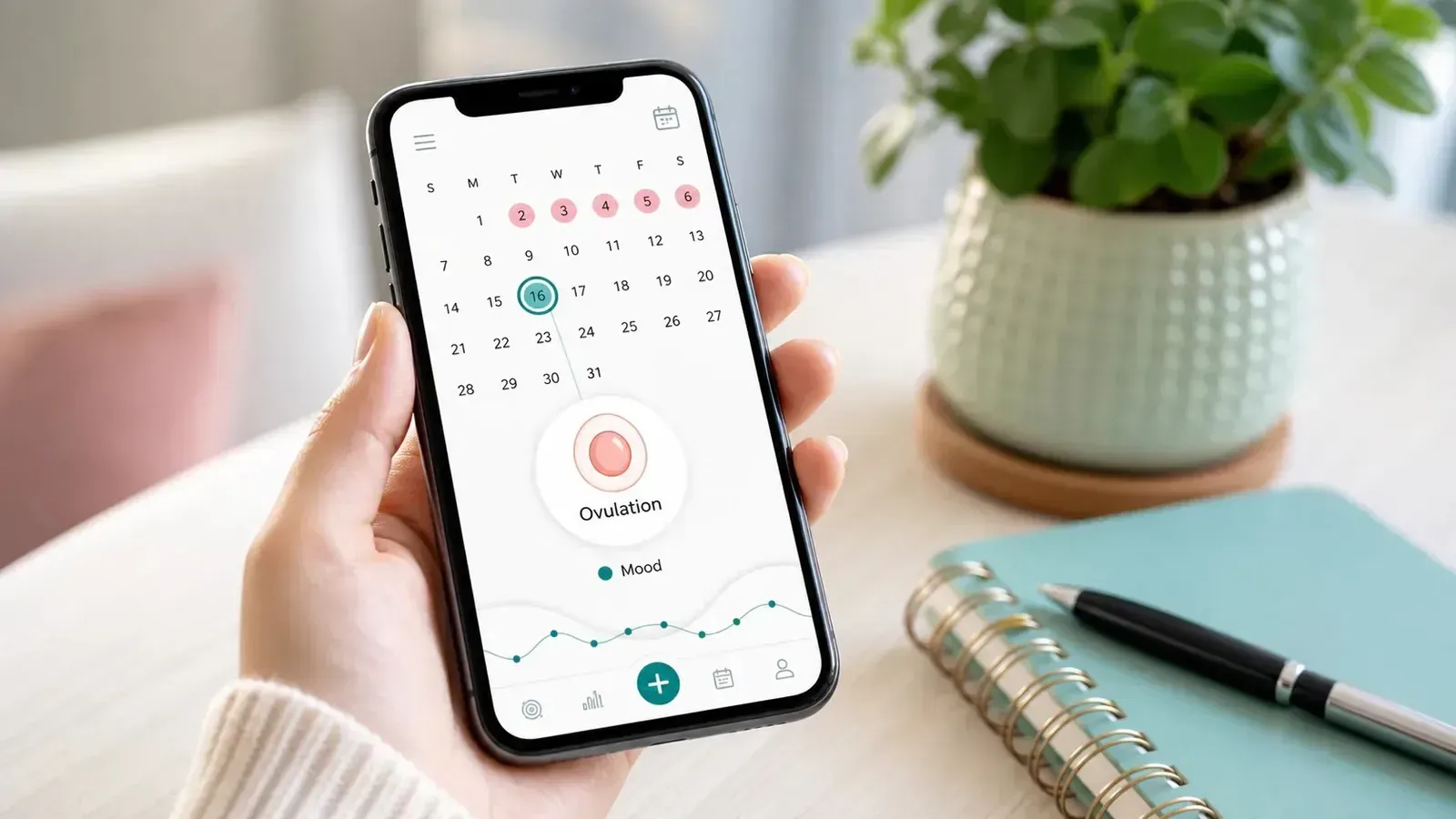
Ovulation is a critical phase of the menstrual cycle, marked by hormonal fluctuations that prepare the body for potential pregnancy. These hormonal changes don’t just affect fertility; they also play a significant role in emotional well-being, leading to noticeable mood changes with ovulation. Understanding these shifts can help you navigate the emotional highs and lows that often accompany this phase, empowering you to manage both your physical and mental health effectively.
How Hormones Influence Emotional and Physical Changes
During ovulation, your body undergoes significant hormonal shifts, primarily involving estrogen, luteinizing hormone (LH), and progesterone. These hormones regulate not only the release of an egg but also affect neurotransmitters like serotonin, which are crucial for mood regulation. Estrogen, which peaks just before ovulation, is known to elevate mood, boost confidence, and increase energy levels. However, the subsequent drop in estrogen, combined with rising progesterone levels, can result in mood swings, fatigue, and emotional sensitivity.
If you’ve ever wondered, “Does ovulation make you emotional?”, the answer lies in this delicate hormonal balance. Emotional responses can vary widely among women, ranging from feelings of optimism and motivation to irritability and sadness. Recognizing these patterns can help you anticipate and manage these shifts.
Physical Signs That Accompany Mood Changes
The hormonal fluctuations that drive ovulation don’t just impact mood; they also produce various physical symptoms. For instance, many women notice changes in cervical mucus, which becomes clear and slippery to facilitate sperm movement. A slight increase in basal body temperature, mild cramping , and bloating are also common.
Some women report nausea during ovulation, likely caused by hormonal changes or mild irritation from the egg’s release. Additionally, ovulation hunger may occur as the body adjusts to rising energy demands, although some experience appetite suppression due to estrogen’s appetite-regulating effects.
Fatigue is another common symptom, leaving many to ask, “Does ovulation make you tired?” The answer is yes, for some women. Hormonal changes and the energy expended during ovulation can lead to feelings of tiredness, particularly as progesterone begins to rise.
Physical Symptoms of Ovulation
During ovulation, hormonal fluctuations don’t just impact mood but also lead to various physical changes. Here’s a breakdown:
| Symptom | Cause | Details |
|---|---|---|
| Cervical Mucus Changes | Rising estrogen levels | Mucus becomes clear, slippery, and stretchy, resembling raw egg whites, to facilitate sperm movement. |
| Basal Body Temperature | Hormonal shifts after ovulation | Slight increase (0.5–1°F), signaling that ovulation has occurred. |
| Mild Cramping | Follicle rupture during egg release | Felt on one side of the lower abdomen (mittelschmerz) and typically lasts a few hours. |
| Bloating | Increased estrogen and fluid retention | Causes temporary fullness or swelling, often resolving after ovulation. |
| Nausea | Hormonal fluctuations or irritation from the egg’s release | Some women experience mild nausea during ovulation. |
| Ovulation Hunger | Rising energy demands during ovulation or appetite suppression from estrogen’s effects | May result in increased appetite or, for some, decreased hunger due to estrogen’s regulation. |
| Fatigue | Energy expended during ovulation and rising progesterone | Can leave women feeling more tired, especially as progesterone increases after ovulation. |
If you want to understand more about your cycle and at what point you are, you might find Cycle Tracking and Its Health Benefits helpful!
Mood Changes with Ovulation and How to Cope
The emotional shifts that occur during ovulation can include irritability, sadness, heightened sensitivity, or even bursts of confidence and motivation. These changes are driven by hormonal fluctuations, particularly in estrogen, luteinizing hormone (LH), and progesterone. While natural, these shifts can sometimes feel overwhelming, especially if they disrupt daily life, productivity, or relationships.
Understanding these emotional changes and implementing strategies to manage them can help you maintain balance and navigate this phase of your cycle more effectively. Here are some helpful approaches:
1. Practice Self-Care
Self-care is essential for managing stress and emotional sensitivity during ovulation. Dedicating time to activities that calm and rejuvenate you can make a significant difference.
- Relaxation Techniques: Yoga, meditation, and deep breathing exercises can help reduce stress and restore a sense of calm.
- Journaling: Writing down thoughts and feelings can help process emotions and identify patterns.
- Pampering: Treat yourself to a warm bath, a favorite hobby, or time outdoors to boost your mood.
Small, intentional acts of self-care can ground you during emotionally challenging moments.
2. Stay Active
Exercise is a natural way to stabilize your mood. Physical activity stimulates endorphin release, which can counteract irritability or sadness.
- Aerobic Activities: Walking, jogging, or cycling can improve mood and reduce stress.
- Strength Training or Yoga: These forms of exercise enhance both physical and mental well-being.
- Do What You Love: Pick activities you genuinely enjoy to make exercise sustainable.
Even a short 20-minute workout can uplift your mood and increase resilience.
3. Focus on Nutrition
A balanced diet can support hormonal stability, reducing emotional fluctuations. Key nutrients to include:
- Omega-3 Fatty Acids: Found in salmon, walnuts, and flaxseeds, these support brain health and mood.
- Magnesium: Present in spinach, almonds, and dark chocolate, magnesium helps calm the nervous system.
- B Vitamins: Found in eggs, leafy greens, and whole grains, these are crucial for energy and emotional stability.
Additionally, limit sugar and caffeine, as they can cause energy crashes that amplify mood swings. Staying hydrated is also vital to avoid fatigue and irritability.
4. Get Adequate Rest
Fatigue is a common symptom during ovulation due to hormonal shifts. Prioritizing rest can help you recharge and maintain emotional stability.
- Establish Sleep Hygiene: Create a calming bedtime routine by reducing screen time and ensuring a comfortable sleep environment.
- Take Short Naps: A 20-30 minute nap can restore energy without disrupting your nightly sleep.
- Simplify Evenings: Avoid overloading yourself with tasks—slow down and give your body the rest it needs.
By addressing fatigue, you can prevent burnout and maintain a steady mood.
5. Track Your Cycle
Tracking your cycle can help you understand and prepare for emotional and physical changes.
- Use Apps or Journals: Log symptoms like irritability, sadness, or energy levels to identify patterns.
- Monitor Triggers: Stress, diet, or poor sleep can amplify mood changes, so take note of external factors.
- Plan Ahead: Reserve low-stress activities for phases when emotional shifts are more likely and schedule important tasks for when you feel your best.
Cycle tracking gives you greater awareness and control, allowing you to better manage emotional changes.
When to Seek Professional Advice
While mood changes during ovulation are common, it’s important to recognize when they become problematic. If you experience severe emotional shifts, persistent fatigue, or physical symptoms like nausea or pain that interfere with your daily life, consult a healthcare provider. They can evaluate your symptoms and recommend interventions, such as hormonal therapy or lifestyle adjustments, to help you feel better.
Conclusion
Ovulation is more than just a phase of the menstrual cycle—it’s a time when your body undergoes significant hormonal changes that can affect both physical and emotional well-being. Recognizing mood changes with ovulation, understanding their causes, and adopting strategies to manage them can empower you to take better control of your health.
Whether you’re tracking ovulation for fertility or simply seeking to balance your emotions, paying attention to these shifts can lead to greater self-awareness and improved well-being. If symptoms become overwhelming, don’t hesitate to seek guidance from a healthcare professional.