


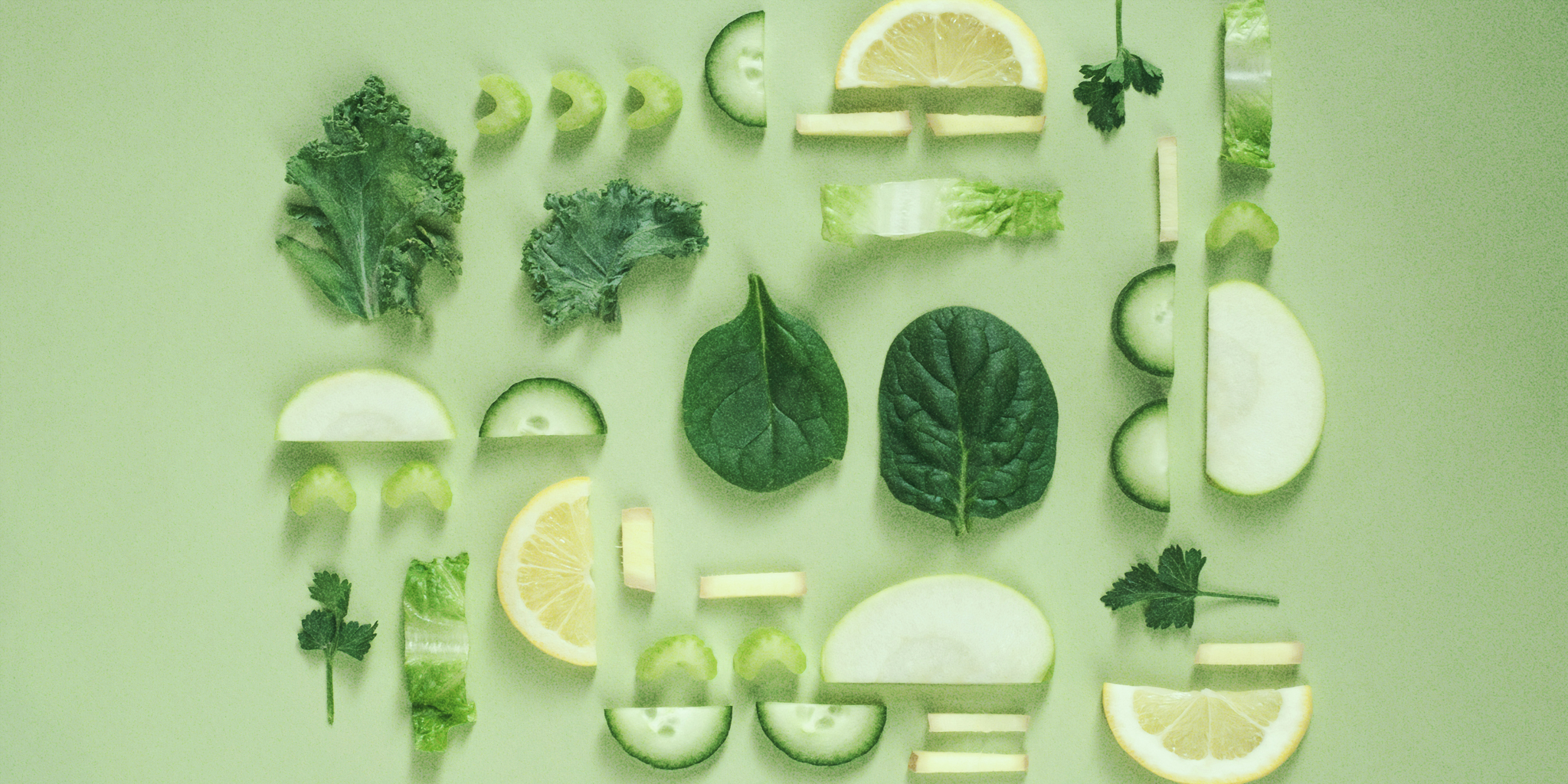

Proper diet plays a pivotal role in the management of Premenstrual Dysphoric Disorder (PMDD). Given that PMDD involves severe physical and emotional symptoms, dietary choices can significantly influence the severity and management of these symptoms. A balanced and thoughtful approach to nutrition can offer a complementary strategy to conventional treatments for PMDD.
1. The Connection Between Diet and PMDD
Nutrition impacts hormonal balance, brain chemistry, and overall physical health, all of which are closely linked to PMDD symptoms. Diet appears to be a crucial factor for the development of premenstrual disorders and for modulating the symptoms related to them. Certain nutrients can help mitigate mood swings, reduce physical discomfort, and improve general well-being.
A diet based on fresh, whole foods while minimizing simple carbohydrates, fats, salt, and alcohol might help prevent PMS and lessen its symptom severity.


Your body gives signals—this ring helps you decode them
2. Essential Nutrients for PMDD Management
- Complex Carbohydrates: Foods rich in complex carbohydrates, like whole grains and legumes, can help regulate blood sugar levels and improve mood stability.
- Calcium and Magnesium: These minerals, found in dairy products, leafy greens, and nuts, have been shown to alleviate some symptoms of PMDD, such as mood swings and physical discomfort.
- B Vitamins: There is some research on particularly the vitamin B6, found in poultry, fish, and fortified cereals, that indicates they might be helpful reducing premenstrual symptoms.
- Omega-3 Fatty Acids: Found in fatty fish, flaxseeds, and walnuts, omega-3s may help reduce the severity of premenstrual symptoms, though current research is not yet conclusive.
Never self-prescribe supplements. Always consult a doctor before taking any, as they can be harmful. Incorrect dosage or use without proper medical guidance can seriously damage your health.
3. Foods to Limit or Avoid
Certain foods and substances can exacerbate PMDD symptoms, including:
- Caffeine: Even though caffeine may increase anxiety and irritability, no consensus has been reached between with PMS or PMDD in the scientific literature, and it is likely that there is no relationship with premenstrual symptoms.
- Alcohol: Can raise the risk by disrupting the balance of sex hormones and gonadotropins throughout the menstrual cycle.
- High-Sugar Foods: Can lead to blood sugar spikes and crashes, affecting mood.
- Processed Foods: Often high in salt, sugar, and unhealthy fats, which can worsen physical symptoms.
4. The Importance of Hydration
Hydration is a foundational yet often overlooked aspect of managing PMDD symptoms. Adequate water intake helps maintain cellular function, supports circulation, and facilitates the elimination of waste products. For individuals with PMDD, staying hydrated may help mitigate common symptoms such as headaches, bloating, pain intensity and fatigue, which are often intensified by dehydration. Drinking enough water throughout the day can also reduce fluid retention, easing discomfort associated with swelling or tenderness in the abdomen and extremities.
In addition to water, consuming hydrating foods like cucumbers, watermelon, and oranges can contribute to overall fluid balance. Herbal teas may provide a calming effect, supporting both hydration and relaxation. Conversely, beverages like sugary sodas, energy drinks, and alcohol can lead to dehydration and exacerbate symptoms such as mood swings and physical tension. Maintaining proper hydration not only enhances physical comfort but also supports emotional resilience, making it an essential element of a holistic approach to PMDD management.
5. Dietary Strategies
Adopting a strategic diet for PMDD can provide a meaningful way to manage PMDD symptoms. Emphasizing whole, nutrient-dense foods such as fresh fruits, vegetables, lean proteins, and healthy fats can support hormonal balance and stabilize mood. Complex carbohydrates like quinoa, oats, and brown rice play an essential role in regulating blood sugar levels, which can help reduce irritability and fatigue.
Balanced meals also combat cravings often experienced by individuals with PMDD, which tend to favor sugary, salty, or fatty foods. This is even more important given the fact that women that suffer from PMDD are even more prone to late-luteal cravings for highly sweet or highly salty and fatty foods. These cravings, if indulged excessively, may worsen physical and emotional symptoms. A consistent eating schedule, with smaller, frequent meals, can help avoid blood sugar crashes and promote mood stability throughout the day.
Equally important is minimizing the intake of foods that may aggravate PMDD. Processed and high-sugar foods, for example, can disrupt energy levels and mood. Reducing salt intake may help manage bloating and water retention, while cutting back on alcohol can reduce the risk of hormonal imbalances that exacerbate symptoms. Caffeine, although enjoyed by many, may contribute to heightened anxiety or sleep disturbances, which can compound emotional difficulties during PMDD episodes. These tailored strategies create a supportive dietary framework that aligns with overall PMDD management goals.
6. Consulting with a Healthcare Professional
Before making significant dietary changes, it’s advisable to consult with a healthcare professional, such as a dietitian, who can provide personalized advice based on individual health needs and symptoms.

Your body is your home. Embrace and reclaim the power to own it.


Conclusion: PMDD & Diet
Nutrition is a key component in managing PMDD symptoms. Adopting dietary practices that prioritize nutrient-dense, whole foods while minimizing processed and aggravating substances supports hormonal balance and helps ease symptom severity. Combined with adequate hydration, this approach provides a strong foundation for improved physical and emotional well-being. Together, these practices create a holistic plan to reduce the impact of PMDD on daily life.